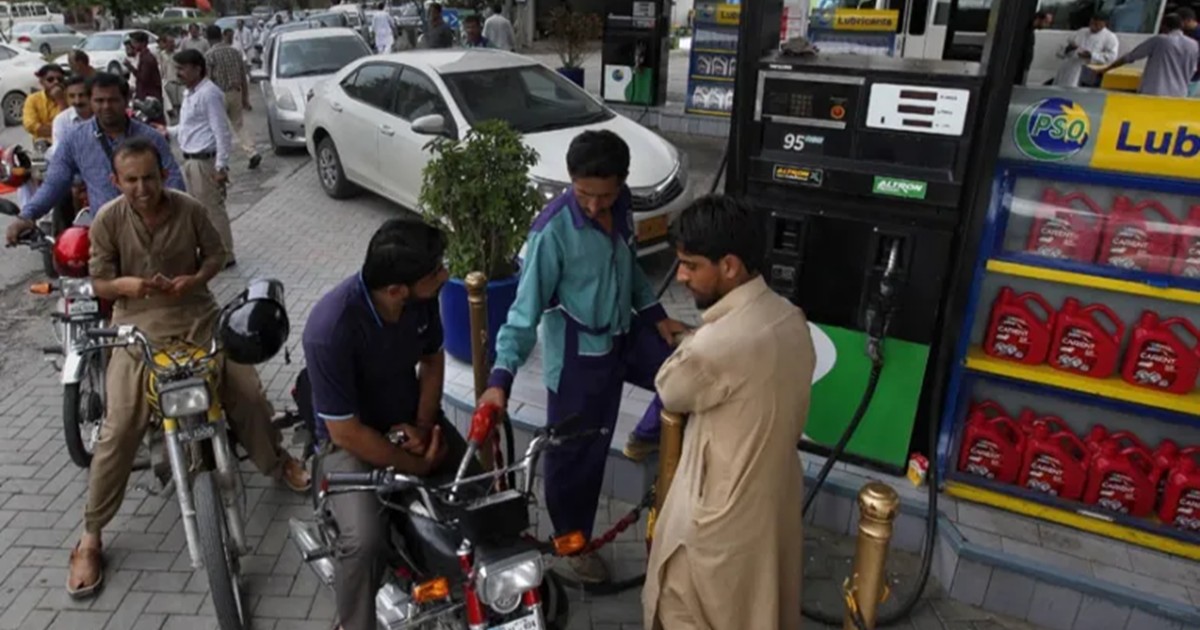
The government of Pakistan reduced domestic petrol and diesel prices on Saturday to align with fluctuations in the global energy market, the Ministry of Energy Petroleum Division confirmed in an official notification issued in Islamabad. The newly adjusted consumer rates took effect across the country on Saturday, June 13, according to the Pakistani news outlet Dawn. This fiscal intervention is expected to offer immediate financial relief to citizens, the agricultural sector, and commercial transport industries currently struggling under severe inflationary pressures. According to state officials, the pricing adjustments were calculated based on the ongoing stabilization of the macroeconomy and recent shifts in international crude oil valuations.
Under the updated tariff structure, the price of petrol was slashed by 4 rupees per liter, establishing a new consumer rate of 373.78 rupees per liter. Simultaneously, the authorities decreased the price of High-Speed Diesel by 2 rupees per liter, bringing its market value down to 378.78 rupees per liter. Conversely, the petroleum division increased the price of kerosene oil by 1.49 rupees per liter, setting the new baseline rate at 280.70 rupees per liter. This upward revision for kerosene has raised concerns among social commentators regarding the potential financial burden it may impose on low-income households in rural areas who rely heavily on it for domestic cooking.
The regulatory notification marks the fifth consecutive time that the Pakistani administration has lowered petrol prices over the past few months, according to reports by Dawn. This series of consecutive reductions has accumulated a total relief of 41 rupees per liter for consumers nationwide. In the preceding pricing cycle, the government chose to leave the tariff for High-Speed Diesel unchanged while executing an isolated 4-rupee reduction per liter for petrol. Because Pakistan relies heavily on imported refined and unrefined petroleum products to sustain its domestic infrastructure, international market variations directly dictate internal commodity pricing and fiscal health.
The broader geopolitical landscape reveals that global fuel supplies faced severe constraints starting February 28 when Iran effectively closed the Strait of Hormuz amid ongoing military conflicts involving the United States and Israel. Given that approximately 20 percent of global oil shipments pass through this specific maritime route, the blockade caused a sharp contraction in international supply and triggered an exponential rise in global crude oil prices. This surge placed an immense burden on import-dependent economies like Pakistan until prospects of a peace framework between Washington and Tehran recently sparked a market correction. What remains unclear is whether this downward trend in international oil prices will remain sustainable if regional geopolitical tensions persist without a formal diplomatic resolution. For now, Pakistani consumers are benefiting directly from this international diplomatic development.