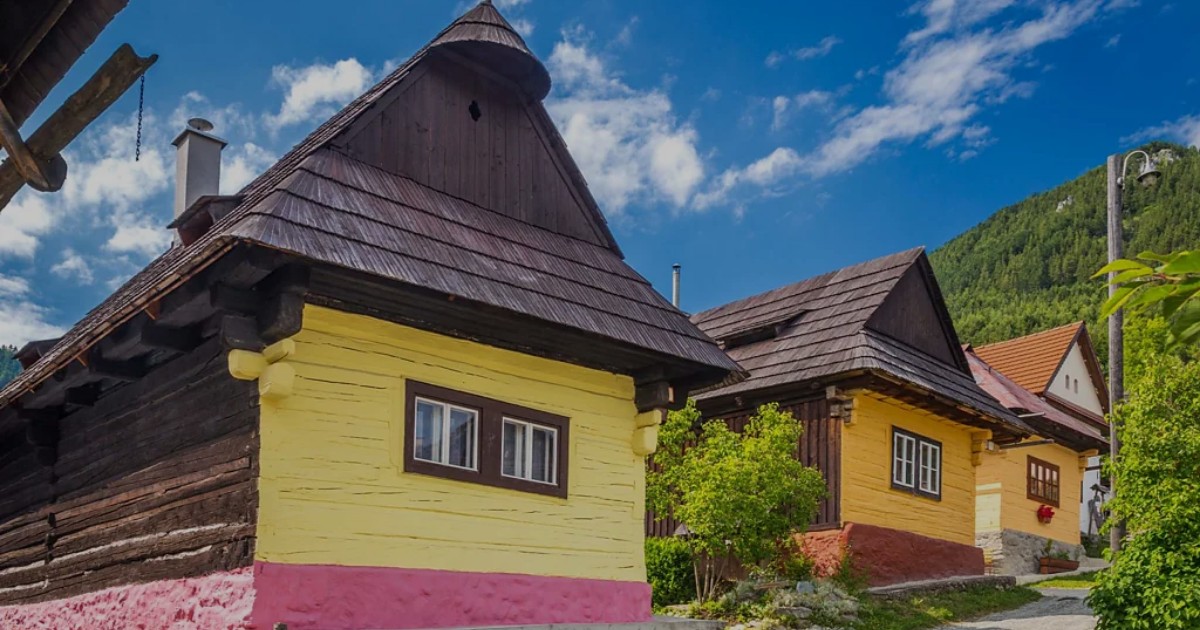
Local communities in Slovakia and Tanzania demanded the removal of their historic sites from the UNESCO World Heritage List on Saturday due to severe overtourism and land displacement, according to BBC News and Reuters. While this prestigious designation traditionally boosts international recognition and tourism funding, several lesser-known landmarks are experiencing significant operational strain. Residents in these locations argue that international preservation policies often conflict directly with the socioeconomic needs of living populations. Consequently, grass-roots organizations are actively petitioning to strip their ancestral homes of the global status to restore civic normalcy.
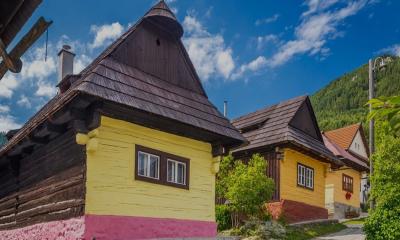
In the central mountains of Slovakia, the medieval village of Vlkolinec serves as a primary example of this growing global friction. Inscribed on the World Heritage List in 1993 for its distinct folk architecture, the village contains 45 traditional wooden cottages inhabited by just 25 full-time residents. Since obtaining the designation, the tiny settlement has attracted over 100,000 annual visitors, overwhelming the local infrastructure and degrading residential privacy. Similarly, the Maasai International Solidarity Alliance in Tanzania has called for the immediate delisting of the Ngorongoro Conservation Area. Indigenous leaders assert that conservation mandates tied to the international status have resulted in the forced eviction of pastoralists from their ancestral grazing lands.
The expansive World Heritage List currently features 1,248 cultural and natural sites distributed across 170 sovereign nations. Historically, the United Nations program successfully unlocked crucial preservation resources for endangered landmarks, such as the Belize Barrier Reef and Cambodia`s Angkor Wat. However, the modern explosion of social media has turned these protected zones into highly commercialized tourism hotspots. Venice, Italy, which joined the registry in 1987, has suffered severe demographic decline as uncontrollable tourist crowds displace local inhabitants. Similar commercial pressures have transformed the historic medina of Marrakesh in Morocco and the indigenous Old Town of Lijiang in China into gentrified commercial centers.
Cultural researchers define this destructive socioeconomic transformation as museumification, where active residential neighborhoods are gradually converted into open-air exhibitions for foreign travelers. What remains unclear is how international preservation bodies will update their global frameworks to balance architectural conservation with the human rights of resident populations. Tourism experts emphasize that without strict visitation caps, the global designation will continue to accelerate gentrification and housing shortages. This structural debate highlights an urgent need for multilateral organizations to prioritize the welfare of local citizens over abstract preservation ideals.