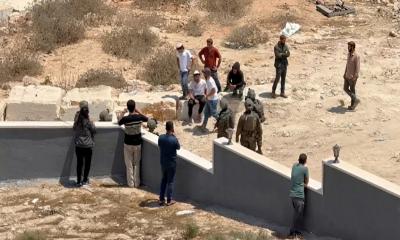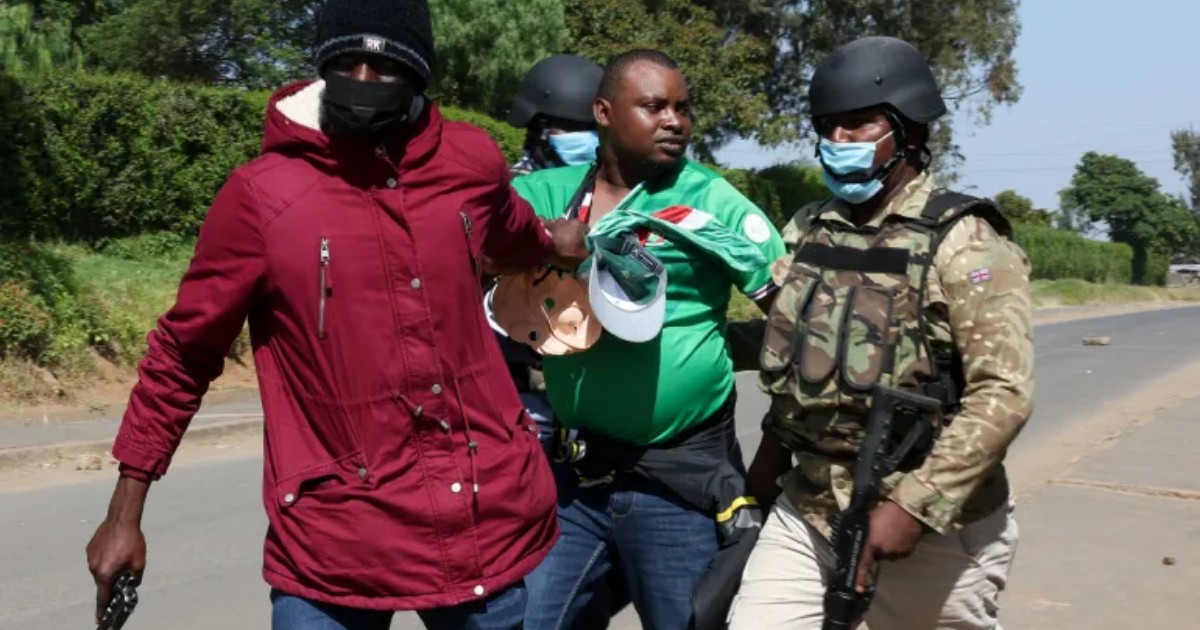
Kenyan police have used tear gas to disperse demonstrators in the town of Nanyuki, as protests intensify over the construction of a US-backed Ebola quarantine center. The United States is pressing ahead with the project at the Laikipia airbase, despite a standing Kenyan court order that explicitly prohibits further construction work. The facility, which is intended to accommodate American citizens exposed to the Ebola virus in the Democratic Republic of the Congo and Uganda, has become a flashpoint for local anger.
Residents of Nanyuki view the center as a health threat, accusing Washington of offloading the dangers of a deadly viral outbreak onto the Kenyan population. Tensions have remained high since last week, when violent clashes resulted in at least two deaths and one injury. Satellite imagery has confirmed the installation of dozens of tents on the site, indicating that logistics and personnel are being flown into the airbase via US military aircraft, defying local legal challenges.
The ongoing health emergency centers on the Bundibugyo strain of the Ebola virus, which was declared an international public health emergency by the World Health Organization on May 17. Unlike the more common Zaire strain, medical experts have noted the absence of approved vaccines or treatments for this specific variant. The situation has been complicated by the Trump administration’s shift in policy, which mandates that no individuals exposed to the virus may enter the United States. During the 2014-16 outbreak, infected US nationals were transported home for specialized care, but current protocols prohibit such transfers, leading the US to seek offshore sites for quarantine.
US officials have maintained that they are aware of the legal challenges and are engaged in discussions with the Kenyan government to address concerns. However, the lack of transparency regarding whether the facility will also treat Kenyan nationals remains a point of contention. While local authorities have previously suggested the center would serve both foreign and Kenyan patients, the American diplomatic mission has not provided a definitive confirmation. As the death toll in the DRC continues to climb, the standoff in Nanyuki highlights the growing friction between US regional health strategies and local demands for sovereignty and safety.