Twenty-year-old Omar al-Sawhi faced a harrowing ordeal finding a final resting place for his forty-year-old father, Mohammad, who was shot dead near the Yellow Line—an Israeli-designated military zone in Gaza—on June tenth. Mohammad had been working at a roadside tea and coffee stall when a bullet struck his neck, killing him instantly. When Omar arrived at the Zeitoun Cemetery to bury his father, he discovered the grounds completely overwhelmed, packed tightly with the victims of Israel`s ongoing military campaign across the enclave.
Due to severe space constraints and deteriorating wartime conditions, many graves across Gaza are marked with simple stones and attached pieces of paper bearing the names of the deceased rather than proper masonry. A single grave currently costs around five hundred shekels, a prohibitive sum for families struggling with economic collapse. Unable to afford the fee or find vacant land, Omar was forced to bury his father inside his grandfather`s existing family plot.
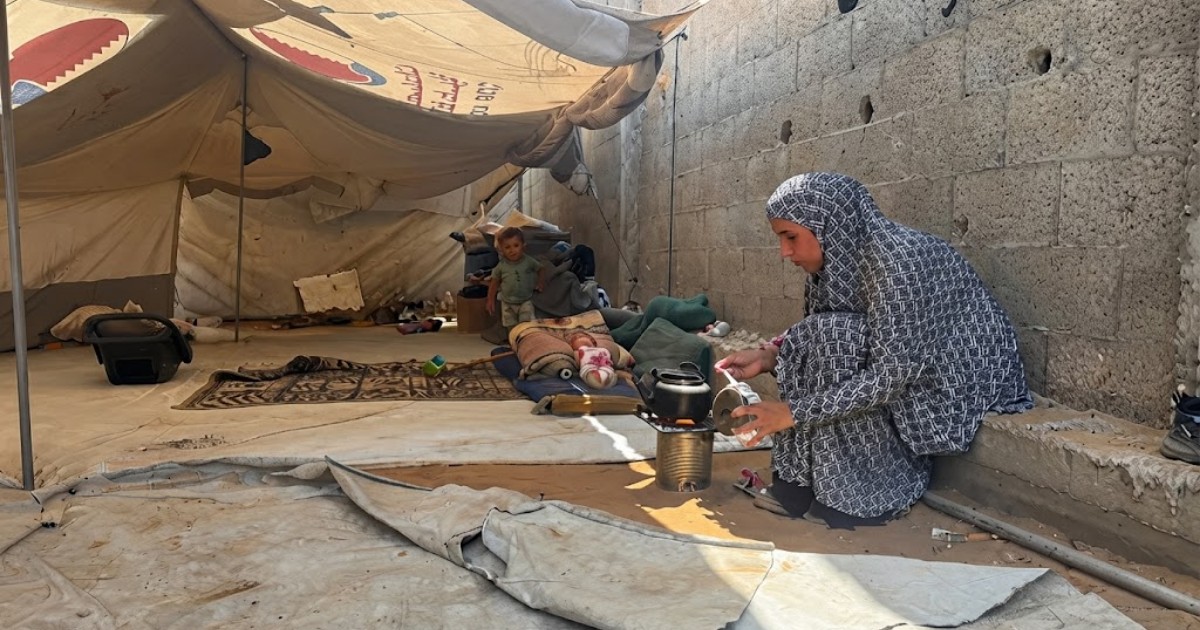
The complete breakdown of municipal services and extreme danger from active military attacks forced thousands of grieving families to bury their relatives in makeshift sites such as residential gardens, tent camps, school yards, and hospital grounds. Following a relative reduction in violence after the October twenty-five ceasefire brokered by the United States, families began recovering bodies from the rubble of destroyed homes and temporary resting places. Authorities reported that at least twelve hundred Palestinians have been killed since the ceasefire announcement, with the remains of over five hundred individuals recovered from mass graves within hospital grounds.
The acute shortage of burial grounds is driven not only by the staggering death toll exceeding seventy-three thousand fatalities since October twenty-three, but also by the systematic destruction of physical infrastructure. According to Gaza`s Ministry of Endowments and Religious Affairs, more than forty out of sixty cemeteries across the enclave have been severely damaged or completely destroyed by Israeli forces. Furthermore, tight military restrictions on access to cemeteries in occupied zones have drastically curtailed available burial options for grieving relatives.
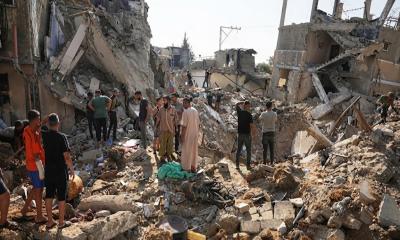
Across the besieged enclave, families are forced to build makeshift graves from the rubble of their own destroyed homes.
Ikrami al-Madallal, a media official at the Endowments Ministry, noted that many cemeteries were already operating at maximum capacity before the conflict began, necessitating the urgent establishment of new burial grounds. However, transferring bodies from temporary resting sites requires rigorous coordination between religious authorities, local government bodies, and municipal departments to prevent chaotic or unverified re-interments. Material shortages, including a severe lack of headstones and masonry supplies, have driven burial costs up to between seven hundred and one thousand shekels per site, forcing families to rely on mud, corrugated metal sheets, or salvaged building rubble as temporary markers.
Veteran gravedigger Tafesh Abu Hatab, who has spent nineteen years serving communities in Gaza, described the current war as the most devastating period of his professional career. Working at the Khan Younis Cemetery, where the number of graves surged from sixty before the war to six thousand, Abu Hatab recalled preparing up to thirty-five graves daily during peak periods of intense bombardment. He frequently handles the bodies of infants, children, and entire families wiped out by single airstrikes, underscoring the unprecedented scale of loss and human suffering defining the ongoing conflict.