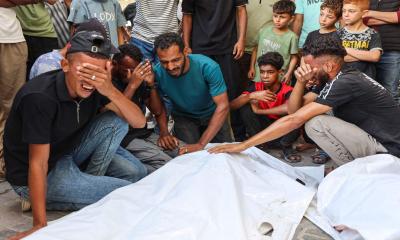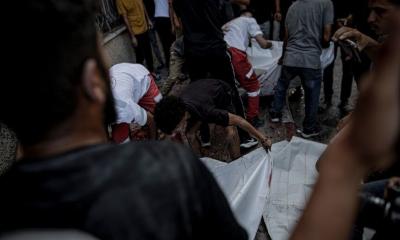
The 70th anniversary of the Eurovision Song Contest is scheduled to take place in Vienna, Austria, on May 16, but the milestone event is being overshadowed by a significant wave of boycotts. Five participating nations—the Republic of Ireland, the Netherlands, Slovenia, Spain, and Iceland—have officially withdrawn from the competition in protest against Israel`s participation. These countries have cited the devastating humanitarian crisis in Gaza and the staggering death toll of at least 72,740 people as the primary reason for their collective stance. Vienna was chosen as the host city after the Austrian artist JJ won the 2025 contest in Basel with the song "Wasted Love."
Representing Israel this year is singer Noam Bettan, who is set to perform a pop song titled "Michelle." However, his inclusion has triggered a massive backlash across the European cultural landscape. The Dutch broadcaster AVROTROS was among the first to voice its opposition, accusing Israel of "proven interference" in previous contests and highlighting serious violations of press freedom during the conflict. The broadcaster stated that participating under the current circumstances would be irreconcilable with the public values that serve as the foundation of their organization. Similarly, Ireland`s national broadcaster RTE emphasized that the appalling loss of life in Gaza made it impossible to treat the event as a neutral celebration.
The European Broadcasting Union (EBU), the body that organizes the annual pageant, has consistently defended its decision to allow Israel to compete. The EBU maintains that Eurovision is a non-political competition between public service broadcasters rather than a contest between governments. However, this stance has been met with accusations of hypocrisy. More than 1,000 musicians and cultural workers have signed an open letter calling for a broader boycott, pointing out that Russia was swiftly banned from the competition following its invasion of Ukraine. Critics argue that the same standards should apply to Israel given the intensity of the military operations in Gaza.
Slovenia’s national broadcaster and Spain’s RTVE have also joined the withdrawal, stating that the use of the contest for political goals by Israel has compromised the integrity of the event. Alfonso Morales, the secretary-general of RTVE, noted in a statement that maintaining neutrality has become increasingly difficult as the conflict continues. In Iceland, the broadcaster RUV cited immense public pressure and a lack of joy regarding the nation`s participation if Israel remained in the lineup. These high-profile exits have left the 70th edition with only 35 competing nations, down from the usual roster.
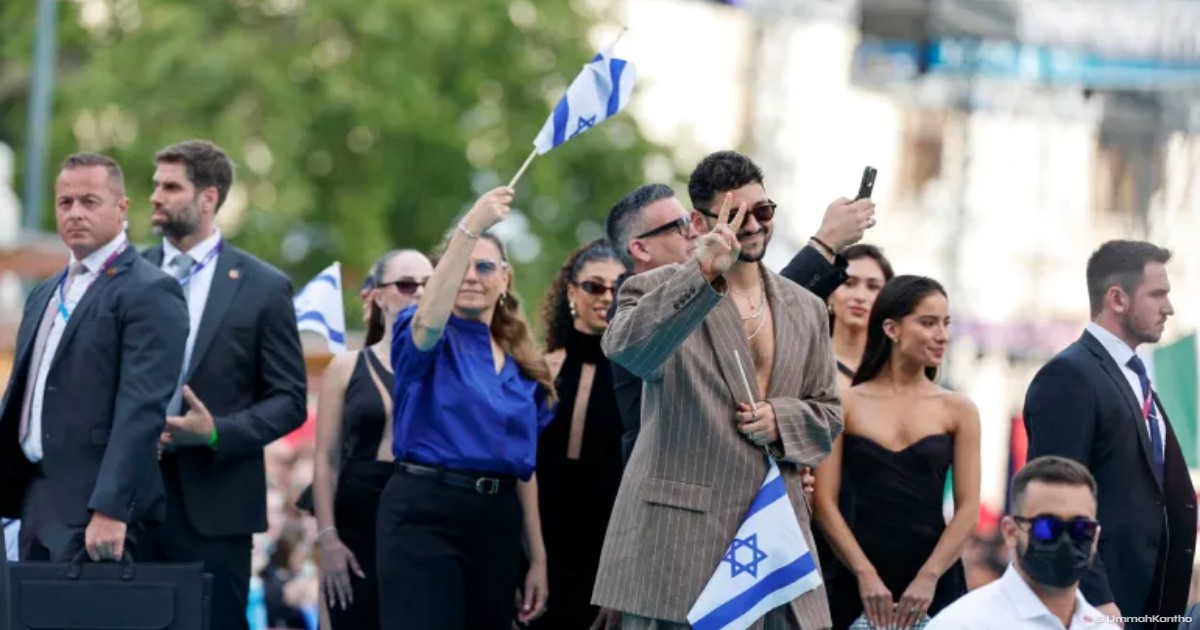
The controversy has also spilled onto the streets of Vienna. Security has been heightened around the St. Jakobshalle arena and the `Turquoise Carpet` events as protesters gather to voice their dissent. While the EBU has made several rule alterations over the years, the core membership rules still allow any country with broadcasting operations located within the European Broadcasting Area to participate. Israel first entered the contest in 1973 as the first non-European participant and has since hosted the event twice. Despite the long history, the 2026 edition faces a unique crisis of legitimacy that threatens to define its legacy more than the music itself. As the televised final approaches, the world remains divided over whether a cultural event can truly remain neutral in the face of such a profound global conflict.