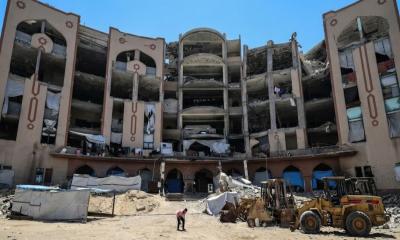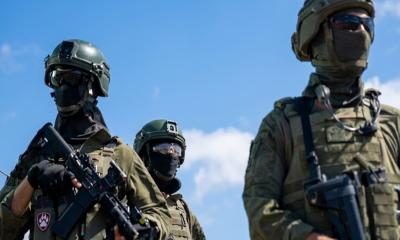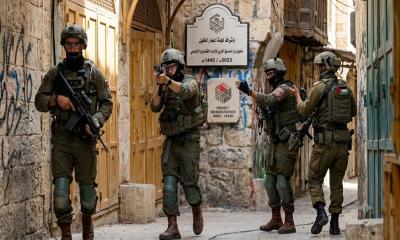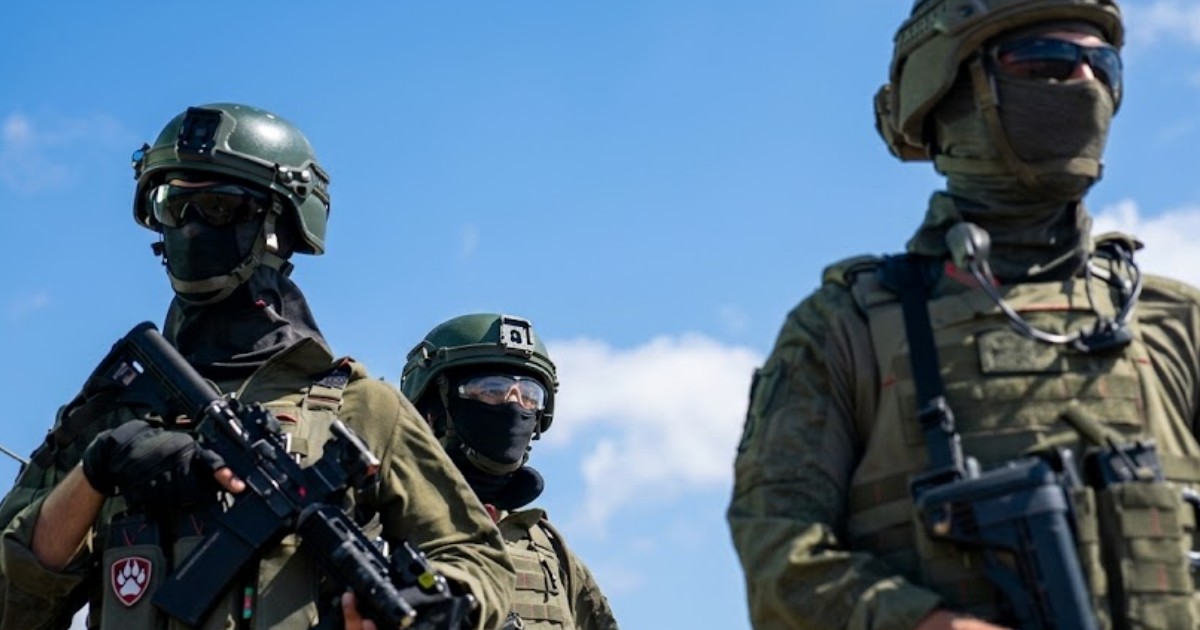
Months after the United Nations Security Council backed a comprehensive framework to end military operations in Gaza, Israel’s security cabinet approved a highly constrained pilot project to allow foreign security personnel into a narrow pocket of the territory, Al Jazeera and Reuters confirmed on Monday. Under the initial framework of the United States administration’s peace proposal, an International Stabilization Force comprising approximately 200 members from countries including Morocco and Uganda will deploy to a designated test zone in the southern city of Rafah.
While international diplomats have formally welcomed the announcement, political analysts describe the limited deployment as a calculated diplomatic gesture with negligible practical impact. Coming at a time when US-backed negotiations have largely stalled and military strikes persist across the territory, analysts argue the decision represents a tactical maneuver designed to deflect pressure from Washington ahead of Prime Minister Benjamin Netanyahu’s visit to the United States while solidifying the geographic fragmentation of the Gaza Strip.
Political analysts monitoring the region noted that the Israeli leadership intends to reject broader international demands for complete military withdrawal during upcoming meetings in Washington. By offering a minor, highly controlled achievement in a restricted zone, Israel seeks to satisfy immediate diplomatic inquiries without altering its strategic posture on the ground. Israeli daily Haaretz reported that initial projections involved 500 Moroccan personnel, but the reduction to 200 indicates the cabinet opted for an even smaller, incrementally managed deployment.
The foreign forces will operate under complete coordination with the Israeli military apparatus. According to Israeli news outlet Ynet, National Security Minister Itamar Ben-Gvir was the sole cabinet minister to vote against the measure, maintaining that Palestinian resistance groups have not disarmed and advocating instead for forced population displacement.
Israeli authorities maintain that the military will retain strict control over the unilaterally designated Yellow Line, an operational boundary that places up to 70 percent of the Gaza Strip under direct Israeli security control. Officials reiterated that no troop drawdowns will occur until complete disarmament of local groups is achieved. What remains unclear is how a restricted foreign detachment can function effectively in a enclave where overarching military authority remains entirely in Israeli hands.
Humanitarian agencies and international observers continue to warn that fragmenting the territory into isolated security zones fails to address the core crisis. Without a binding ceasefire and comprehensive withdrawal, limited international deployments risk serving as administrative covers for prolonged occupation rather than pathways toward lasting peace.