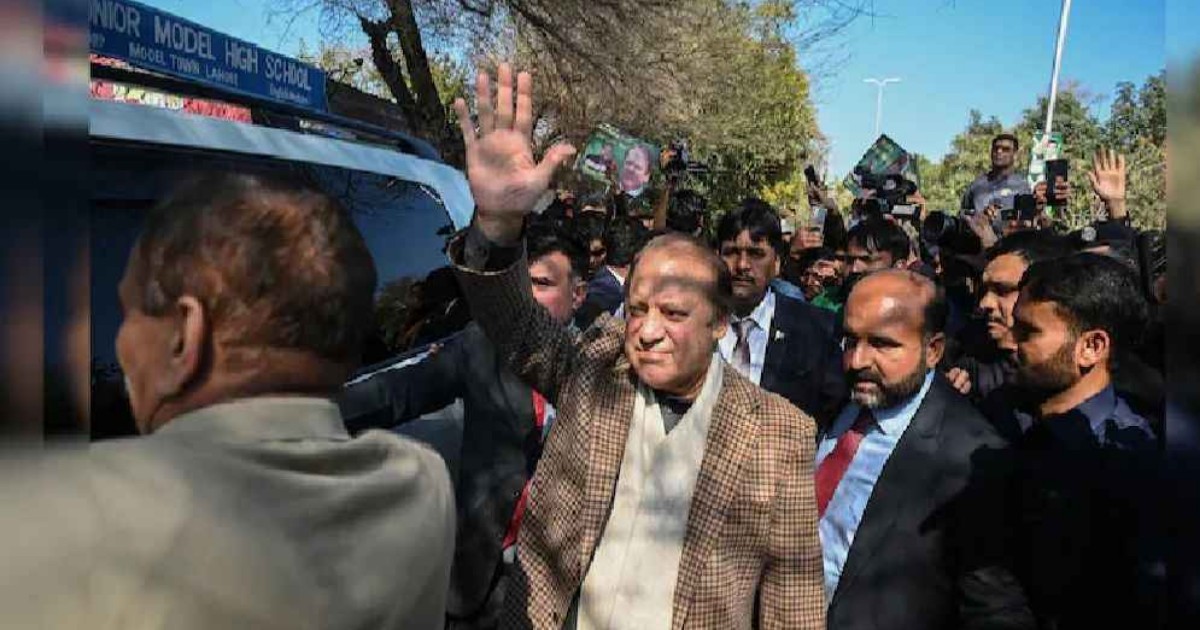
Pakistan Muslim League-Nawaz chief and former Prime Minister Nawaz Sharif has expressed his desire to serve as the Prime Minister of Azad Kashmir if his party emerges victorious in the upcoming regional elections. Speaking at a high-profile electoral rally in Muzaffarabad, Sharif stated that holding the top regional office would allow him to directly oversee development initiatives and address local governance challenges more effectively. Major international news outlets and regional publications, including Reuters and Dawn, reported on his ambitious political declaration.
Addressing a large gathering of supporters, Sharif emphasized the deep emotional and personal connection he shares with the region. He noted that Azad Kashmir holds the same significance for him as Punjab, describing it as his second home where his ancestral roots lie. Having served multiple terms as the prime minister of Pakistan, Sharif argued that his extensive administrative experience would enable him to accelerate infrastructure development and improve the socio-economic conditions of the local population if given the regional mandate.
The upcoming regional elections are scheduled to take place between July 27 and August 10, setting the stage for a fiercely contested political battle. While the Pakistan Muslim League-Nawaz is spearheading a vigorous campaign, the political landscape remains complex as they compete against traditional rivals, including the Pakistan Peoples Party, despite both parties being coalition partners at the federal level. Political analysts suggest that the election outcome will significantly shape the regional power dynamics and governance structures in the administered territory.
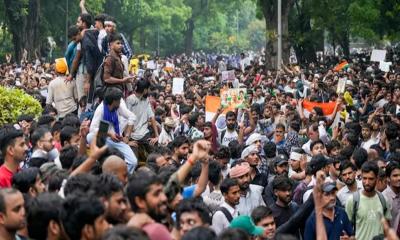
Meanwhile, the electoral buildup has unfolded against a backdrop of persistent political unrest and socioeconomic grievances across the region. For months, ordinary citizens have participated in widespread demonstrations organized by the Jammu Kashmir Joint Awami Action Committee, protesting against soaring inflation, exorbitant electricity bills, and administrative privileges enjoyed by state officials. The government`s stern handling of these protests has further escalated local tensions, creating a challenging environment for candidates campaigning on stability and reform.
In light of these compounding challenges, Sharif announced that should his party secure a majority, he would formally request Prime Minister Shehbaz Sharif to appoint him as the Prime Minister of Azad Kashmir. By taking on this hands-on leadership role, he aims to restore public trust and directly supervise critical economic and infrastructural projects that have long suffered from bureaucratic delays and political neglect.
The political developments surrounding the election have once again highlighted the longstanding territorial disputes involving New Delhi. India has consistently maintained that the entire region of Jammu, Kashmir, and Ladakh constitutes an integral and inalienable part of its territory, viewing Pakistan`s administration of the area as illegal occupation. Consequently, New Delhi maintains a firm stance of non-recognition regarding any legislative assemblies, governance structures, or electoral processes conducted within Pakistan-administered Kashmir and Gilgit-Baltistan.