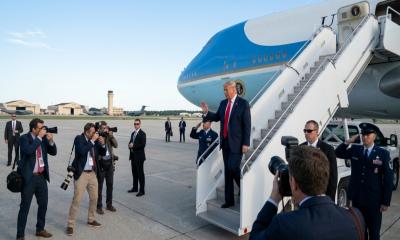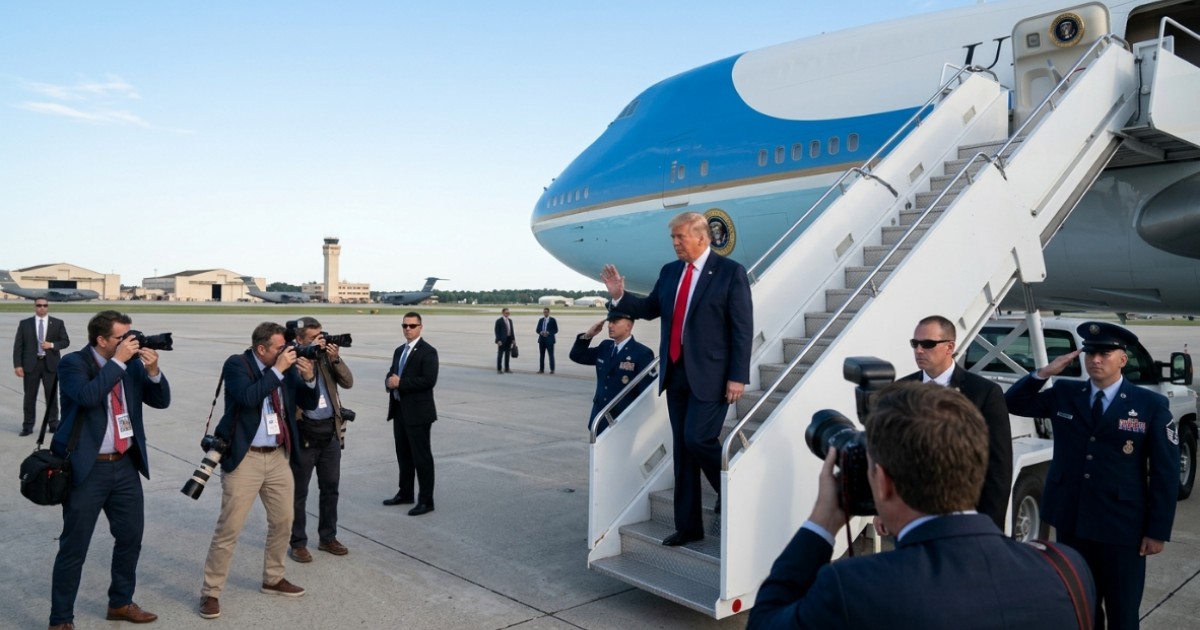
United States President Donald Trump announced on Thursday that a landmark civil nuclear cooperation agreement with Saudi Arabia is strictly conditional on the kingdom normalizing diplomatic relations with Israel through the Abraham Accords, according to reports from Al Jazeera and Agence France-Presse. The statement, issued on July 23, 2026 via Trump`s Truth Social platform, has introduced profound uncertainty into a multi-billion-dollar framework announced just one day earlier by the US Department of Energy. The sudden conditioning highlights complex geopolitical tensions across West Asia as Washington attempts to balance nuclear non-proliferation goals with diplomatic objectives in the Middle East.
In his social media statement, Trump asserted that the peaceful nuclear deal would be approved, but emphasized that its implementation remains totally subject to Saudi Arabia joining the Abraham Accords. He explicitly denied media reports suggesting the arrangement would allow domestic uranium enrichment within the kingdom, writing that there will be no enrichment of material. Trump added that the United States is not opposed to non-enriched civil nuclear facilities, comparing the proposed Saudi framework to existing peaceful nuclear arrangements operated by other nations in the region.
The underlying civil nuclear framework, known as a Section 123 Agreement, was signed on July 22 by US Energy Secretary Chris Wright and Saudi Energy Minister Prince Abdulaziz bin Salman. The thirty-year agreement aims to open Saudi Arabia`s burgeoning civil nuclear sector to American technology and expertise, enabling US companies to build commercial reactors while assisting the kingdom in diversifying its energy mix away from fossil fuels. However, several US lawmakers and arms control experts expressed deep concern that the draft agreement lacks stringent safeguards, such as the International Atomic Energy Agency`s Additional Protocol, which could theoretically leave a pathway for future uranium enrichment.
Saudi officials have not issued an immediate official response to Trump`s declaration linking the nuclear partnership to the Abraham Accords. Riyadh has long maintained that formal diplomatic recognition of Israel requires a clear, credible, and binding commitment toward establishing an independent Palestinian state. Negotiated during Trump`s first presidential term in 2020, the Abraham Accords facilitated formal diplomatic ties between Israel and several Arab countries, including the United Arab Emirates, Bahrain, Morocco, and Sudan. However, normalization talks between Washington and Riyadh hit a major impasse following the outbreak of wider regional conflict in October 2023.
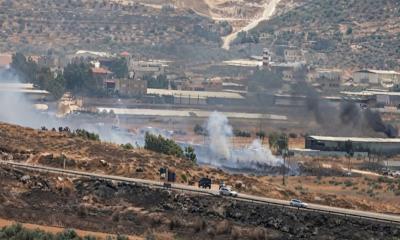
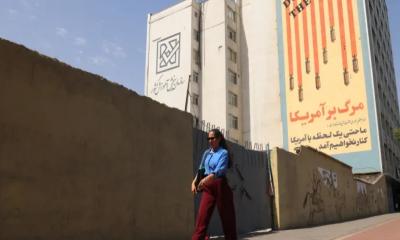
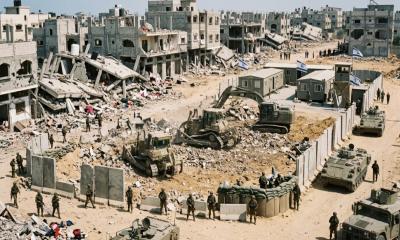
The timing of the US-Saudi nuclear announcement coincides with ongoing military conflict involving US and Israeli forces against Iran, a war launched primarily over concerns regarding Tehran`s uranium enrichment program. US Secretary of State Marco Rubio defended the administration`s initiative during comments in Manila, insisting that any final civilian arrangement with Saudi Arabia would incorporate robust non-proliferation controls to prevent weaponization. Administration officials argue that partnering with Riyadh ensures American oversight while preventing Saudi Arabia from turning to alternative nuclear partners like China or Russia.
What remains unclear is whether the US Congress will approve the bilateral energy framework without additional legislative constraints, or how Saudi leadership will navigate Trump`s public mandate. For Saudi Arabia, accepting diplomatic ties with Israel without concrete progress on Palestinian statehood represents a significant political gamble. As lawmakers in Washington prepare for a ninety-session-day review of the treaty, the intersection of civil nuclear energy, non-proliferation standards, and Middle Eastern diplomacy faces intense international scrutiny.