Maritime insurance prices have quadrupled for vessels traversing the Strait of Hormuz and Bab al-Mandeb amid ongoing military confrontations and naval blockades, according to an S&P Global market report confirmed by Al Jazeera on Thursday. Both critical maritime chokepoints, which together facilitate a major portion of global energy and commercial shipping, have effectively become active war zones. The sharp rise in war-risk premiums follows intensified military actions involving Iran, the United States, Israel, and Yemen`s Houthi movement.
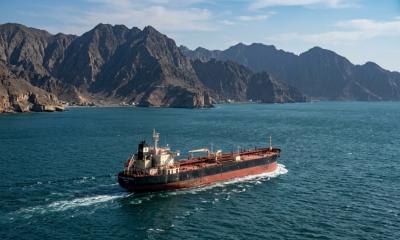
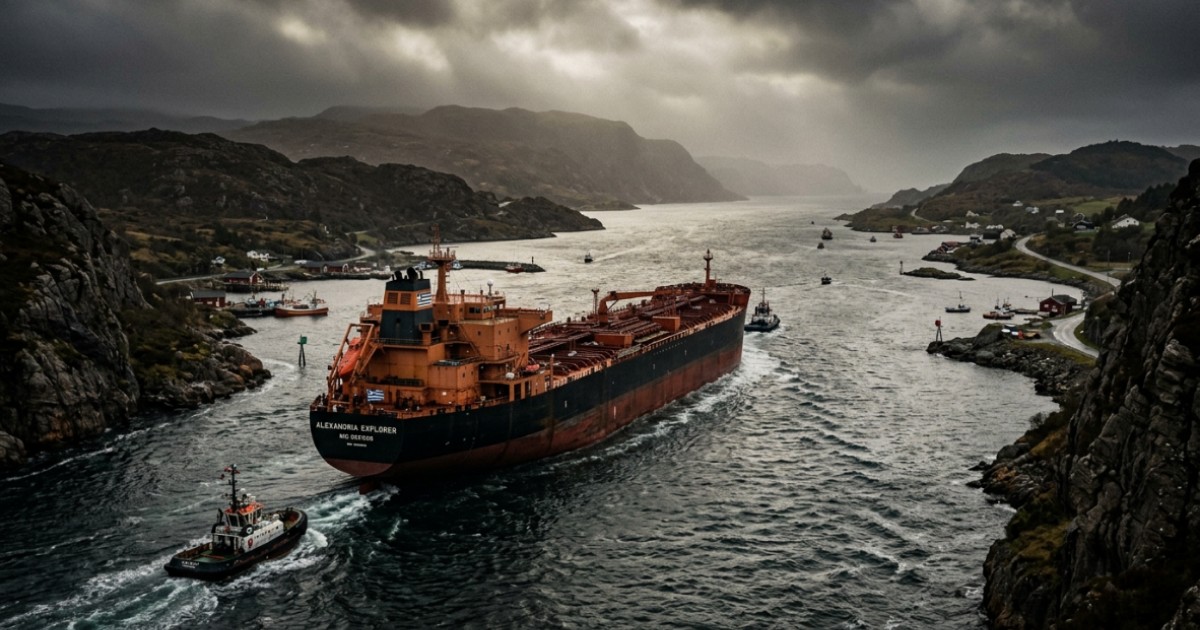
Iran`s Islamic Revolutionary Guard Corps announced on Thursday that an explosion set an oil tanker ablaze in the Strait of Hormuz off the coast of Oman after the vessel attempted to navigate the southern corridor. According to statements published by Iranian state media, two accompanying vessels turned back immediately following the blast. The IRGC Navy declared that the Strait of Hormuz remains under its full control, warning that no oil tankers will be permitted to pass while American military operations continue in the region. Prior to the escalation, between 120 and 140 vessels traversed the strait daily, carrying nearly 20 million barrels of crude oil, but daily traffic has now plummeted to single digits.
Data from S&P Global reveals that war-risk insurance premiums for ships navigating the Strait of Hormuz have surged from an average of 1 to 3 percent of a vessel`s hull value up to 7.5 to 10 percent. Transporting a 270,000 metric tonne crude oil cargo from the Gulf to China currently incurs a market shipping cost of 77.96 USD per metric tonne, four times the five-year average rate of 18.91 USD. At current market rates, insuring a single supertanker journey through the waterway can cost approximately 21 million USD. Although rates had peaked at nearly 140 USD per metric tonne in March during the height of initial hostilities, recent military clashes have driven costs back upward.
Simultaneously, shipping conditions in the Bab al-Mandeb Strait have deteriorated rapidly following a naval blockade announced by Yemen`s Houthi movement targeting Saudi Arabian ports and commercial shipping. On Thursday, the Houthis claimed responsibility for launching cruise missiles, ballistic missiles, and drones against two Saudi oil tankers, the Encelia and the Layla, in the Red Sea. The official Saudi Press Agency confirmed that the Encelia sustained damage during the attack. Consequently, ship transits through the Bab al-Mandeb dropped by 30 percent in a single day, with total daily crossings falling to 29 vessels.
Insurance executives at global risk management firm Marsh noted that risk perceptions across the Red Sea and the Gulf have escalated sharply, prompting underwriters to adjust premium structures upward. While insurance rates near Bab al-Mandeb currently stand at 0.5 percent of hull value compared to 0.1 percent in safer zones of the western Red Sea, the operational threat remains acute. What remains unclear is how long global supply chains can absorb these compounding shipping costs before the financial strain triggers severe price increases for consumers worldwide.