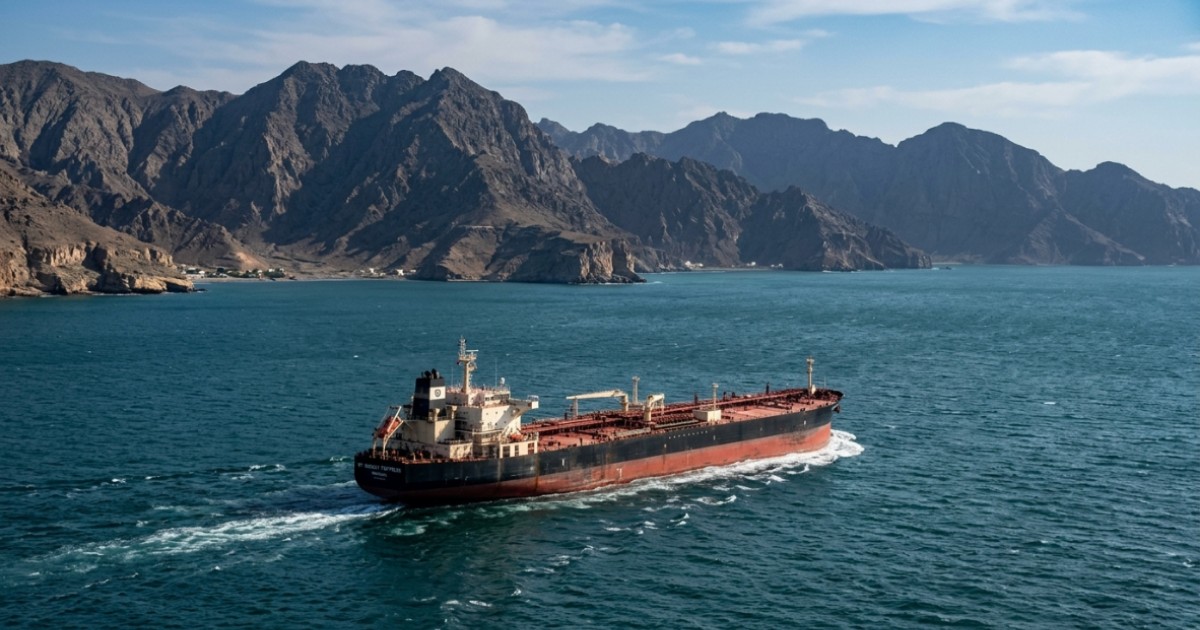
The Strait of Hormuz is reopening at a pace that has surprised market analysts, following a memorandum of understanding signed between the United States and Iran. Indirect talks held in Qatar have successfully launched the resumption of shipping flows, leading to an immediate cooling of global oil prices. Before the escalation of conflict between the US, Israel, and Iran on February 28, this critical waterway facilitated one-fifth of the global oil supply.
For three consecutive days, global oil prices have declined by approximately 1 percent. The investment banking group Morgan Stanley has issued a warning, suggesting that the market may shift from a state of shortage to a potential glut. This risk of a severe oversupply, where crude oil production outpaces consumer demand, is becoming a primary concern for energy traders. Analysts point to the significant reduction in imports by China, the world`s largest oil importer, as the primary driver behind this bearish forecast.
The memorandum of understanding, signed on June 17, initiated a 60-day negotiation window aimed at securing a permanent peace agreement. The interim deal includes provisions allowing Iran to permit ships to transit the waterway for 60 days without charge. However, the interpretation of this agreement remains a point of contention. Tehran has asserted that the accord allows it to maintain control of the strait in a joint arrangement with Oman, a claim that complicates the long-term diplomatic outlook.
Despite high geopolitical uncertainty, the resumption of oil transit has occurred faster than many market participants predicted, putting downward pressure on prices. Morgan Stanley reported that 35 oil and gas tankers successfully exited the Strait of Hormuz on Thursday. This volume marks the first time since the onset of the war that transit levels have returned to their pre-war averages. While this restoration of supply offers temporary relief to consumers at petrol pumps, the potential for a market surplus has introduced new volatility.
Brent futures, the global benchmark for oil, recently fell by 1.1 percent to trade below 71 dollars a barrel, while US West Texas Intermediate crude also saw a comparable decline. The central question facing the market is whether this supply recovery will be met with sufficient demand. With China reducing its intake and the truce between Washington and Tehran remaining fragile, the stability of the global energy market hangs in the balance.