The United States and Iran have reached a framework agreement to end the ongoing conflict that has roiled the Middle East for over three months. The agreement, announced on Sunday, includes provisions to permanently halt military operations and reopen the strategically vital Strait of Hormuz, offering relief to global energy markets. According to reports from AP and Al Jazeera, the official signing ceremony is scheduled to take place on June 19 in Switzerland, with Pakistan serving as a key mediator in the process.
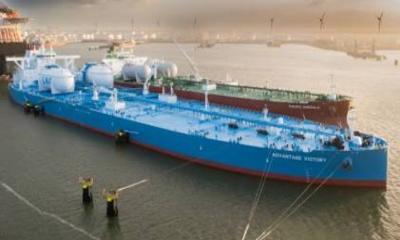
US President Donald Trump announced the breakthrough on social media, signaling an authorization for the removal of the US naval blockade on Iranian ports. The reopening of the Strait of Hormuz, through which approximately 20 percent of the world`s oil and liquefied natural gas passes, sparked an immediate and positive reaction in global markets. Brent crude prices dropped significantly following the news, while stock markets in Asia and Europe saw an uptick, reflecting investor optimism regarding the stabilization of energy supplies.
The framework is focused on an immediate de-escalation, addressing the most urgent military and economic fronts. While the deal covers the cessation of hostilities on all fronts, including in Lebanon, it notably defers complex issues, such as Iran’s nuclear program, to a later phase of technical negotiations. Iranian officials, including Deputy Foreign Minister Kazem Gharibabadi, have confirmed the consensus but emphasized that implementation of the measures will commence following the formal signing.
Experts have cautioned that while the deal is a major diplomatic success, logistical challenges remain. The Strait of Hormuz has been heavily militarized and restricted since the conflict began in late February. Clearing potential maritime hazards and restoring normal shipping traffic will not be an instantaneous process. Retired US Navy Rear Admiral Mark Montgomery noted that returning to full operational capacity could take several weeks, as commercial shipping routes need to be verified for safety and security.
International leaders have largely welcomed the agreement, viewing it as a critical step toward avoiding further regional instability. Pakistan’s Prime Minister Shehbaz Sharif lauded the move, describing the permanent termination of military operations as a historic achievement. While Israel has not been a direct participant in the negotiations, the regional implications of the deal are expected to be profound, particularly regarding the future of security alliances in the Persian Gulf.
For now, the focus shifts to Geneva. As negotiators prepare for the technical talks in the coming weeks, the world waits to see if this framework will translate into a lasting peace or if the underlying tensions between Washington and Tehran will continue to shape the geopolitical landscape. The stability of the global economy remains tethered to the success of this agreement and the smooth reopening of one of the world`s most critical maritime chokepoints.