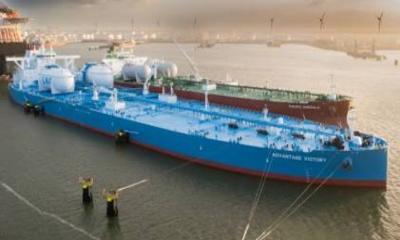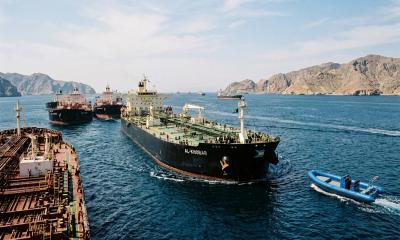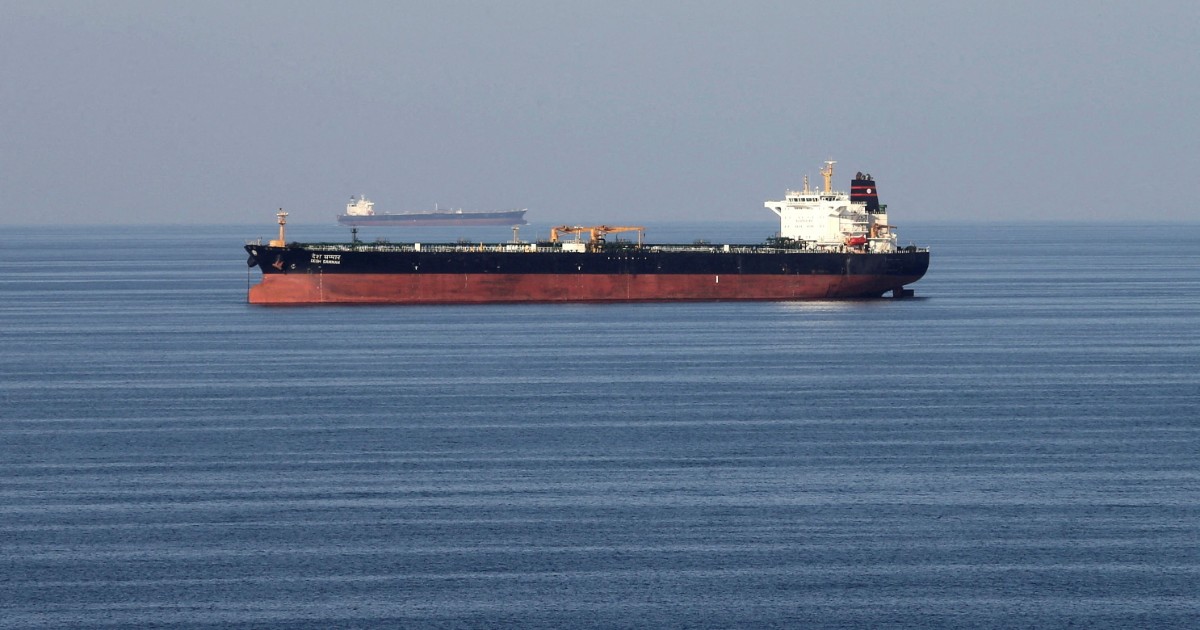
The United States partially lifted Iran oil sanctions on Monday following encouraging peace talks in Switzerland, the US Treasury Department confirmed, according to Reuters and Al Jazeera. The decision establishes a temporary 60-day waiver that allows the production, delivery, and sale of Iranian crude oil and petrochemical products to the American market. This significant move comes amidst optimistic reports from international mediators regarding high-level discussions in Burgenstock aimed at forging a comprehensive peace agreement between Washington and Tehran. Financial analysts believe the sudden easing of restrictions will introduce substantial energy supplies back into global markets and stabilize volatile oil prices worldwide. The unexpected shift in US policy marks a profound turning point in modern geopolitical relations within the Middle East.
The temporary license issued by the federal government remains fully valid through August 21 and directly fulfills an essential condition outlined in the bilateral memorandum of understanding signed on June 17. US Treasury Secretary Scott Bessent announced on social media that the negotiations have proven highly productive, with multiple programmatic stipulations moving forward successfully. He emphasized that the Iranian government has committed to ensuring free and open maritime transit through the strategically vital Strait of Hormuz. Additionally, Tehran has agreed to permit inspectors from the International Atomic Energy Agency to re-enter the country and resume formal oversight. This initial compliance with international standards represents a foundational victory for the ongoing diplomatic framework.
While the newly issued general license explicitly authorizes wide-ranging transactions involving Iranian-origin crude and petroleum derivatives, specific strict provisions remain firmly in place. The authorization strictly prohibits any financial transactions or trade operations involving entities connected to North Korea, Cuba, or Russian-occupied regions of Ukraine. Iranian government officials did not offer an immediate response to the policy announcement from Washington on Monday afternoon. Despite the official silence from Tehran, global commodity markets reacted instantaneously to the news of the sanctions waiver. Brent crude futures dropped by over 3.5 percent, settling at 77.7 dollars per barrel as trading intensified across major financial hubs.
What remains unclear is whether this temporary easing of Iran oil sanctions will successfully pave the way for a durable, long-term peace treaty between the historically adversarial nations. US Vice President JD Vance projected strong optimism regarding the Swiss diplomatic summit during a press briefing with reporters at the resort town. He stated that negotiators have successfully laid an excellent foundation for a final agreement, downplaying recent hostile online exchanges between the leaders. Vance dismissed social media threats of a walkout made by President Donald Trump and top Iranian negotiator Mohammad Bagher Ghalibaf, confirming that direct talks continued well past midnight. The persistence of the diplomatic teams highlights the immense strategic importance of these high-stakes negotiations.
Washington has consistently maintained that preventing Iran from developing functional nuclear weapons remains the primary driver behind its previous military and economic campaigns. Conversely, Tehran has persistently rejected all international accusations regarding a clandestine weapons program, insisting its nuclear developments serve purely peaceful civilian purposes. Mediators facilitating the Switzerland summit reported encouraging progress during the initial rounds of technical and political dialogue this week. The ultimate success of the framework depends entirely on whether both sovereign nations can maintain compliance with the rigorous oversight mechanisms over the next two months. Global leaders continue to closely monitor the evolving situation as the diplomatic roadmap unfolds.