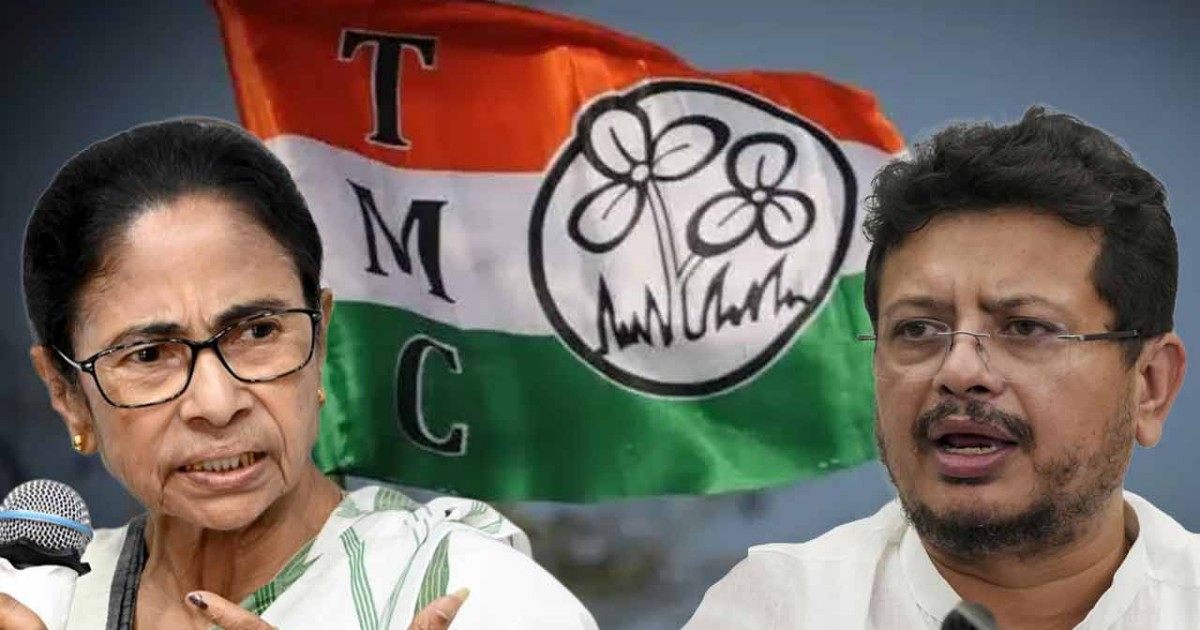
A faction of the Trinamool Congress (TMC) in West Bengal, led by opposition leader Ritabrata Bandyopadhyay, has formally approached the Election Commission of India (ECI) to assert their claim as the legitimate party leadership. On Thursday, a delegation of ten members met with the full bench of the Election Commission, including Chief Election Commissioner Gyanesh Kumar, to present their case regarding the ongoing internal crisis within the political organization.
Following the meeting, Bandyopadhyay stated that the delegation had briefed the commission on the special session held by the party on June 22. He expressed confidence that the commission would review the documents submitted by his group, which include claims of majority support among elected representatives. The rebels assert that two-thirds of the party`s sitting MLAs, along with former ministers and district council members, have aligned with their faction.
The leadership dispute has deepened the divide within the West Bengal political landscape. The rebel group has announced a new 30-member national executive committee, appointing former minister Arup Roy as the party chairman and Akhruzzaman as the treasurer. This move effectively sidelines Mamata Banerjee and Abhishek Banerjee, the established leadership of the party.
Conversely, the official TMC leadership remains defiant. Spokesperson Kunal Ghosh dismissed the claims of the rebels, stating that the party remains synonymous with Mamata Banerjee. He pointed out that the rebel members had previously signed affidavits acknowledging the leadership of Banerjee and her nephew, Abhishek Banerjee, only months ago. Ghosh challenged the dissident MLAs to seek a fresh mandate from the electorate, suggesting that their claim to party ownership lacks legal and moral standing.
In response to the growing dissent, Mamata Banerjee has expelled eight prominent leaders and legislators, including Firhad Hakim, for allegedly engaging in secret meetings and conspiring with the rebel faction. Both groups are now engaged in a legal battle, having submitted competing lists of office-bearers and national committee members to the Election Commission. The ECI is expected to play a decisive role in resolving the conflict, particularly regarding the control of the party’s symbol—the iconic twin grass-flower—and the management of party funds.
The outcome of this confrontation will have significant implications for the political stability of West Bengal. As both factions await a decision from the Election Commission, the internal fracture within the party has become a focal point of public discourse. Observers are questioning how the ECI will navigate the complex legal arguments and whether this dispute will lead to a long-term shift in the state`s political equilibrium. The resolution of this ownership battle remains pending as the commission evaluates the evidence provided by both sides.