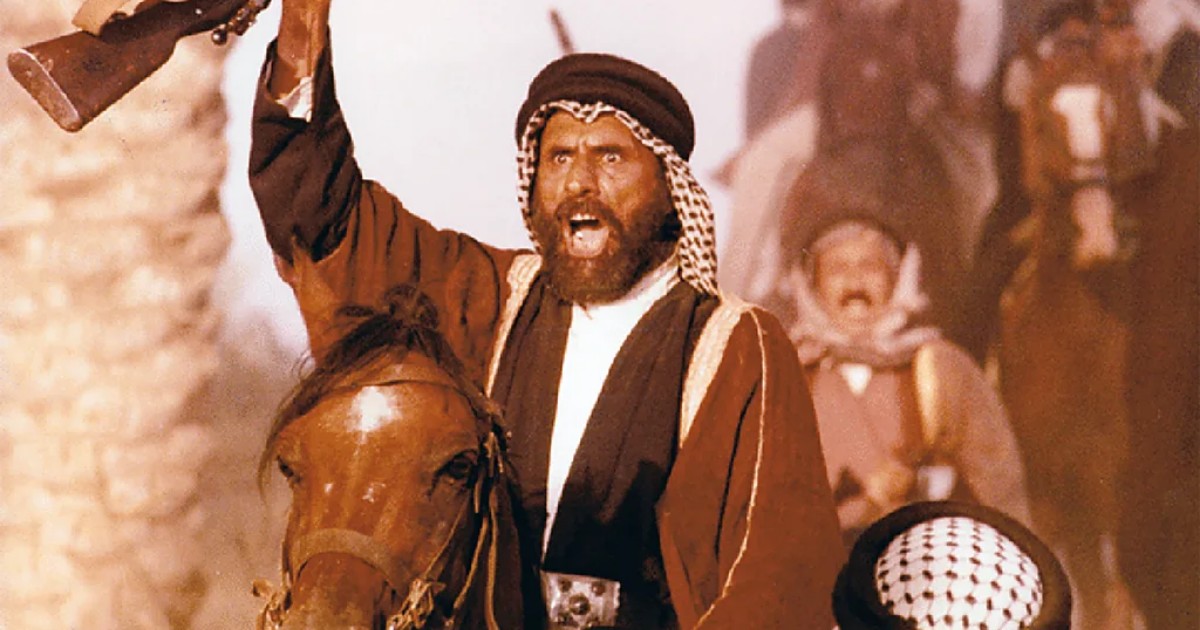
The dramatic behind-the-scenes history of a multi-million-dollar Hollywood-style epic film commissioned by former Iraqi dictator Saddam Hussein in Baghdad during the early 1980s was revealed in a retrospective report by BBC News. Shortly after seizing power in July 1979, the Iraqi leader envisioned establishing a major patriotic domestic film industry that could appeal directly to Western audiences, aiming to transform Baghdad into a cinematic hub on the Tigris River. To realize this grand vision, he financed an ambitious historical production titled Clash of Loyalties, or Al-mas`ala Al-Kubra, which depicted the 1920 Iraqi revolution against British colonial rule. This Saddam Hussein film was intended to boost the international image of Iraq by linking his ruling Ba`ath party to historical nationalist revolutionaries.
According to the film`s Iraqi-born British producer, Lateif Jorephani, who spoke to BBC News, the massive production spanned over three years and cost approximately 30 million dollars at the time, equivalent to over 100 million dollars today. The project featured Hollywood-style special effects, sprawling desert sets, and a prominent international cast led by the famous British actor Oliver Reed. When government officials initially approached the dictator regarding the unprecedented financial requirements of this Saddam Hussein film project, he reportedly ordered them to spend whatever it took to achieve global success. However, the production faced immediate jeopardy when the devastating Iran-Iraq war erupted in 1980, just a few weeks after the film crew commenced shooting in the desert near Baghdad.
Filming in an active war zone presented unprecedented logistical challenges for the crew of 140 international personnel who were accustomed to secure studios in Pinewood or Hollywood rather than working amid real falling missiles and exploding bombs. Although production was briefly halted due to the outbreak of hostilities, the Iraqi leadership firmly instructed the filmmakers to resume operations within a fortnight to maintain an external illusion of societal normalcy. The cast faced harrowing experiences, including landing in Baghdad on darkened civilian aircraft escorted by fighter jets to evade active anti-aircraft missile strikes. During the production, local Iraqi actors were suddenly conscripted into the military halfway through production, forcing the crew to constantly reshoot major historical scenes.
The high-budget venture was nearly derailed entirely not by military bombardment, but by the highly volatile and disruptive behavior of its primary star, Oliver Reed, during a hotel incident. The actor severely offended local authorities by urinating into an empty wine bottle at a luxury restaurant in Baghdad and instructing a waiter to deliver it to a neighboring table of guests. Outraged Iraqi government ministers immediately sent urgent telexes demanding that the producer immediately expel the British actor from the country and terminate his contract. Jorephani had to fight fiercely against the state bureaucracy to retain his lead actor, recognizing that replacing him halfway through production would bankrupt the multi-million-dollar project.
What remains unclear is why such an expensive and heavily state-sponsored cinematic endeavor ultimately failed to achieve commercial distribution or secure a lasting international legacy. The completed masterpiece was screened at the Moscow Film Festival in July 1983, where it won a minor award, but political complications and the ongoing war prevented its wider release. Following its brief premiere, the original film canisters were eventually shipped to England, where they remained stored in Jorephani’s garage in Surrey for decades. This forgotten chapter of Middle Eastern cinema stands as a stark reminder of how political hubris, wartime chaos, and eccentric celebrity behavior can sabotage the grandest artistic ambitions.