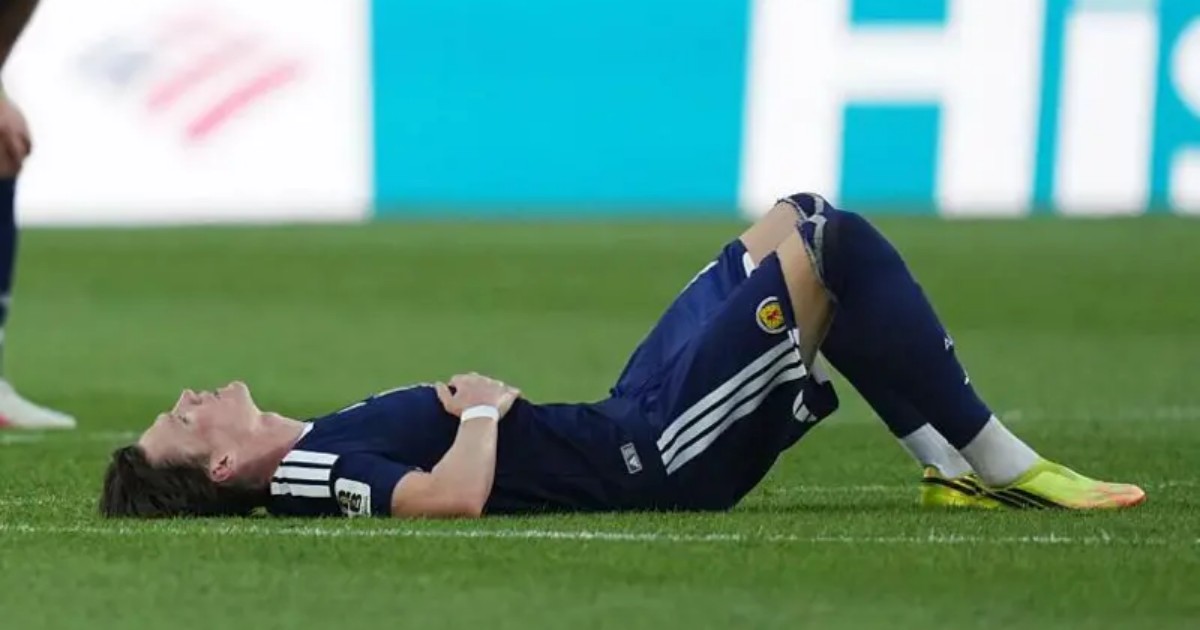
Scotland has been officially eliminated from the 2026 World Cup following a disappointing group stage campaign, prompting head coach Steve Clarke to formally resign from his position on Saturday, according to BBC News and Reuters. International media reports indicated that the Scottish national team managed only one narrow victory while suffering heavy defeats in their other two group fixtures, sealing their premature departure from the global tournament. Clarke, who spent seven years leading the national squad, made the decision to step down despite recently signing a new contract extension with the Scottish Football Association. Following his resignation, the departing manager issued an emotional farewell letter to the thousands of traveling fans known globally as the Tartan Army.
During the final hours of the group stage, Scotland relied heavily on the results of other matches across the United States to keep their narrow knockout stage hopes alive. Complex mathematical scenarios involving fixtures between Ghana, Croatia, DR Congo, Uzbekistan, and Algeria kept fans anxious in Philadelphia, Atlanta, and Kansas City, but no miracle materialized. The team ultimately failed to secure a spot among the best third-placed teams to advance into the round of 32. Throughout the entire 2026 World Cup tournament, Scotland managed to score only one single goal, highlighting a severe lack of attacking potency on the international stage. Football analysts noted that an overly defensive tactical setup heavily contributed to the team`s inability to compete effectively against world-class opponents.
Although Scotland displayed flashes of offensive intent during the second half of their match against five-time champions Brazil, they were already trailing by three goals, making a comeback nearly impossible. Similarly, their previous encounter against Morocco exposed deep defensive vulnerabilities under intense tactical pressure from the North African side. This latest tournament failure has ignited a fierce debate within the Scottish football community regarding who bears the ultimate responsibility for the anti-climax. Critics have strongly condemned Clarke for failing to maximize the potential of his squad and for adopting a consistently negative tactical philosophy. Conversely, defenders of the manager argue that while the players exhibited immense determination and hard work, the squad simply lacked the necessary top-tier quality required at this elite level of competition.
What remains unclear is why the Scottish domestic football system has consistently struggled to develop elite, athletic young talent and why top-flight clubs demonstrate a clear aversion to giving homegrown youth players regular first-team opportunities. Many senior football experts believe that these deep-rooted structural deficiencies within the grassroots development system directly impact the long-term performance of the national team. Despite the disappointing end to this campaign, Clarke leaves behind a significant legacy, having successfully guided Scotland to three major international championships during his seven-year tenure. However, the bitter conclusion to their 2026 World Cup journey underscores the immediate need for a comprehensive overhaul and presents a massive rebuilding challenge for the next management team.
Thousands of dedicated Scottish supporters who traveled immense distances across the Atlantic to support their nation are now returning home in deep disappointment. Despite the poor performances on the pitch, the vibrant presence and unwavering loyalty of the Tartan Army were widely praised as one of the finest spectacles of the tournament. Unfortunately, the heavy burden of fan expectations ultimately proved too difficult for the current roster of players to manage under intense match pressure. The Scottish Football Association is expected to immediately begin the search for a qualified successor to rebuild the squad for upcoming international qualifiers. This early exit serves as a harsh reality check for Scotland`s footballing culture, forcing a period of profound self-reflection across all levels of the sport.