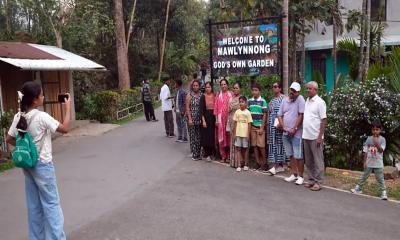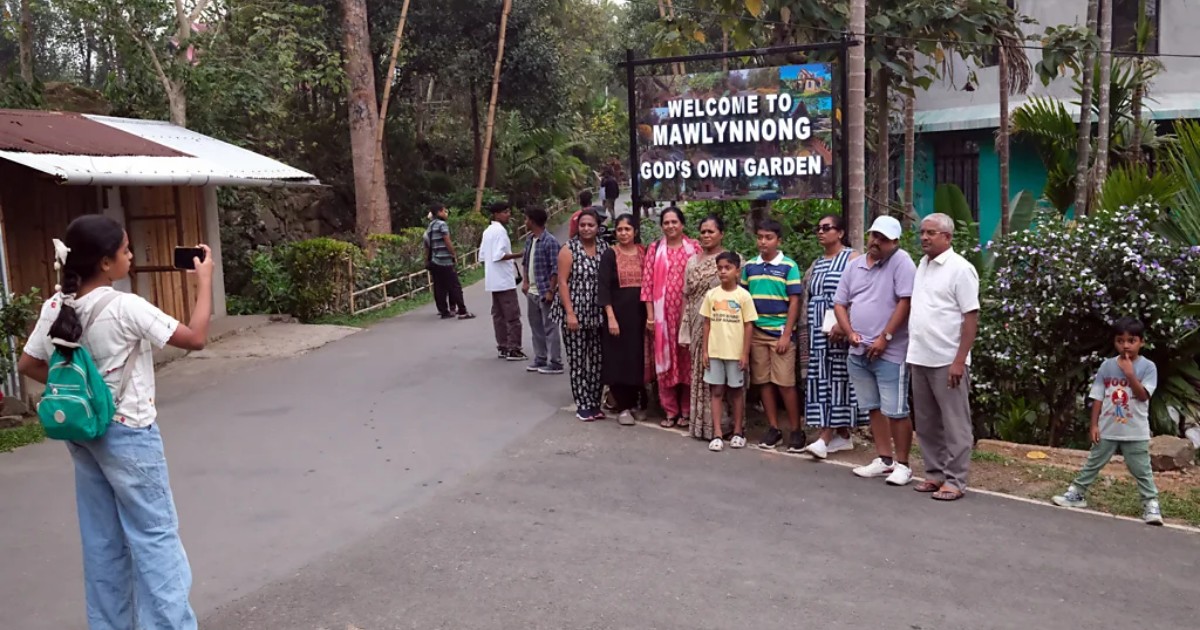
The local committee of Mawlynnong village in India`s Meghalaya state has banned all day-tripping tourists on Sundays since January 2026 to preserve its cultural identity and allow residents to attend church, BBC News confirmed. Known across the region as Asia`s cleanest village, this small community of 600 people typically welcomes up to 1,000 tourists every Saturday. The unexpected decision to lock the black metal gates across the single entry road once a week has surprised many outsiders. However, residents explained that sacrificing a day of tourism revenue is a necessary step to reclaim what they call real village life.
Located just a few kilometers from the Bangladesh border, Mawlynnong transformed into a major travel hotspot after Discover India magazine awarded it the cleanliness title in 2003. Maintaining such high levels of public sanitation is a significant feat, and the village instills these habits in children from a very young age. Every morning before school, children take to the streets to sweep away dead leaves and empty public rubbish bins. Prime Minister Narendra Modi brought further national attention to the community in 2014 during a radio address, praising the residents for their disciplined approach to environmental sanitation.
This widespread acclaim sparked a massive economic shift in Mawlynnong, prompting most families to pivot from traditional agriculture to the booming tourism industry. Locals built guesthouses, opened restaurants, and set up souvenir and tea stalls surrounding a newly constructed parking lot to cater to the daily influx of visitor vans. However, two decades of continuous tourism combined with the modern pressures of social media exposure eventually took a toll on the community. To reestablish a healthy social balance, the village committee ultimately decided that a strict weekly break from external visitors was essential.
The primary driver behind the Sunday ban is the religious needs of the predominantly Christian population, who wish to dedicate the day to church services rather than catering to tourists. Precious Khongdup, a prominent member of the village committee, told Indian media outlets that the restriction was designed to protect both their traditional identity and the initial discipline that made the village famous. Local resident Festival Kharrymba, who manages a popular bamboo walkway in the village center, strongly supported the new rule. She stated that hosting tourists on Sundays created severe disruptions for the community during their times of prayer and worship.
What remains unclear is how much this weekly closure will impact the long-term financial stability of the small business owners who rely exclusively on tourist traffic. Despite potential economic losses, the community remains united in prioritizing spiritual well-being, mental peace, and environmental preservation over immediate commercial gain. Regional tourism authorities have expressed respect for the autonomous decision, advising weekend travelers to adjust their itineraries accordingly. Experts believe this unique policy could serve as an important case study for other global destinations struggling with the negative consequences of overtourism.