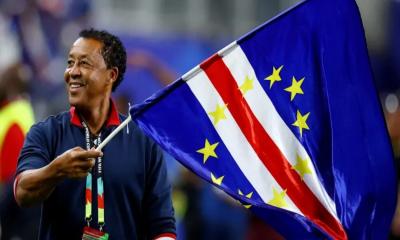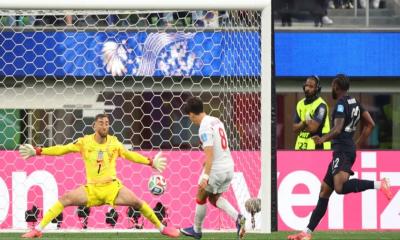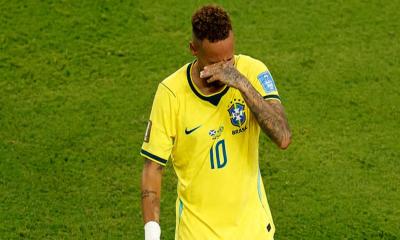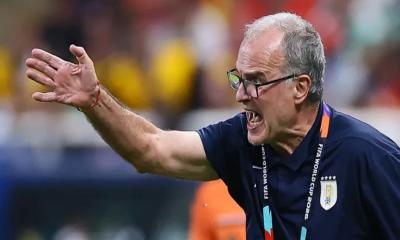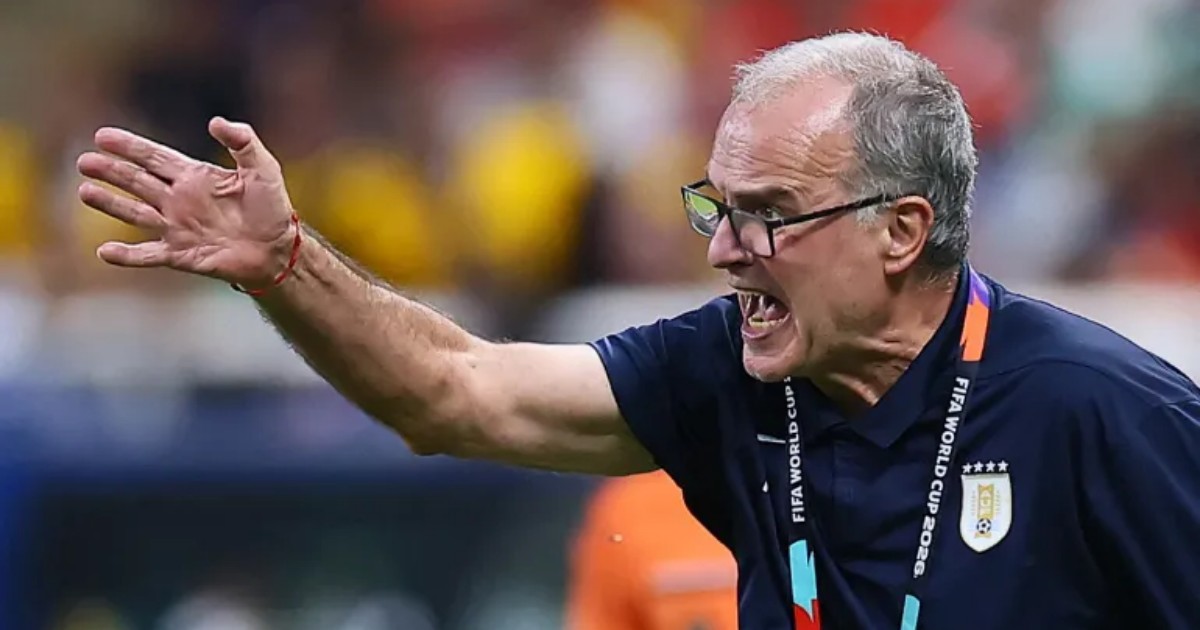
Uruguay head coach Marcelo Bielsa took full responsibility for his team`s unexpected elimination from the 2026 FIFA World Cup on Saturday following a decisive defeat against Spain, according to reports from The Associated Press and Al Jazeera. The South American powerhouse suffered a narrow 1-0 loss to group-winners Spain in their final group fixture, leaving the prestigious tournament without securing a single victory. Uruguay managed only two points in Group H following consecutive draws against Saudi Arabia and tournament newcomers Cape Verde, who remarkably advanced to the knockout stage in second place. Currently ranked 19th in the FIFA world rankings, Uruguay stands as the highest-ranked nation to be sent packing from the tournament during the opening round, sending shockwaves through the global football community.
The 70-year-old Argentine tactician delivered a remarkably candid self-assessment during his post-match press conference, stating that his tenure left absolutely nothing good behind for Uruguayan football. Bielsa argued that any tactical or developmental contribution a manager attempts to make over a three-year period becomes meaningless if the team fails to achieve competitive results on the biggest stage. He emphasized that their previous achievements, including a fourth-place finish in the continental qualifiers and a third-place finish at the Copa America, were completely overshadowed by this World Cup disaster. The veteran manager looked visible exhausted as he explained the structural failures that led to their early departure.
Bielsa, who previously earned widespread acclaim in the English Premier League while managing Leeds United, has never shied away from labeling his intense managerial style as that of a toxic perfectionist. He recalled a media conference from last November following a heavy 5-1 defeat against the United States where he openly admitted receiving numerous complaints regarding his rigid behavioral standards. Rumors of a pre-tournament player mutiny had circulated widely within the media, indicating deep-seated friction between the veteran coach and his squad before their arrival in North America. This friction appears to have manifested on the pitch during their disjointed performances.
What remains unclear is how the Uruguayan Football Association will address the immediate vacancy and restructure their national team strategy moving forward into the next international cycle. The outgoing manager expressed profound frustration with the final standings, asserting that his players performed well enough to deserve at least seven points from their three group matches. Despite creating multiple goal-scoring opportunities and dominating possession during phases of their matches, the team lacked clinical execution in the final third, ultimately leaving the tournament with just two points.
This disappointing exit marks the second time in Bielsa`s lengthy international career that his team has failed to progress beyond the World Cup group stage, mirroring Argentina`s infamous premature exit during the 2002 tournament in South Korea and Japan. His most successful World Cup campaign remains the 2010 edition in South Africa, where he successfully guided Chile to the round of 16. With his contract officially concluding at the end of this tournament, Uruguay must now look toward a complete administrative and tactical overhaul to salvage their footballing future and develop the next generation of players.