Japan has taken a stunning 1-0 first-half lead against five-time world champions Brazil during their high-stakes round of 32 knockout match at the Houston Stadium in the ongoing World Cup 2026, BBC News reported on Monday. The winner of this highly anticipated encounter is scheduled to face either Norway or Ivory Coast in the round of 16, amplifying the pressure on both continental heavyweights. From the opening whistle, the Asian powerhouse demonstrated remarkable tactical discipline and high-pressing football, successfully destabilizing the traditional fluid passing rhythm of the South American giants. The atmosphere inside the stadium remained tense as the Japanese defensive lines effectively neutralized early Brazilian offensive maneuvers.
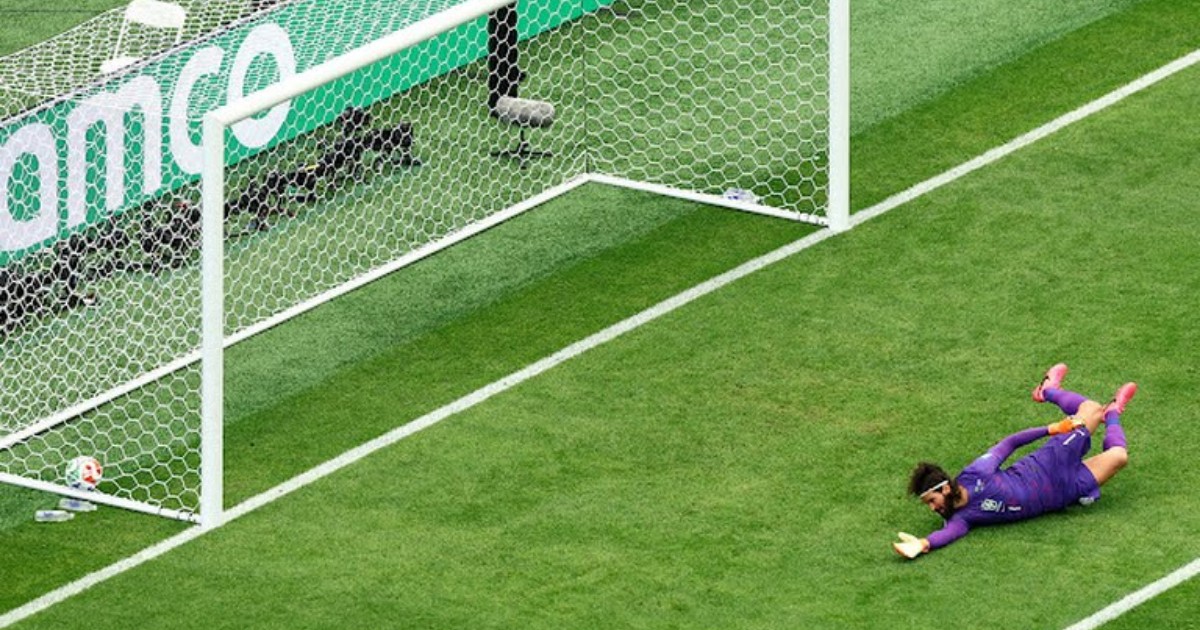
The defining moment of the first half arrived in the 29th minute when Japanese midfielder K. Sano intercepted a loose ball near the halfway line. Exhibiting exceptional pace and vision, Sano drove forward unimpeded into the final third before unleashing a clinical strike that completely beat Brazilian goalkeeper Alisson. The sensational goal immediately shocked the stadium, sending the traveling Japanese supporters into wild celebrations while leaving the Brazilian bench visibly frustrated. This opening goal provided Japan with a critical psychological advantage, forcing Brazil to abandon their cautious build-up play and search desperately for an equalizer.
Despite his heroic goal, Sano became the center of a major officiating controversy that sparked intense debate among commentators and fans alike. Having already committed a notable foul earlier, the goalscorer narrowly escaped a second yellow card for a subsequent reckless challenge, a decision that allowed him to remain on the pitch when many argued he should have been sent off. Shortly after this incident, in the 45th minute, Japanese midfielder Daichi Kamada received a yellow card from the referee for deliberately halting a dangerous Brazilian counter-attack. The match officials maintained a strict, no-nonsense approach as the game headed into four minutes of added injury time at the end of the first half.
What remains unclear is whether Brazil can adjust their tactical framework and accelerate their possession play to breach the highly organized Japanese defensive block in the second half. This fixture carries heavy psychological weight, especially since Japan managed to stun Brazil with a 3-2 friendly victory back in October, proving their capability to defeat the global football giants. To keep their World Cup dreams alive, the Selecao must inject more creativity into their midfield and exploit defensive spaces before the final whistle blows.