The interest in the Islamic faith and the total Muslim population in Japan have experienced unprecedented growth in recent years, Al Jazeera and Prothom Alo confirmed in joint reports on Monday. Traditionally recognized for its secular Shinto and Buddhist cultural heritage, the East Asian nation is now adapting to a shifting religious landscape. Major urban centers such as Tokyo and Osaka are seeing a visible increase in Muslim residents, which is reshaping local communities and expanding the demand for Islamic infrastructure. Experts attribute this demographic transition to a combination of historical connections, modern migration patterns, and deep-seated ethical alignments.
Recent research indicates that the Muslim population in Japan has reached between 300,000 and 400,000 individuals, representing a significant increase over the past decade. This rapid expansion has generated an immediate need for new mosques, Islamic community centers, and halal-certified commercial services across the country. Alongside this cultural integration, the growing community faces unique administrative challenges, particularly regarding the shortage of designated burial grounds. Because traditional Japanese customs overwhelmingly mandate cremation, securing authorization for Islamic burials has become a complex point of negotiation with local municipal governments.
A primary factor driving native Japanese individuals toward Islam is the profound alignment between traditional Japanese societal values and Islamic ethics. Japanese society places an immense emphasis on cleanliness, punctuality, social discipline, and collective responsibility, often exemplified by their cultural practice of ritual cleaning. These lifestyle standards directly mirror the Islamic concepts of spiritual purity and moral conduct. Many Japanese converts express that discovering Islam felt less like adopting a foreign ideology and more like finding a structured spiritual framework for the values they already cherished.
The historical foundation of the relationship between Japan and the Muslim world dates back to a profound humanitarian event in 1890 involving the Ottoman frigate Ertugrul. While returning from a diplomatic voyage to Japan, the ship encountered a violent typhoon and sank off the coast of Wakayama Prefecture, resulting in the tragic loss of hundreds of sailors. Local Japanese villagers risked their own safety to rescue the surviving Turkish crew members, providing them with medical care and shelter before ensuring their safe return home. This historic act of compassion established an enduring bond of friendship between the two cultures that remains celebrated today.
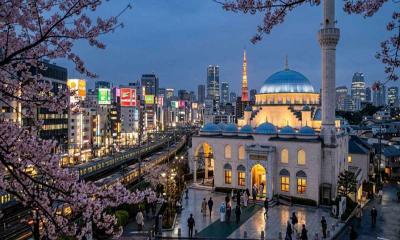
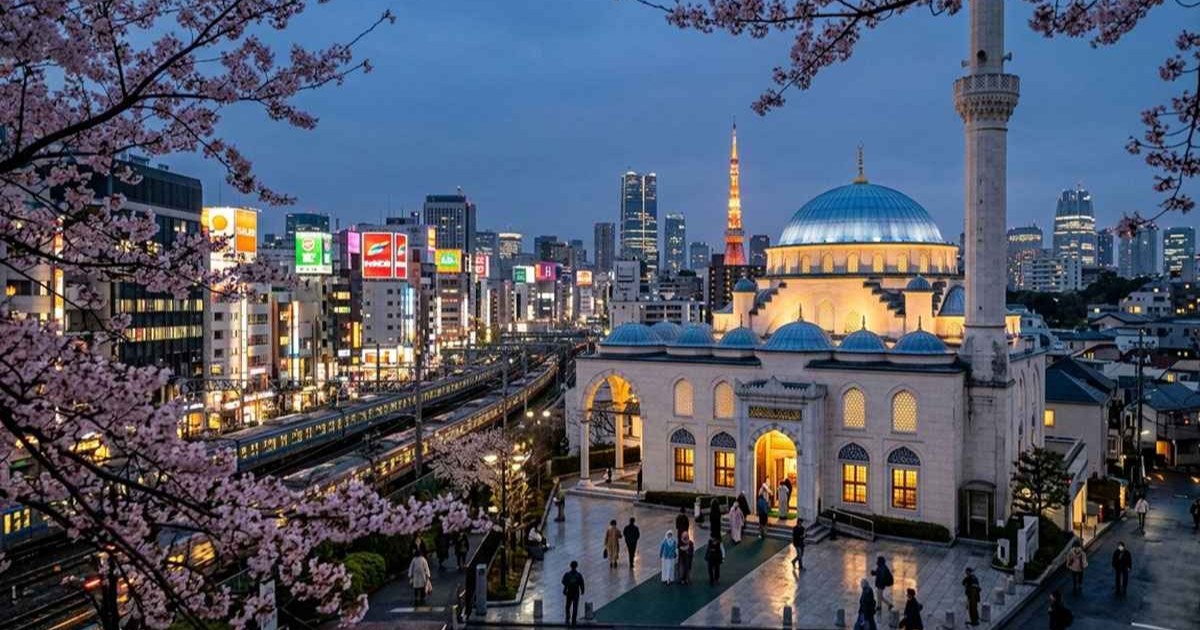
During the first half of the twentieth century, specifically between 1930 and 1945, Japan experienced a golden age of Islamic academic research as universities and state institutions sought to understand the Middle East. It was during this period that the first full translations of the Quran into the Japanese language were published, culminating in the establishment of the Tokyo Camii in 1938. Today, this beautiful Ottoman-style mosque stands as the largest Islamic architectural landmark in the country, serving not only as a place of worship but also as a primary cultural hub for non-Muslim Japanese citizens to learn about the faith.
In the contemporary era, digital connectivity and global trade have further accelerated local interest in Islam. The widespread availability of Japanese-language Islamic literature and localized educational content on digital platforms has lowered barriers to understanding. Concurrently, intercultural marriages between Muslim immigrants and Japanese nationals have given rise to a second-generation Muslim community that naturally bridges both identities. What remains unclear is how effectively the Japanese administration will adapt its existing legal frameworks to accommodate the unique civic needs of this permanently growing religious minority.