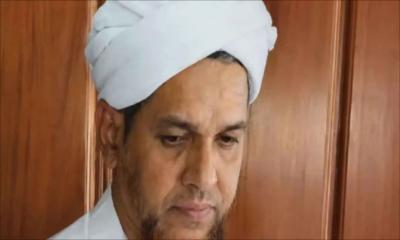
The Supreme Court of Israel rejected an appeal in Jerusalem on Tuesday by prominent Palestinian doctor Hussam Abu Safia, ordering his continued detention without any criminal charges, Al Jazeera reported. Following the judicial ruling, the director of Kamal Adwan Hospital in northern Gaza remains in solitary confinement at Nafha Prison under severe conditions. Human rights advocates confirmed that he continues to be denied necessary medical attention despite deteriorating physical health under foreign custody. His legal representative, Nasser Odeh, provided details via Physicians for Human Rights Israel, expressing deep concern over his treatment.
The Palestinian medical professional has been held under the controversial Unlawful Combatants Law for more than 500 days without an indictment. Israeli military forces abducted him in late 2024 during operational raids in the Gaza Strip after he refused forced displacement orders. Instead of abandoning his position, he chose to remain at the medical facility to provide life-saving treatment to wounded patients. His arbitrary arrest has drawn widespread condemnation from regional and international humanitarian networks monitoring the situation.
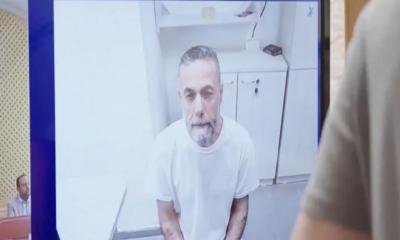
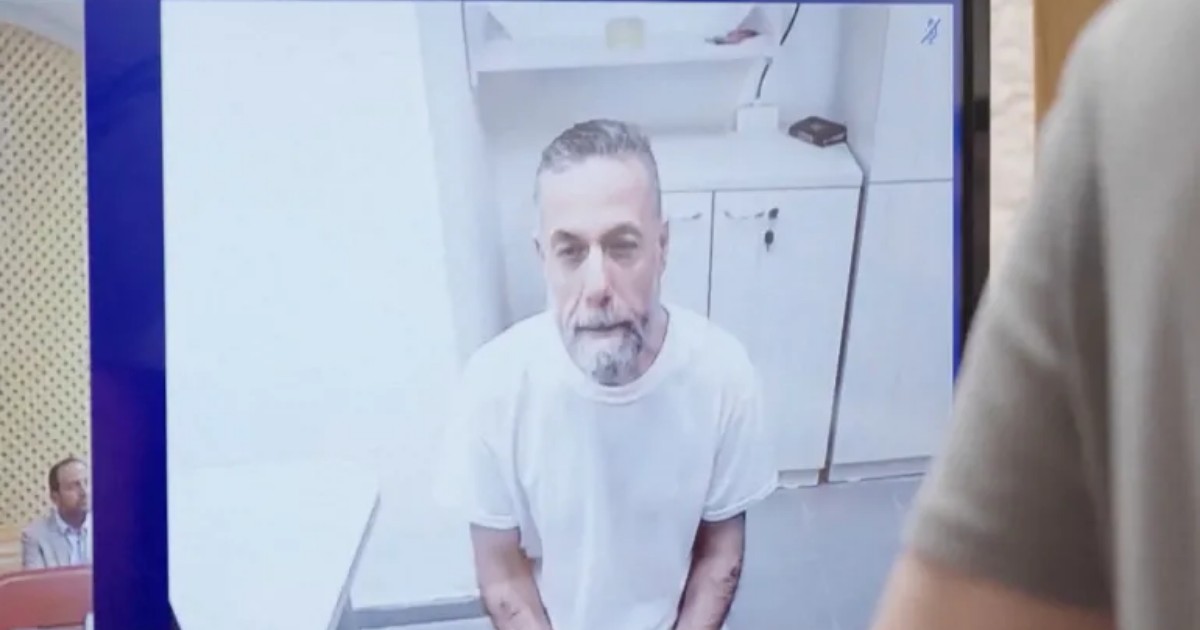
During a recent video link appearance before the court, the doctor appeared significantly thinner and showed visible signs of physical abuse. His family reported that he had been subjected to severe torture during his prolonged stay in the maximum-security facility. The Palestinian Centre for Prisoners Advocacy released a statement holding Israeli occupation authorities fully responsible for his safety. The organization urged immediate intervention from global bodies to secure his release and ensure proper medical compliance.
What remains unclear is why international human rights pressure has failed to alter the status of medical workers held in administrative custody. Organizations such as the World Health Organization and the International Committee of the Red Cross have been urged to pressure authorities regarding these unlawful detentions. Prior to his capture, the prominent physician was well known for broadcasting urgent appeals to the international community to halt targeted attacks on healthcare infrastructure. He had continued his medical duties even after his son Ibrahim was killed by a targeted drone strike near the hospital entrance.
Naji Abbas, the director of the Prisoners and Detainees Department at the human rights group, described the legal ruling as a profound moral and systemic failure. He noted that the endorsement of indefinite solitary confinement for a hospital director undermines fundamental principles of international jurisprudence. The decision has sparked renewed global debates regarding the protection of medical personnel in active conflict zones under humanitarian treaties. As the humanitarian crisis worsens, the ongoing targeted detention of professional staff leaves the local population with severely diminished access to essential healthcare resources.