European legal systems are facing scrutiny over the use of intelligence provided by Israel to prosecute Palestinian activists. According to Al Jazeera, several prominent figures have been put on trial across Europe, including Italy and the Netherlands, based on evidence Israel claims to have collected during military operations in Gaza. Legal experts and human rights organizations are increasingly questioning the validity and transparency of these materials.
Mohammad Hannoun, president of the Palestinian Association in Italy, was arrested in December on allegations of financing Hamas through charities. While Italian authorities initially acted on intelligence accusing him of moving over seven million euros, Italy`s Supreme Court of Cassation recently demanded a comprehensive re-evaluation of the evidence. The court noted that the provided material was overly generic, casting doubt on the legitimacy of the initial charges. Hannoun has consistently denied any wrongdoing, maintaining that his work has been strictly humanitarian.
A similar situation unfolded in the Netherlands, where Amin Abu Rashid, a Dutch national of Palestinian origin, faced years of legal battles over alleged Hamas financing. After spending a year in jail, Abu Rashid was acquitted by the Rotterdam District Court last month. The court found that the prosecution`s case, which relied heavily on Israeli government reports and unverified news articles, was insufficient to secure a conviction.
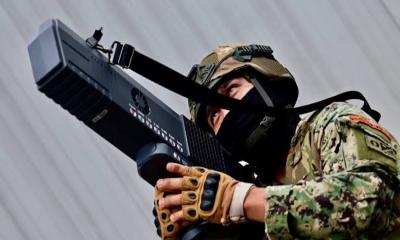
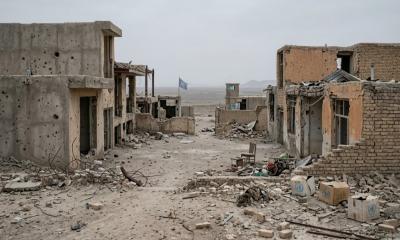
The core of the legal controversy lies in the use of so-called battlefield evidence. This term refers to material gathered by military forces during active combat. European legal standards require a strict chain of custody, meaning every piece of evidence must have documented records of seizure, transfer, analysis, and storage to be admissible in court. Defense lawyers argue that the materials sent by Israeli officials often lack this chronological documentation. In the case of Hannoun, documents were reportedly sent by an Israeli official whose personal details remained confidential, leaving the origin and reliability of the data unverifiable.
CAGE International, a UK-based advocacy group, described the trend as a dangerous development for the rule of law in Europe. They argue that relying on evidence from a state currently under investigation by international tribunals for war crimes and crimes against humanity compromises the integrity of European courts. The organization suggests that this practice is being used to suppress Palestinian civil society and criminalize activism against the state of Israel.
Legal experts representing the defendants emphasize that European authorities should not be uncritically adopting intelligence from a foreign state involved in an ongoing conflict. As these trials continue, the debate over whether European justice systems are being manipulated by foreign intelligence continues to grow. The legal challenges highlight a broader concern about how democratic nations handle information derived from combat zones when it lacks the rigorous verification required for a fair trial.