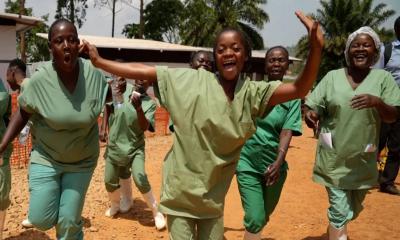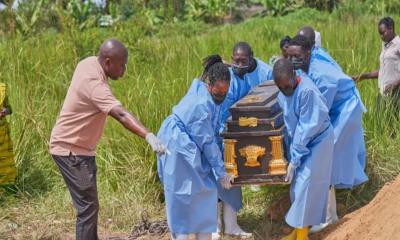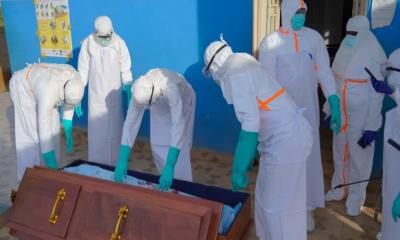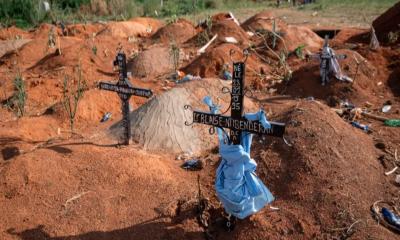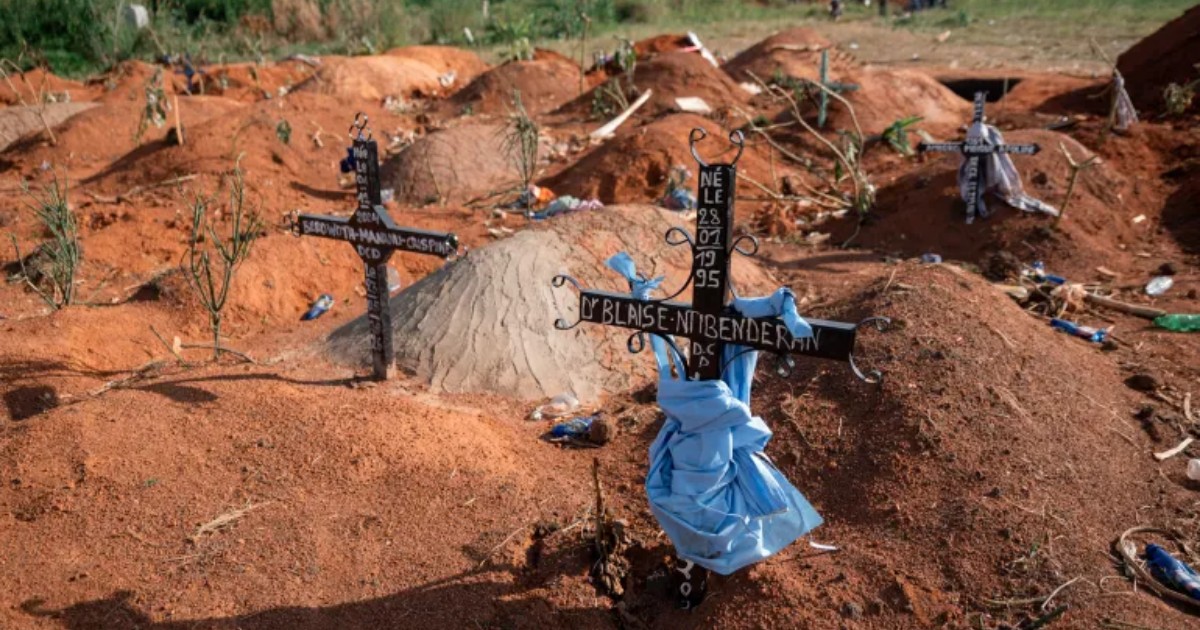
The rare Ebola epidemic in the eastern Democratic Republic of the Congo has not yet peaked and could last for another year, the international Red Cross warned on Tuesday, according to Al Jazeera and Reuters. Speaking via videolink from the eastern part of the country, Bruno Michon, operations manager for the International Federation of Red Cross and Red Crescent Societies, stated that the peak of the crisis lies ahead rather than behind. The disease is currently spreading rapidly across three provinces, including Ituri, North Kivu, and South Kivu, with Ituri accounting for nearly 95 percent of the documented cases. Because the virus is transmitted through bodily fluids even after death, managing safe burials has become an urgent but highly complicated task for response teams.
The epidemic of the rare Bundibugyo strain has already killed 192 people in the country, with health officials warning that the true scale of the virus remains unknown. Response teams assisting with community engagement and safe burials have faced significant social resistance, including verbal abuse, threats, and physical attacks in recent days. Michon emphasized that building trust within local communities requires honesty, patience, and humility, noting that community cooperation is life-saving rather than optional. The complex humanitarian environment, characterized by population displacement and ongoing regional insecurity, further restricts medical access and disrupts surveillance activities. Humanitarian organizations note that fear and misinformation are accelerating transmission by discouraging families from seeking early medical intervention or cooperating with contact tracing.
The World Health Organization officially declared the outbreak a public health emergency of international concern shortly after it was announced in May 2026. Despite a recent scale-up in international assistance, medical groups like Doctors Without Borders warn that dangerous gaps in diagnosis and contact tracing continue to undermine containment efforts. What remains unclear is the exact number of undetected cases in remote areas, as laboratory testing capacities remain constrained and many historical deaths are still under investigation. The introduction of this rare filovirus strain into an already fragile health system has placed the vulnerable regional population at risk of a wider humanitarian catastrophe.
Currently, there is no licensed specific vaccine or approved therapeutic treatment available for the Bundibugyo ebolavirus strain. Medical experts confirm that existing vaccines developed for the more common Zaire strain do not offer cross-protection against this specific virus. Consequently, clinical management relies heavily on intensive supportive care and the treatment of non-specific symptoms like fever, fatigue, and severe dehydration. While international agencies are working to fast-track clinical field trials for experimental treatments, local treatment centers remain overwhelmed by late-stage admissions. The detection of imported cases in neighboring Uganda has further heightened fears of a broader regional health crisis across East Africa.