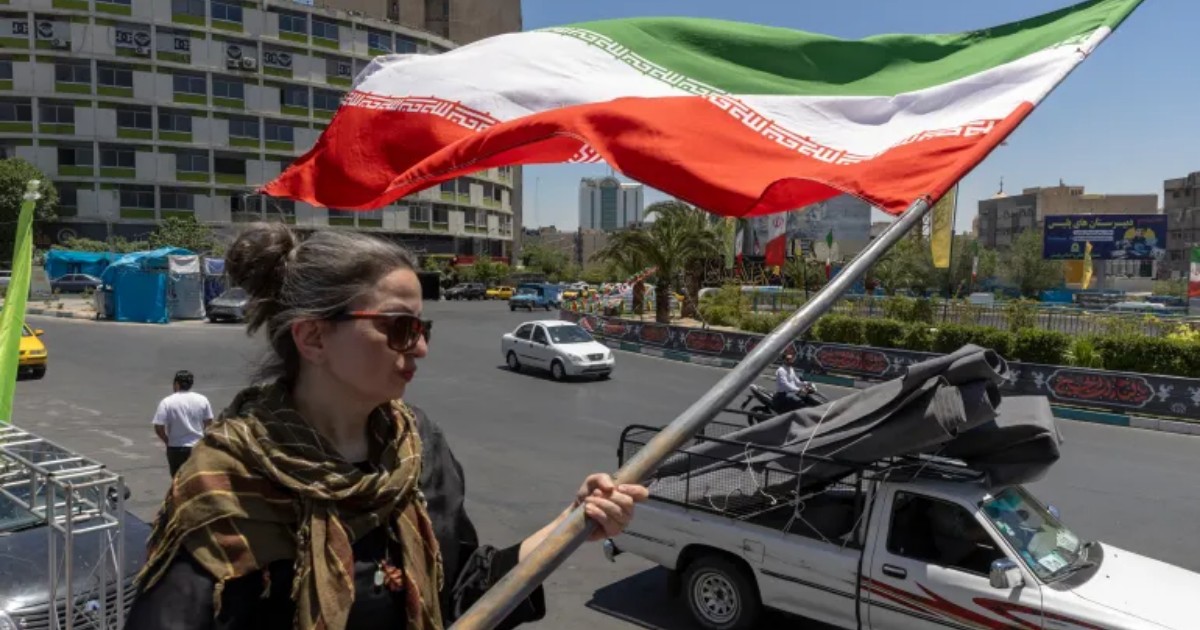
Severe political divisions have emerged among various internal factions in Tehran over the upcoming US-Iran Geneva deal, Al Jazeera reported from the Iranian capital. Following Sunday`s announcement that a memorandum of understanding had been reached between the two nations, domestic political tensions have rapidly intensified. Although the official in-person signing of the document is scheduled to take place this coming Friday in Switzerland, the subsequent implementation phase over the next few months remains a subject of fierce debate. Hardline factions within the political leadership view the agreement as a dangerous capitulation to the pressure exerted by the United States and Israel. In contrast, moderate and reformist groups express hope that the deal will secure crucial sanctions relief and bring a definitive end to the devastating conflict.
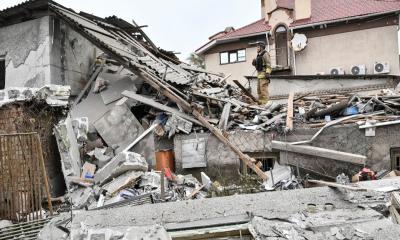
The military conflict, which began on February 28, 2026, following targeted US-Israeli airstrikes on Tehran, has reached a critical diplomatic turning point. Intensive international mediation efforts led by Pakistan resulted in a preliminary ceasefire framework on June 14, which has already been digitally approved by both leaderships. However, the long-term political viability of this US-Iran Geneva deal faces deep skepticism from various quarters of Iranian society. Many government officials and citizens remain profoundly distrustful of Western diplomatic assurances based on historical precedents.
Hardline Farsi publications and influential conservative politicians argue that Washington will inevitably renege on its commitments, thereby compromising Iran`s national security and regional deterrence capabilities. They maintain that defensive military readiness is the only reliable path to safeguarding the Islamic Republic against external aggression. On the other hand, pragmatists argue that an extended war would completely cripple the domestic economy and compound the hardships faced by ordinary citizens. What remains unclear is how Iran`s ultimate decision-makers will reconcile these conflicting factional positions to present a unified front during the upcoming negotiations.
Over the next 60 days, both nations are expected to enter intense negotiations regarding complex issues such as Iran`s nuclear program, uranium stockpiles, and the complete dismantling of economic blockades. Political analysts in Tehran note that if these talks fail to protect Iran`s strategic red lines, domestic opposition could force leadership to abandon the framework altogether. Similar ideological rifts were observed during the implementation of the 2015 nuclear accord, which ultimately collapsed after a unilateral American withdrawal. Consequently, the new US-Iran Geneva deal is not merely an international treaty but a critical test of internal political power dynamics inside Iran.