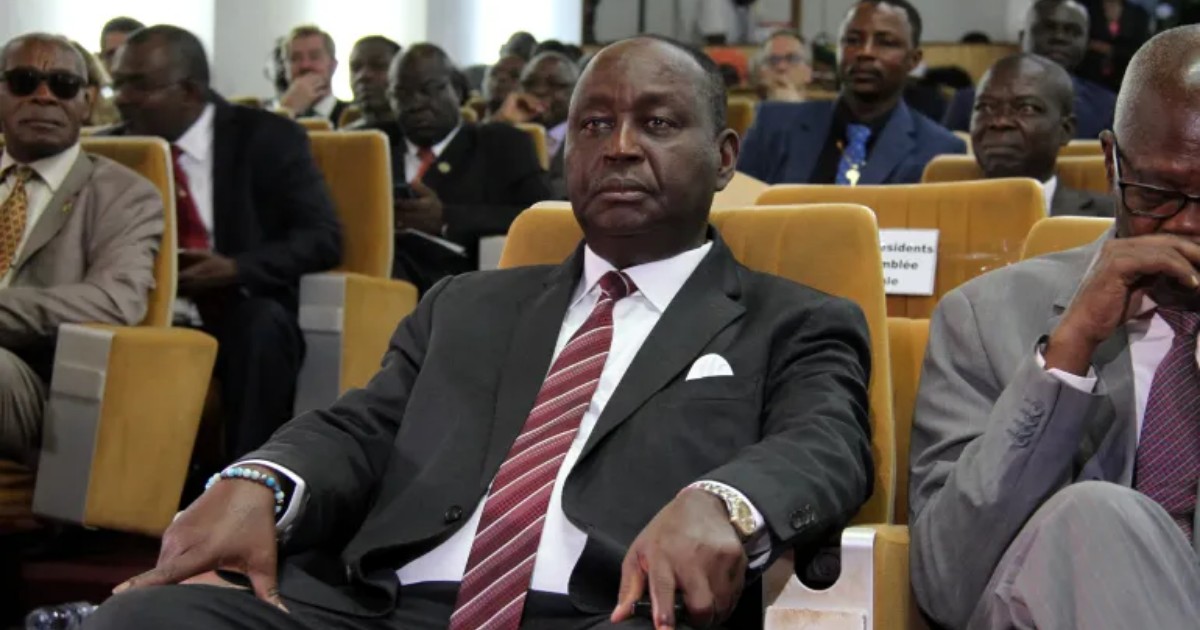
The Special Criminal Court (SCC) in the Central African Republic has officially opened the trial of former president Francois Bozize in absentia. The judicial proceedings concern allegations of crimes against humanity, including murder, enforced disappearances, torture, and rape. According to reports from Al Jazeera and AFP, Bozize is not present for the trial as he has been living in exile in Guinea-Bissau since March 2023.
Bozize, who seized power in a coup in 2003 and was later overthrown by rebels a decade later, faces severe scrutiny regarding his tenure. Along with the former leader, three senior military officers—Eugene Barret Ngaikosset, Vianney Semndiro, and Firmin Junior Danboy—are also facing legal action and are currently held in pre-trial detention within the Central African Republic.
The trial is being conducted in the capital, Bangui, by the Special Criminal Court. This tribunal is a unique hybrid jurisdiction, composed of both national judges from the Central African Republic and international jurists. In 2024, the court issued an international arrest warrant for Bozize as part of a broader investigation into atrocities committed by his Presidential Guard. These crimes allegedly took place at a civilian prison and a military training center located in the central town of Bossembele.
Judges have stated that there is serious and consistent evidence against Bozize that warrants his criminal liability. As a hierarchical superior and military leader, the court maintains that he holds responsibility for the systemic abuses carried out under his authority. The Central African Republic has endured waves of armed conflict and authoritarian regimes since gaining independence from France in 1960.
The Special Criminal Court has been tasked with investigating war crimes committed since 2003. Given the country`s turbulent history, the trial represents a significant effort to address long-standing impunity. Human rights organizations have long advocated for accountability in the region, citing the need for justice for victims of past regimes. While the proceedings are currently moving forward in the absence of the accused, the trial marks a notable development in the country`s pursuit of legal accountability. International observers are monitoring the case to see how the judicial process handles the complexities of hierarchical responsibility in a state that has been defined by years of political instability and violence.