A ceasefire agreement between the United States and Iran has raised hopes for an end to hostilities in Lebanon, though significant skepticism remains due to past violations and the current silence from Israeli officials regarding the deal. The agreement, reportedly mediated by Pakistan, includes the immediate and permanent cessation of military operations across all fronts, including Lebanon. Despite the announcement, observers warn that the situation on the ground remains fragile, and the path to stability is far from guaranteed.
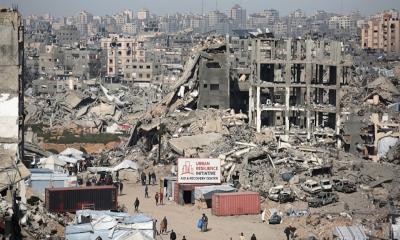
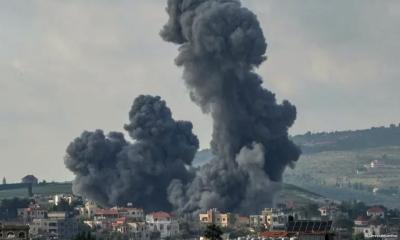
According to data reported by Al Jazeera, Israeli military actions since late February have resulted in at least 3,783 deaths and 11,699 injuries in Lebanon. The conflict has caused massive displacement, forcing an estimated 1.2 million people to flee their homes in southern Lebanon, Beirut`s southern suburbs, and the Bekaa Valley. Large swaths of territory remain under Israeli occupation, and many residential villages have been reduced to rubble. Lebanese authorities have cautioned residents from border areas against returning home until security conditions are fully clarified, as the destruction is widespread.
Ali Saleh, a 55-year-old resident of the southern village of Jwaya, has been living in a Beirut stadium since early March. Saleh stated that he does not intend to return, citing both the destruction of his home and the severe financial hardship currently facing his family. His experience reflects the harsh reality for thousands of people who have lost their livelihoods and properties. The war has essentially dismantled the social and economic fabric of the southern region, making the prospect of recovery a daunting challenge for civilians.
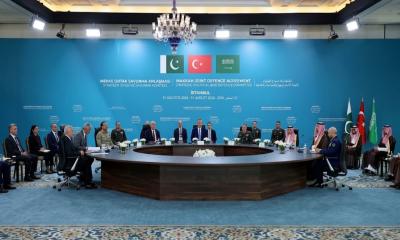
Political leadership in Lebanon, including President Joseph Aoun and Parliament Speaker Nabih Berri, have welcomed the agreement. They emphasized that this diplomatic breakthrough is a crucial step toward restoring state authority and national sovereignty. Berri expressed gratitude to regional mediators, including Pakistan, Qatar, Saudi Arabia, and Egypt, for their efforts in pushing for a clause to halt Israeli aggression. However, given that this is the second time in under two years that the country has faced such an intensification of war, and considering the history of broken agreements, the Lebanese public remains cautious. Whether these commitments translate into lasting peace or suffer the fate of previous failed accords depends entirely on the adherence of all parties involved in the coming days.