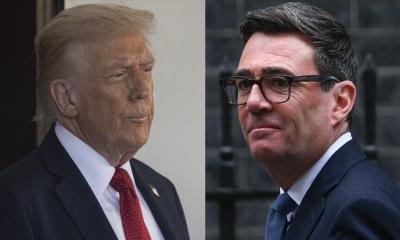
The United States and Iran have signed an electronic memorandum of understanding (MoU) to end a 109-day conflict that has claimed thousands of lives. US President Donald Trump confirmed that the document is signed, with the Strait of Hormuz set to be fully reopened by Friday. Reuters and AFP report that the agreement bears the signatures of President Trump, Vice President JD Vance, and Iranian Parliament Speaker Mohammad Bagher Ghalibaf.
The MoU, details of which remain partially public, aims to cease hostilities on all fronts, including Lebanon, and lift the US naval blockade on Iranian ports. The formal signing ceremony is expected to take place in Switzerland this Friday, triggering a 60-day window for follow-up negotiations concerning Iran’s nuclear program and the potential easing of economic sanctions. President Trump declared that the Strait of Hormuz will be open to all traffic, while Vice President Vance confirmed there would be no transit tolls during the negotiation period.
Conflicting reports have emerged regarding the financial terms of the deal. While a senior Iranian official claimed the US had agreed to release $25 billion in frozen assets and waive oil sanctions, Vice President Vance vehemently denied these assertions, stating that not a single dollar of sanctions relief has been authorized by Washington or its allies. Vance described the MoU as a general document, approximately a page and a half in length, with further details expected to be released shortly.
Political reception within the United States is deeply polarized. While President Trump has framed the deal as a significant victory for the American people, Democratic lawmakers have expressed skepticism. Senator Richard Blumenthal compared the outcome to the Suez Crisis, questioning the long-term strategic implications of the agreement. Republican Senator John Thune indicated that Congress expects to be briefed on the specific terms of the deal, hinting at the possibility of a legislative vote.
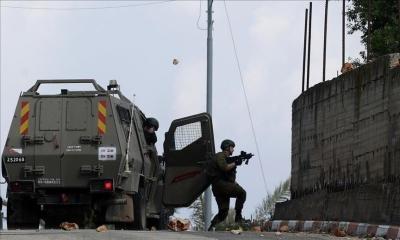
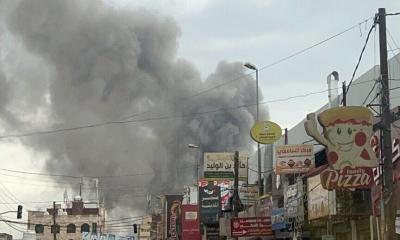
Regional dynamics remain volatile, particularly concerning Israel. Prime Minister Benjamin Netanyahu has stated that Israeli military operations in southern Lebanon will continue, disregarding the US-Iran framework. Members of the Israeli cabinet have explicitly stated they are not bound by the agreement and continue to call for strikes against Hezbollah. Meanwhile, humanitarian concerns persist in Lebanon, where thousands of displaced people are returning to significant infrastructure destruction.
Global reactions have been varied. Ukrainian Foreign Minister Andrii Sybiha expressed hope that the development might encourage the US to prioritize ending the conflict with Russia. Conversely, Japan’s Chief Cabinet Secretary Minoru Kihara voiced concerns over the continuation of Israeli attacks in Lebanon. As global oil markets react with a slight increase in prices, the international community watches closely to see if the 60-day window will lead to a sustainable reduction in regional tensions.