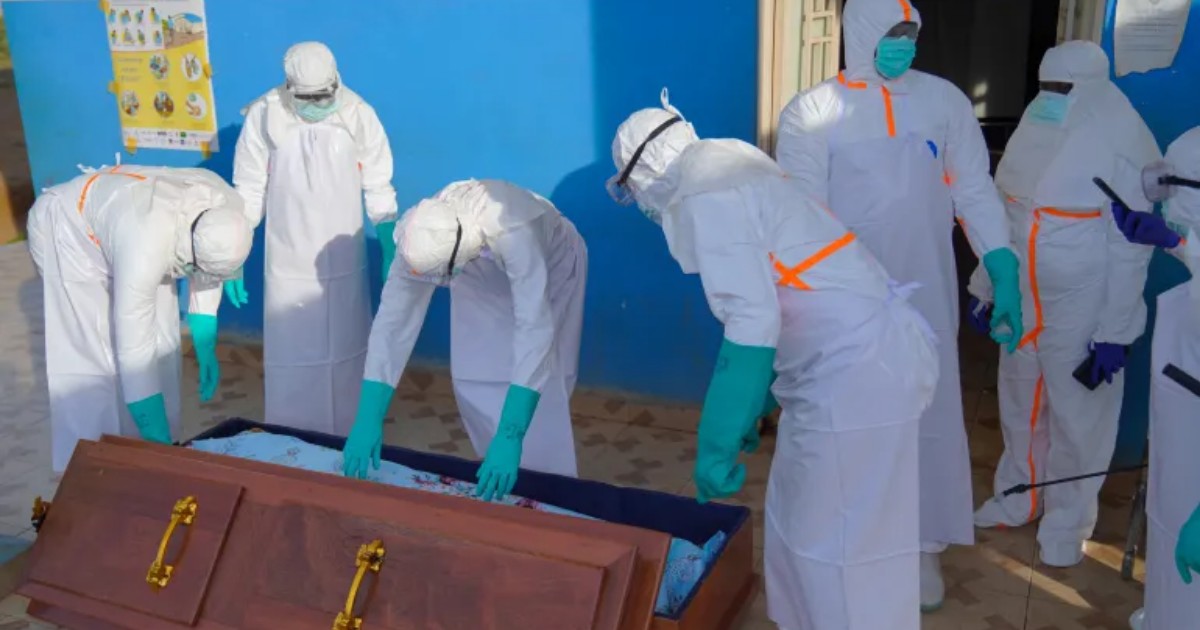
The Ebola outbreak in the Democratic Republic of the Congo (DRC) has reached a critical juncture as the death toll climbs to 101 confirmed fatalities. Government officials reported a surge in the infection rate, with 35 new cases and 10 additional deaths recorded in the last 24 hours alone. These figures bring the total number of confirmed cases to 550, signaling that the viral spread is continuing to outpace current containment efforts.
The outbreak, which involves the Bundibugyo strain of the virus, was officially announced on May 15. However, health authorities have since acknowledged that the initial transmission went undetected for several weeks. This delay allowed the virus to gain a foothold in densely populated and remote areas, leaving medical teams scrambling to catch up. The failure to identify the early onset has compounded the difficulty of controlling the virus in a region already suffering from systemic instability.
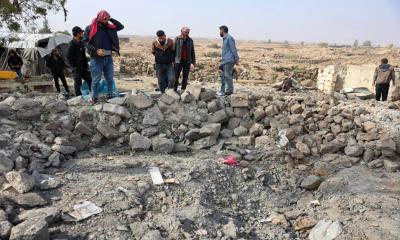
The health crisis is currently concentrated in three provinces that have been plagued by long-standing armed conflict: Ituri, North Kivu, and South Kivu. The DRC government’s latest situation report indicates that the virus has permeated 17 health zones in Ituri, seven in North Kivu, and one in South Kivu. The humanitarian response in these areas is being severely restricted by the presence of numerous armed factions.
Researchers have identified that over 120 armed groups operate within these three provinces. The region is characterized by deep-seated ethnic tensions, political rivalries, and violent competition over control of valuable natural resources. This volatile security environment has made it nearly impossible for medical workers to access affected health zones safely. In many instances, the conflict prevents the deployment of life-saving supplies, vaccines, and trained personnel, effectively creating pockets where the virus can spread unchecked.
While the government noted that Bunia, the capital of Ituri, remains relatively calm, the outlying regions are effectively cut off from adequate care. The combination of the Bundibugyo strain’s high transmission rate and the refusal of local armed groups to allow humanitarian access has created a perfect storm for a sustained epidemic.
International health agencies are monitoring the situation with increasing alarm, warning that if the security situation does not stabilize, the ability to contain the outbreak will be severely compromised. Without secure corridors for health workers to conduct contact tracing and provide treatment, the mortality rate is expected to rise further. The DRC remains in a race against time, struggling to manage a lethal biological threat amidst a persistent and chaotic military conflict.