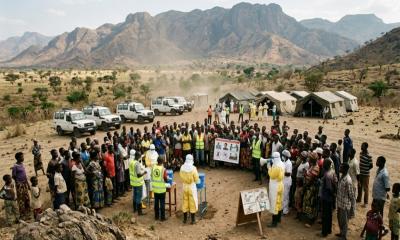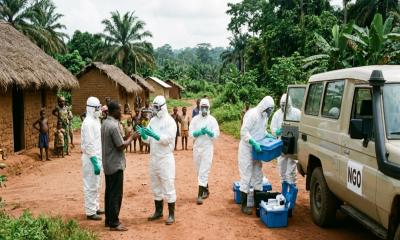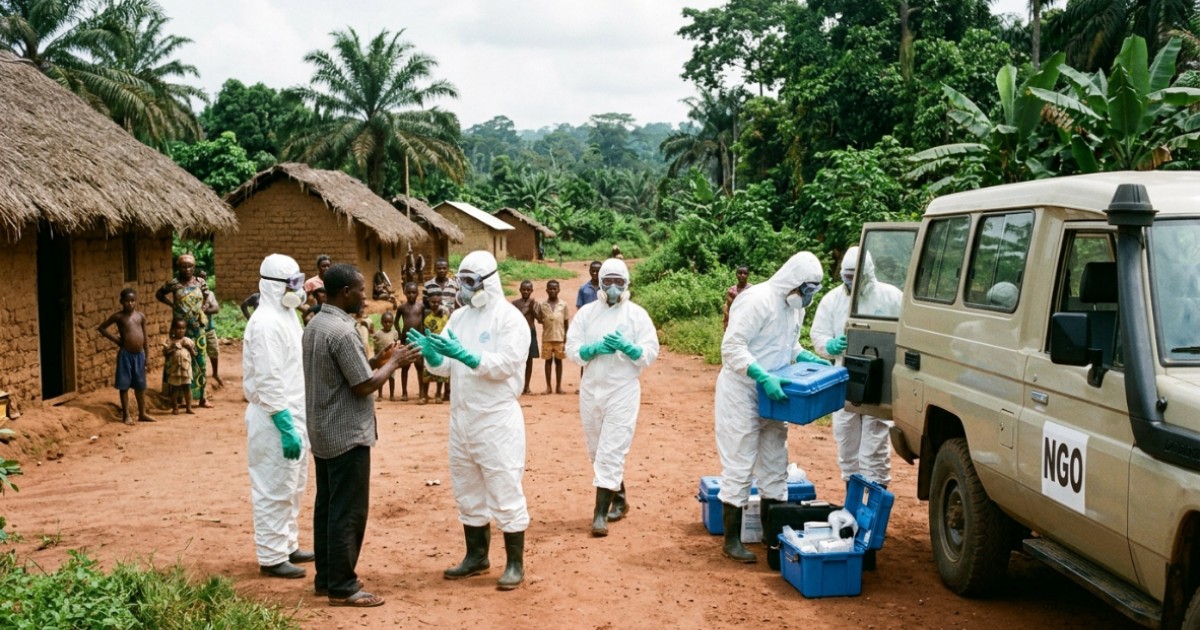
The Ebola outbreak currently ravaging the Democratic Republic of the Congo was triggered by a novel transmission from animals to humans rather than variants linked to earlier outbreaks, according to a study published in the medical journal Nature Medicine. The virus in the eastern region of the country has claimed more than two thousand lives out of four thousand four hundred and forty-nine recorded cases, establishing it as the fastest-moving Ebola outbreak on record. The health emergency was formally declared on May 15, though subsequent genetic sequencing revealed that the virus had been circulating undetected since February.
On Wednesday, the World Health Organization reported that the current Bundibugyo strain of the Ebola virus is spreading faster than local health authorities can contain it and is on track to become the deadliest recorded epidemic of its kind. Scientists investigating the origins of the surge have discovered that the spillover occurred through direct contact between humans and wildlife in remote forested areas. Unlike previous regional outbreaks driven by human-to-human transmission chains stemming from known reservoirs, this latest wave originated from an independent animal-to-human transmission event, presenting unique epidemiological challenges for medical response teams.
The rapid acceleration of the outbreak has overwhelmed local healthcare infrastructure in the conflict-affected eastern provinces. Healthcare workers have faced severe operational hurdles, including localized strikes over unpaid wages and security concerns that temporarily disrupted contact tracing and vaccination campaigns earlier in the year. These disruptions allowed the virus to propagate unchecked through densely populated rural settlements before emergency containment protocols could be fully deployed by international agencies and national health ministries.
Public health officials note that containment efforts are being hampered by logistical difficulties and community resistance rooted in historical distrust of medical interventions. Mobile laboratories and specialized treatment centers have been established across high-risk districts to diagnose suspected cases promptly and isolate infected individuals. The World Health Organization is accelerating clinical trials for experimental vaccines and therapeutics tailored specifically to neutralize the Bundibugyo strain, though manufacturing and distribution bottlenecks remain significant obstacles.
Researchers are conducting ongoing field studies to pinpoint the exact animal reservoir responsible for the initial spillover event, analyzing ecological factors and local bushmeat handling practices. Understanding the precise ecological triggers is considered vital for preventing future cross-species transmissions in vulnerable rural communities where human encroachment on natural habitats is increasing. What remains unclear is whether the current strain possesses mutations that enhance its transmission efficiency between humans compared to historical strains documented in previous decades.
As international medical teams race to establish robust surveillance networks across provincial borders, local authorities have intensified public education campaigns regarding safe burial practices and early symptom reporting. The ongoing crisis has underscored the persistent vulnerability of regional healthcare systems to sudden zoonotic spillovers amid chronic underfunding and geopolitical instability. International donors have pledged additional financial and logistical support to sustain response operations over the coming months, but health experts warn that containing the epidemic will require sustained, coordinated intervention across all affected jurisdictions.