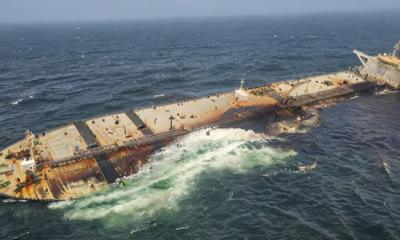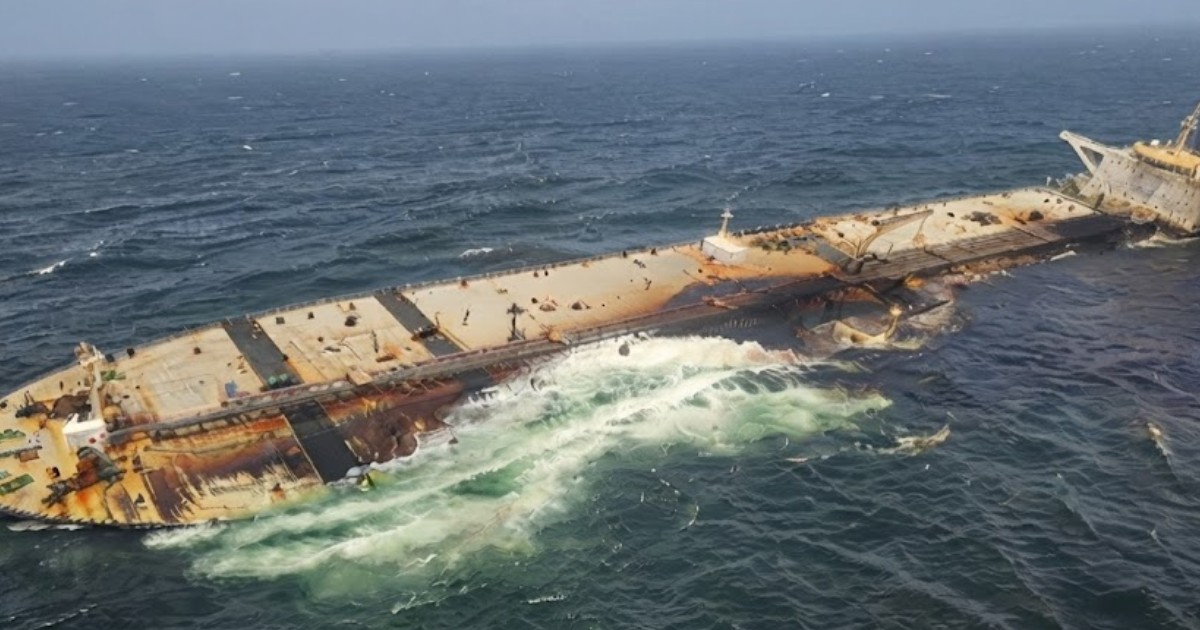
A massive oil spill from a leaking tanker has reached Oman`s coastline, threatening to become one of the worst environmental disasters in the region in recent years. The country`s environment agency confirmed on Wednesday that the crude slick had drifted ashore after spreading largely unchecked for several weeks following a maritime accident. International news agencies including Al Jazeera and Reuters reported that the pollution is currently concentrated around sensitive ecological reserves along the southern Omani coast.
Earlier in the week, Omani environmental monitors estimated that the spill had affected roughly three hundred and ninety square kilometers of marine territory. Independent analysis of satellite imagery by oil spill specialists indicated that the expanding slick has now surpassed two thousand square kilometers in total surface area. Officials warned that approximately forty kilometers of coastline near Ras Madraka, as well as parts of Masirah Island, face immediate contamination risks from the drifting crude.
The source of the leakage has been identified as the Caroline Bezengi, a vessel that ran aground approximately twenty-two nautical miles from the coastal town of Sharbithat. The ship encountered trouble after the crew reported a suspected explosion on June 8 while navigating from a Russian Black Sea port toward India. Open-source shipping databases indicate that the vessel was carrying an estimated eight hundred thousand barrels of oil and operated as part of Russia`s shadow fleet to circumvent Western sanctions.
Maritime security investigators noted that the stricken vessel had previously passed through the Suez Canal and the Red Sea before drifting toward Omani waters. Advocacy groups such as Greenpeace have warned that the massive volume of crude poses an immediate threat to rare sea turtles and protected marine ecosystems in the Hallaniyat Archipelago. Environmental experts emphasize that because shadow fleet vessels frequently lack standard insurance and regulatory compliance, managing the cleanup operations presents an unprecedented financial and logistical challenge for regional authorities.
The incident coincides with a sharp rise in regional maritime tensions and tanker incidents stemming from ongoing geopolitical conflicts across the Middle East. Iranian state media simultaneously reported a separate oil spill affecting Qeshm Island in the Strait of Hormuz, highlighting widespread vulnerabilities in Gulf shipping lanes. As international organizations monitor the unfolding ecological crisis, local emergency response teams continue containment efforts along the affected Omani beaches to mitigate long-term environmental damage.
The International Maritime Organization has expressed deep concern over the frequency of shipping incidents and environmental hazards in critical Middle Eastern waterways. Regional governments and maritime stakeholders are facing mounting pressure to establish more robust oversight mechanisms for aging commercial carriers operating outside standard regulatory frameworks. Environmental scientists stress that without coordinated international intervention, the long-term ecological consequences for regional marine life could persist for decades. What remains unclear is how local authorities will secure adequate financial compensation for the extensive cleanup operations required to restore the fragile coastal habitats.
As cleanup crews deploy containment booms and sorbent materials along the rocky shores, local communities brace for the economic fallout affecting regional fisheries and tourism. Environmental advocates continue to call for stricter enforcement of maritime safety protocols to prevent similar disasters from occurring along vital trade routes. Government ministries in Oman have assured the public that emergency response units will maintain round-the-clock monitoring until the threat is fully neutralized.