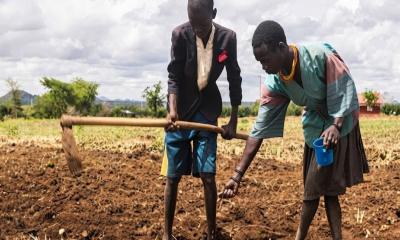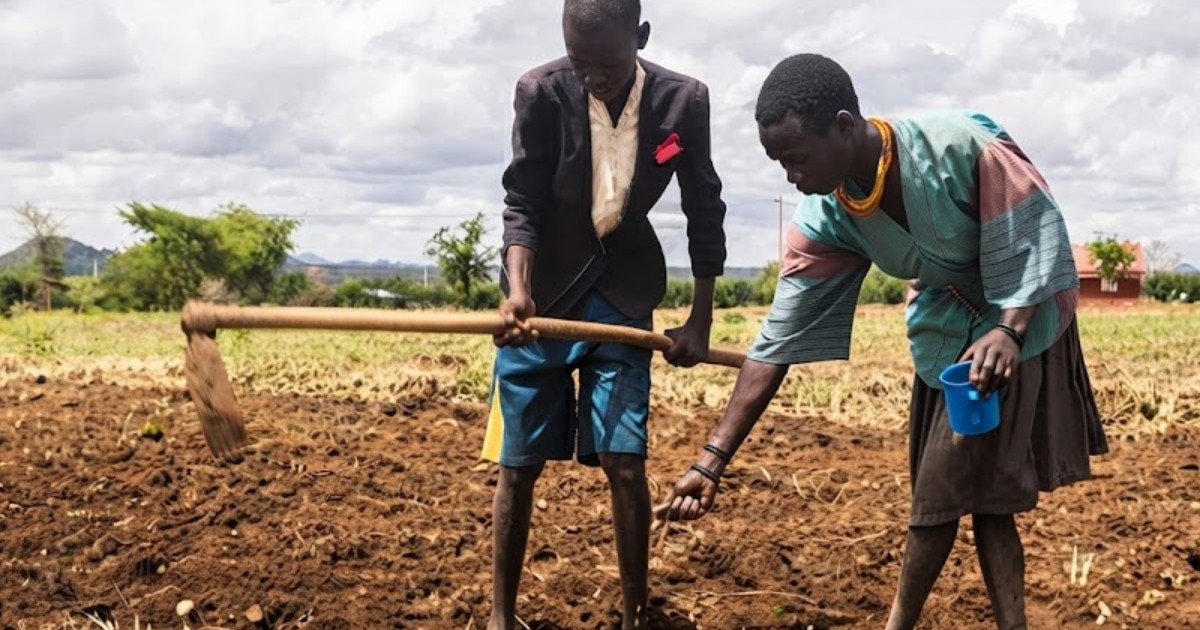
A profound hunger crisis is unfolding across Uganda as the East African nation grapples with its most devastating drought in decades. According to reports from Al Jazeera and AFP, agricultural production has collapsed, and vulnerable families are losing loved ones as food insecurity deepens across the northeastern Karamoja region and the wider Horn of Africa. The Famine Early Warning Systems Network reports that at least nineteen individuals have already starved to death in Karamoja, while approximately one point five million people remain at severe risk of acute malnutrition.
The worsening catastrophe has forced the Ugandan government to initiate emergency food distribution efforts in the hardest-hit areas. However, the unprecedented scale of the drought has evoked painful memories of the catastrophic hunger crisis of two thousand and twenty-two, which claimed more than two thousand lives. Local communities, heavily dependent on subsistence farming and livestock rearing, find their traditional livelihoods entirely upended by consecutive failed rainy seasons and escalating environmental degradation.
Researchers attribute the ongoing emergency primarily to accelerating climate change and erratic weather patterns across the region. The absence of reliable seasonal rainfall has depleted water tables, withered crops, and decimated livestock herds upon which rural families depend for survival. Humanitarian organizations emphasize that recurring droughts are becoming increasingly frequent and severe, eroding the resilience of local populations and overwhelming existing coping mechanisms.
While emergency food assistance provides a temporary lifeline, experts argue that short-term relief is wholly insufficient to address the systemic nature of the crisis. Sustainable interventions—including investment in drought-resistant crops, modernized irrigation infrastructure, and long-term climate adaptation strategies—are urgently required to protect vulnerable communities from future shocks. As international aid agencies scale up operations, the plight of Uganda`s rural poor underscores the urgent need for coordinated global action against the escalating impacts of climate change across East Africa.