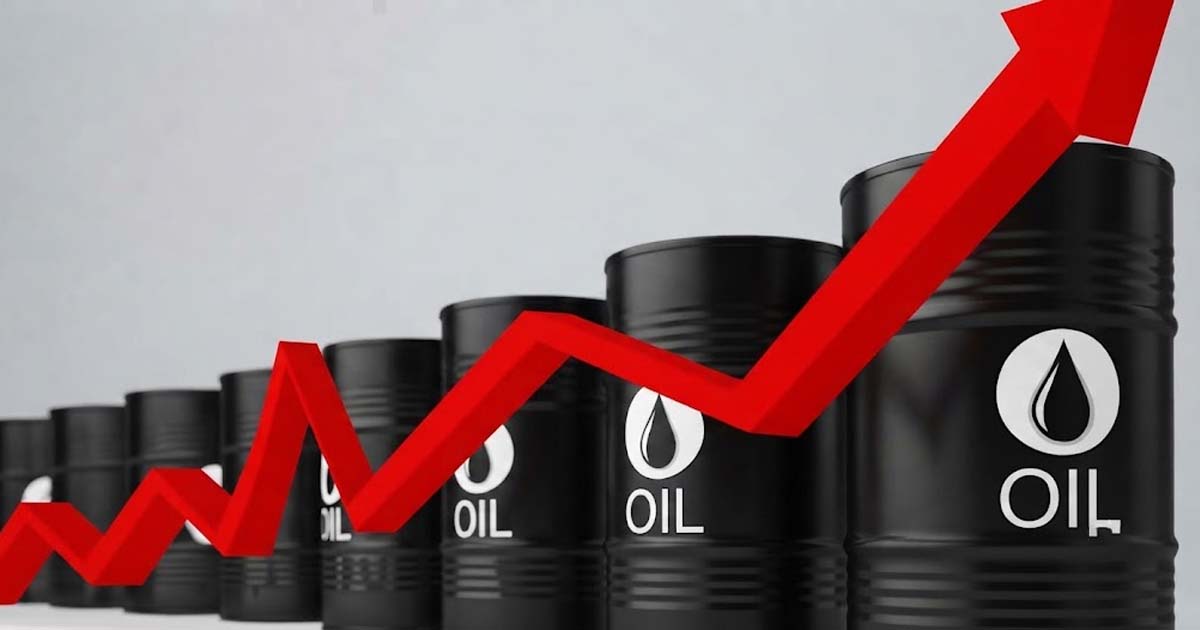
Global financial markets are absorbing the immediate economic shock of escalating military conflicts across the Middle East. Following coordinated US-Saudi strikes inside Iraq and retaliatory Iranian missile barrages targeting United States installations, international crude oil prices surged by nearly five percent. According to comprehensive reports from Reuters and Al Jazeera, the sudden spike has renewed profound anxieties regarding international energy security and global trade stability. The fragile calm that had temporarily settled over commodity markets has been thoroughly dismantled by the latest round of regional hostilities.
Market data provided by Reuters indicates that benchmark Brent crude experienced a sharp upward trajectory, jumping significantly to reach its highest valuation since May. Simultaneously, the United States benchmark West Texas Intermediate witnessed comparable gains, reflecting widespread market panic over potential supply chain disruptions. The sharp correction reversed several days of downward momentum that had previously followed temporary lulls in direct engagements between Washington and Tehran. However, the unexpected escalation triggered by the Islamic Revolutionary Guard Corps launching ballistic missiles at regional military assets quickly erased those modest gains.
The underlying catalyst for the renewed market turbulence stems directly from the widening theater of conflict. Following drone attacks on critical petroleum infrastructure in Saudi Arabia, military forces from Riyadh and Washington executed joint airstrikes targeting Iran-aligned armed groups across multiple provinces in Iraq. Analysts emphasize that the geographical spread of these hostilities directly threatens vital logistical choke points, most notably the Strait of Hormuz, through which a substantial percentage of the world`s petroleum supply transit daily.
Commodity strategists and financial analysts warn that persistent instability in the region creates an enduring upward pressure on energy costs. UBS analyst Giovanni Staunovo noted that the combination of active military engagement and tangible threats to maritime petroleum flows naturally forces traders to reprice geopolitical risk premiums. Furthermore, ongoing discussions by regional factions regarding potential transit restrictions in the Red Sea add another layer of operational uncertainty for international shipping lanes and commercial freight carriers.
The broader macroeconomic implications of sustained high energy prices present significant challenges for central banks worldwide as they struggle to manage persistent inflationary pressures. If geopolitical tensions continue to restrict production and distribution channels, consumers and industrial sectors alike will likely face prolonged economic friction. While international diplomats scramble to establish de-escalation frameworks, the immediate trajectory of energy markets remains inextricably tied to the volatile security landscape of the Middle East. The unfolding crisis serves as a stark reminder of how rapidly regional warfare can reverberate through the intricate machinery of the global economy.