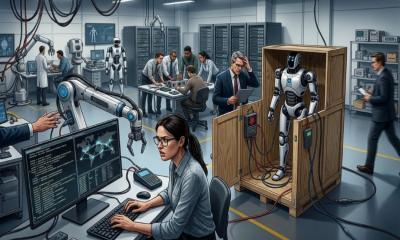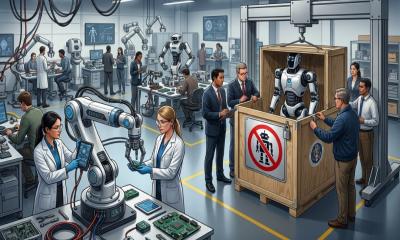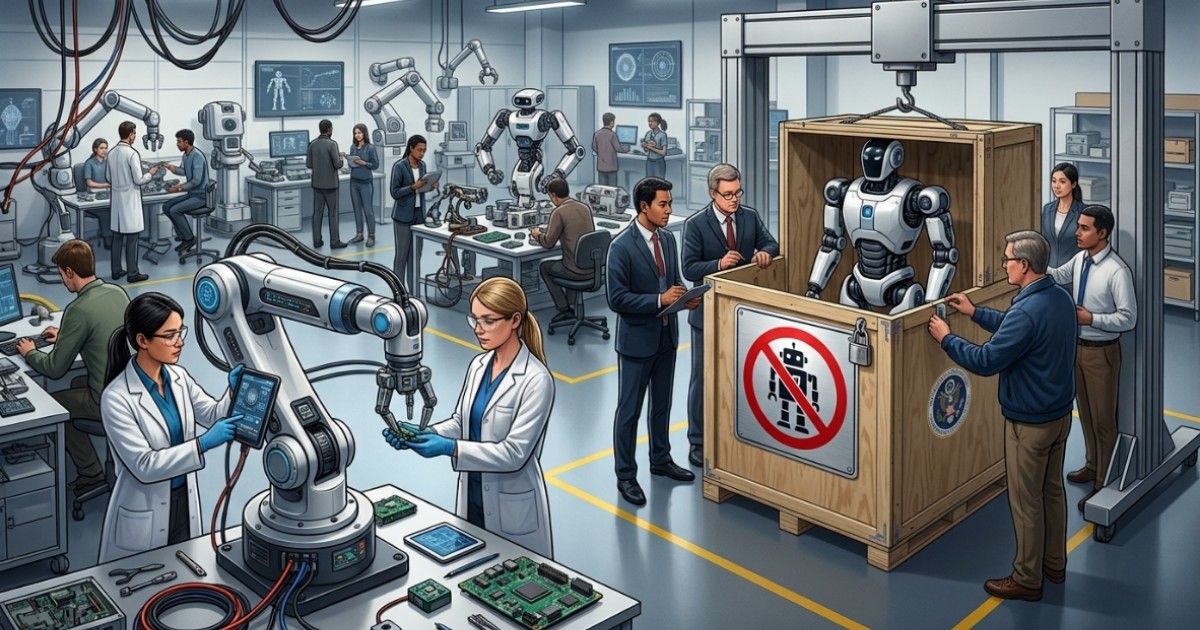
In a major escalation of technology-driven geopolitical competition, the United States administration has imposed a comprehensive ban on the import of new humanoid and quadruped robots from China. Citing pressing national security concerns, President Donald Trump`s administration moved to restrict advanced automated hardware that currently dominates the global market. According to comprehensive reports from BBC News and Reuters, the sweeping regulatory action primarily targets Chinese robotics manufacturers, who account for approximately eighty-five percent of the worldwide supply of advanced humanoid units.
The United States Federal Communications Commission announced the formal restriction, warning that network-connected robotic systems could potentially be exploited for espionage, data collection, and surveillance against American citizens. Policymakers in Washington expressed grave concern that hostile foreign actors or malicious hackers could leverage remote access vulnerabilities to hijack operational control of critical hardware deployed across domestic infrastructure. Consequently, the regulatory body enacted strict limitations on future model approvals, though previously authorized devices currently in circulation remain exempt from immediate prohibitions.
Beyond mobile robotics, the sweeping federal directive extends to Chinese-manufactured power inverters utilized within data centers and solar energy installations. Authorities emphasized that foreign-built power conversion equipment introduces unacceptable risks, including potential remote shutdowns, unauthorized data extraction, and deliberate sabotage of the domestic power grid. By severing reliance on overseas hardware components, the administration aims to fortify domestic supply chains against perceived foreign interference and systemic cyber threats.
International analysts note that the punitive trade measures will severely impact prominent Chinese robotics pioneers such as Unitree, UBtech, and AGIbot. These enterprises had successfully captured substantial market share globally by producing cost-effective automated platforms widely sought after by Western research institutions and commercial developers. With the American market now effectively closed, domestic innovators such as Tesla and Figure AI gain a strategic advantage to expand their market presence and challenge overseas dominance within the burgeoning robotics sector.
The diplomatic fallout was immediate, with official representatives from Beijing condemning Washington`s protectionist maneuver. The Chinese embassy in Washington argued that the United States is weaponizing trade policy under unfounded pretexts, warning that such measures undermine fair competition and harm international consumers. Meanwhile, the Chinese Foreign Ministry vowed to take necessary countermeasures to defend the legitimate rights and interests of domestic technology enterprises. As technological nationalism reshapes global commerce, the unfolding robotics standoff highlights the deepening fracture within the international supply chain.