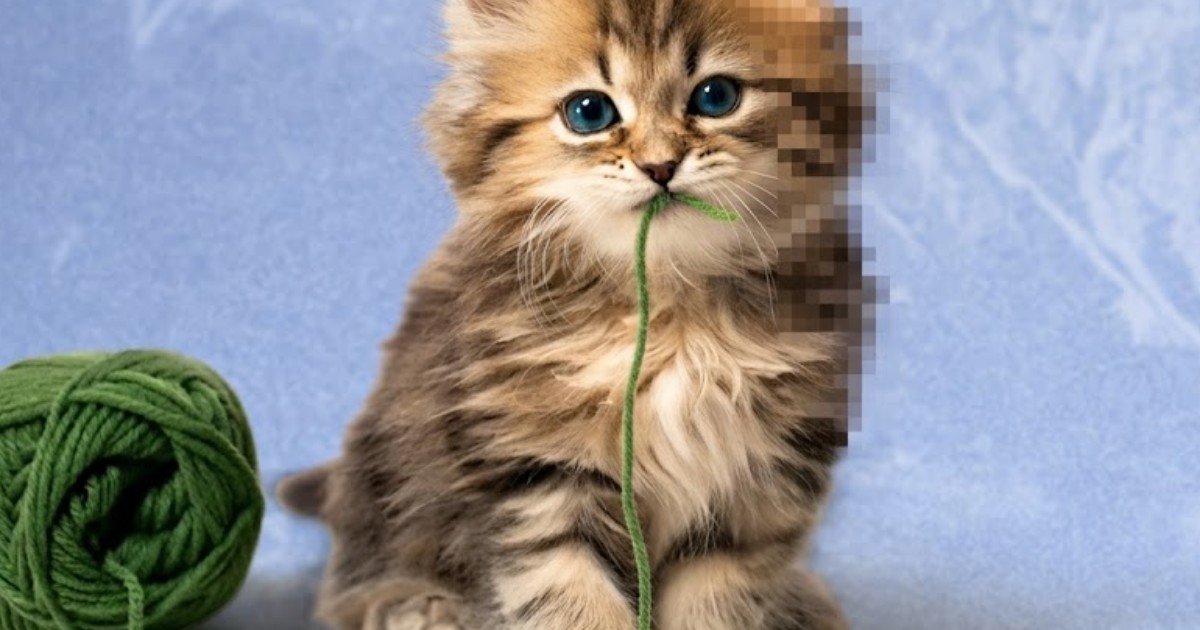
For decades, cute animal videos served as one of the few reliable sources of unadulterated joy on an internet increasingly dominated by anger, political division, and endless clickbait. From the early days of Keyboard Cat and Grumpy Cat to modern viral clips of playful puppies and kittens, these moments offered a brief respite from the harsh realities of the daily news cycle. However, the rapid proliferation of artificial intelligence is fundamentally altering this digital landscape. Today, watching a heartwarming video of an animal no longer brings immediate comfort; instead, it triggers a lingering sense of suspicion. Viewers are left wondering whether the charming scene before them actually happened or if it was entirely manufactured by a computer algorithm.
This psychological shift highlights a troubling transformation in how humans experience digital content. Media scholars note that the core appeal of cute animal videos has always been rooted in authenticity—the shared, mutual understanding that a living creature experienced a moment of genuine joy on the other side of the screen. When artificial intelligence steps into this equation, it strips away that fundamental connection. The emotional resonance feels hollow, engineered, and ultimately fraudulent. Viewers find themselves scrolling through comment sections, desperately searching for clues or confirmation from other users about whether a video is real, transforming what should be a moment of spontaneous delight into an exercise in forensic skepticism.
The implications of this trend extend far beyond harmless pet clips. Industry experts warn that cute and innocent AI-generated animal videos are serving as the friendly gateway drug to a much more dangerous normalization of digital deception. When users become accustomed to accepting fabricated cats and dogs without a second thought, that same tolerance easily extends to more consequential fakes. Recent history has already shown how convincing AI imagery can be weaponized during major crises. During catastrophic natural disasters, fake viral images generated by artificial intelligence have been shared widely by prominent political figures and ordinary citizens alike, often with the defense that the images felt emotionally true even if they were factually false.
The rise of synthetic media poses an immediate and severe economic threat to human content creators. Independent videographers, animal rescuers, and professional creators who spend hours capturing authentic moments in the real world now find themselves forced to compete against algorithmic rivals that require no sleep, no rest, and can churn out endless streams of hyper-realistic content in mere seconds. This uneven playing field threatens to marginalize thoughtful, high-quality human storytelling while flooding digital feeds with low-effort artificial slop designed solely to capture fleeting attention spans and ad revenue.
The broader cultural consequences are already becoming apparent in daily interactions. Social media users frequently share fabricated clips without realizing their artificial origins, only to experience acute embarrassment and deep-seated frustration when the truth is revealed. This constant exposure to manufactured reality breeds a pervasive cynicism. People begin to feel that there is no safe harbor left online where they can trust what they see with their own eyes. As trust in digital media erodes, the foundational fabric of online community building begins to fray at the edges.
Addressing this looming crisis requires a multi-faceted approach involving platform accountability, technological watermarking, and heightened digital literacy among everyday users. Major social media companies face mounting pressure to clearly label synthetic media and prevent algorithmic loops from amplifying deceptive content at the expense of authentic human creation. Without concerted intervention to preserve truth and transparency, the internet risks devolving into a hall of mirrors where nothing is genuine, and the simple joy of sharing a heartwarming moment with the world is lost forever.