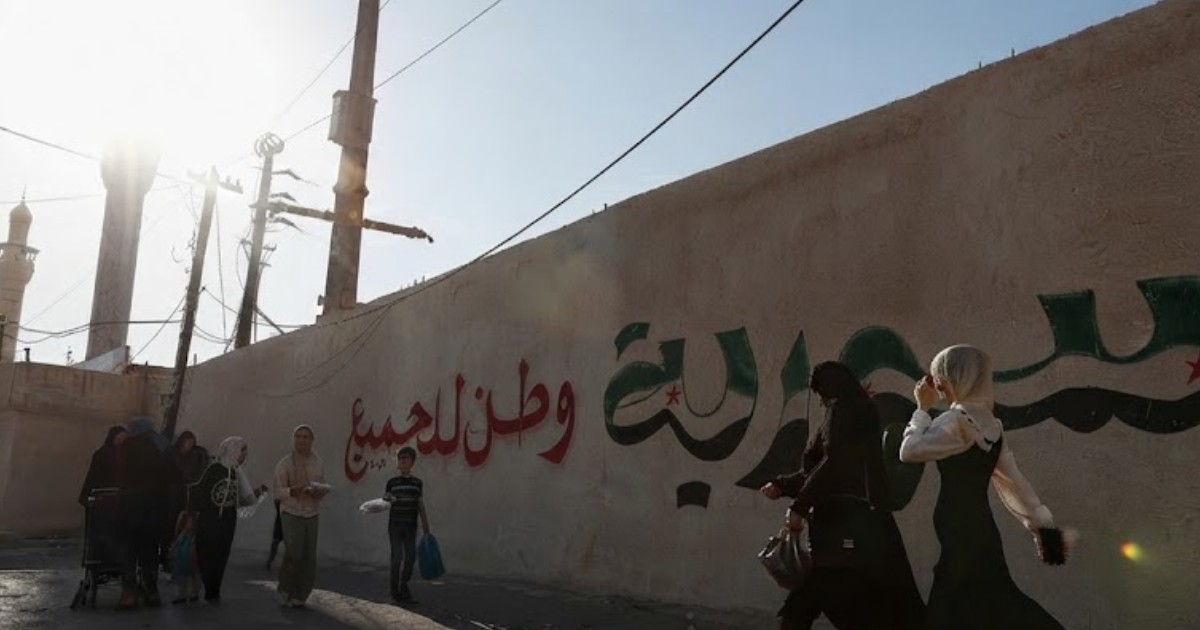
The historic town of Set Zaynab in southern Damascus continues to navigate a fragile existence marked by lingering anxieties following a decade of devastating conflict. According to comprehensive reports from Al Jazeera and the Associated Press, residents in the area surrounding the revered shrine of Sayyida Zaynab are cautiously awaiting enduring stability after the dramatic collapse of Bashar al-Assad’s government. While daily life has resumed a semblance of routine, deep-rooted security concerns stemming from years of sectarian friction continue to shape the community`s collective outlook.
Local merchants and residents note that while physical security has improved significantly compared to the height of the civil war, public confidence remains incomplete. During the previous administration, Set Zaynab served as a vibrant hub for religious tourism, drawing thousands of Shia pilgrims primarily from Iraq who sustained local hotels, cafes, and markets. However, international travel patterns shifted drastically following the regime change. While occasional visitors from Gulf nations still pass through in small groups, traditional tourism volumes have plummeted, severely impacting the local economy.
Beyond economic stagnation, security vulnerabilities persist outside the immediate capital center. The newly established transitional government has actively countered militant threats, successfully dismantling clandestine cells linked to ISIL that sought to disrupt regional stability. Authorities recently neutralized operatives connected to explosive devices planted during high-profile diplomatic visits to Damascus. Nevertheless, targeted acts of violence continue to pose a severe psychological and physical threat to local inhabitants.
The ongoing security challenges were underscored earlier this year by the targeted assassination of a prominent local cleric in a vehicle-bomb attack claimed by ISIL. Such incidents serve as stark reminders that underground extremist networks retain the capacity to execute coordinated strikes in vulnerable peripheral districts. Consequently, community leaders and regional analysts emphasize that comprehensive stabilization efforts must extend far beyond urban centers to ensure lasting protection for all religious and ethnic communities across the country.
The broader political transition in Syria depends heavily on the central administration`s ability to consolidate control, rebuild shattered infrastructure, and foster genuine social reconciliation. International observers stress that ensuring equitable security and economic revival will determine whether towns like Set Zaynab can reclaim their historical vitality. As the nation grapples with the immense task of post-war reconstruction, the residents of southern Damascus remain resilient, hoping that cautious optimism will eventually translate into permanent peace.