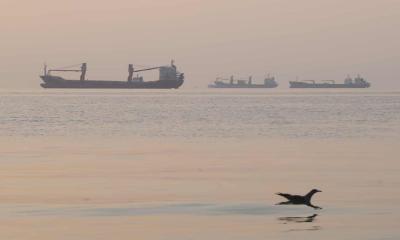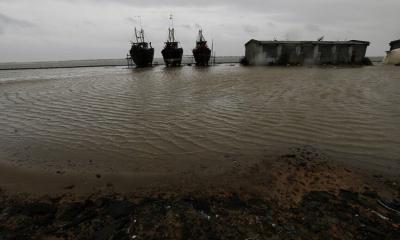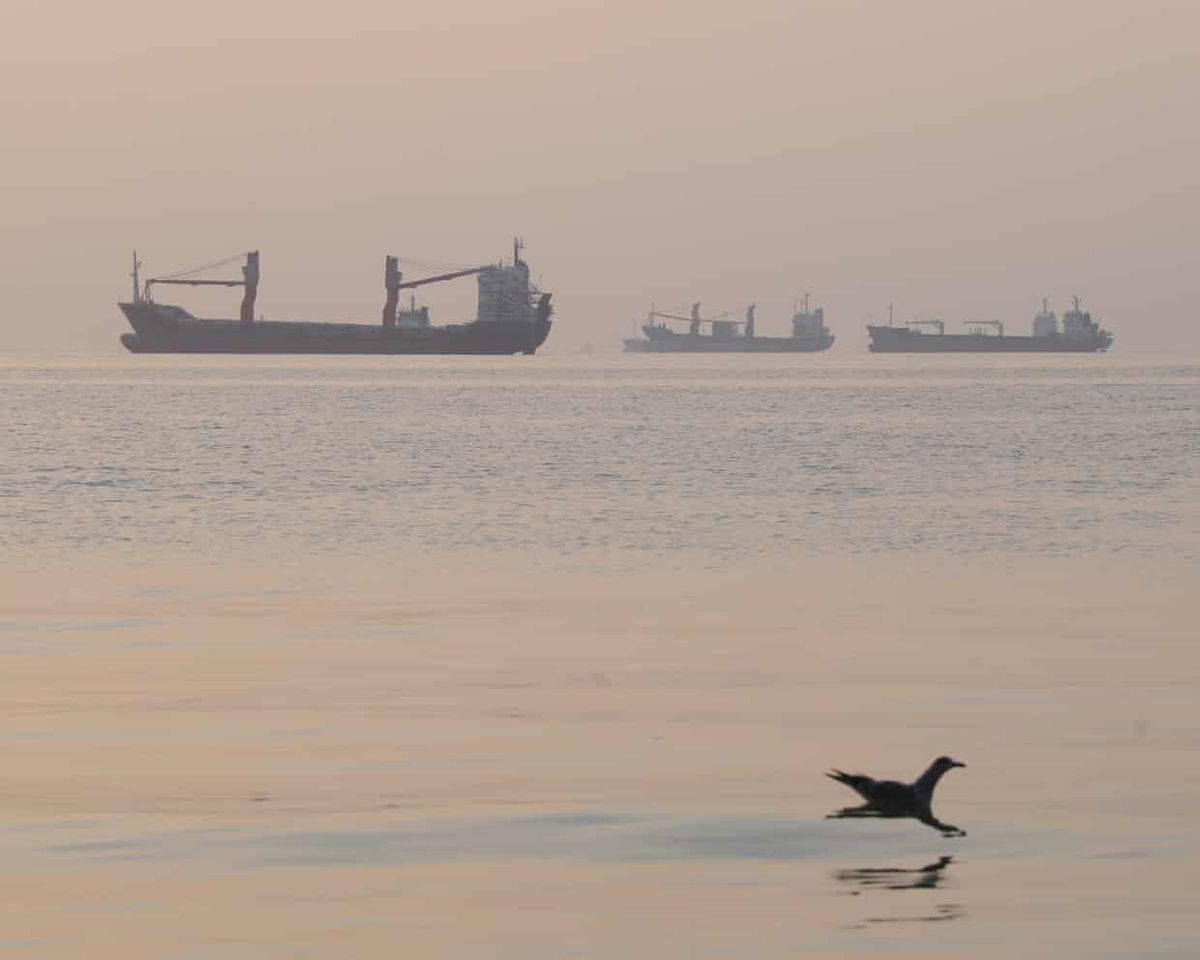
Gulf states are working on a multipronged peace initiative aimed at averting a renewal of war between the United States and Iran. The diplomatic effort centers on reopening the vital Strait of Hormuz within four days of sanctions being lifted. It also calls for the Houthi movement to withdraw substantial forces inside Yemen.
The United States is monitoring the progress of these talks. Washington is holding out for a major concession, and European powers suggest this could involve Tehran allowing United Nations weapons inspectors back into the country.
British Foreign Secretary Ed Miliband urged the Iranians to agree to readmit the inspectors during a meeting in New York with Iranian Foreign Minister Abbas Araghchi. Iran has refused this demand so far, stating it will only hold talks in principle regarding its nuclear programme.
Tehran remains focused primarily on securing guarantees of sanctions relief in exchange for reopening the Strait of Hormuz. Dr Ali Bagheri, deputy secretary of Iran’s national security council, said his country was willing to shorten its proposed timeline, reducing the period for the strait to reopen from seven days to four days after economic sanctions are lifted.
Iran is beginning to acknowledge its mediating role in the parallel conflict in Yemen. Mohsen Rezaei, secretary of Iran’s supreme national security council, met with the Houthi ambassador to Iran, Ibrahim al-Dulaimi, on Tuesday.
This meeting occurred 24 hours after a high-level delegation representing Saudi Arabia, Turkey, and Pakistan travelled to Tehran. The group discussed Saudi terms for ending the Yemen conflict alongside a longer-term security architecture for the region.
Iran maintains backing for the Houthis and holds the power to influence them, including shaping proposals that fall short of a military victory. In return, the Houthis demand that Saudi Arabia lift its naval and air blockade on Houthi-held territory in Yemen.
During talks with Turkey, Saudi Arabia, and Pakistan, Iran prevented discussions centred on its nuclear programme. Tehran instead directed the focus toward a broader discussion on a regional security vision involving the Gulf states and Iran, which would see the American military presence in the Middle East reduced or ended.
A new non-aggression pact would end decades of regional ostracisation for Iran following the 1979 Islamic Revolution. This outcome would satisfy Tehran’s highest strategic goal, potentially making it easier for the government to accept tactical concessions on its nuclear activities.
Speaking at a televised event in Iran, Araghchi stressed a postwar security arrangement. Whether there is war or not, our policies remain the same, he said.