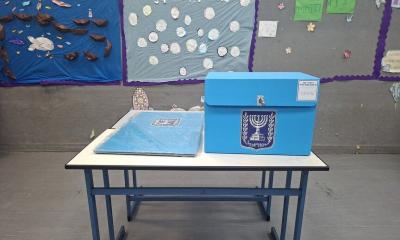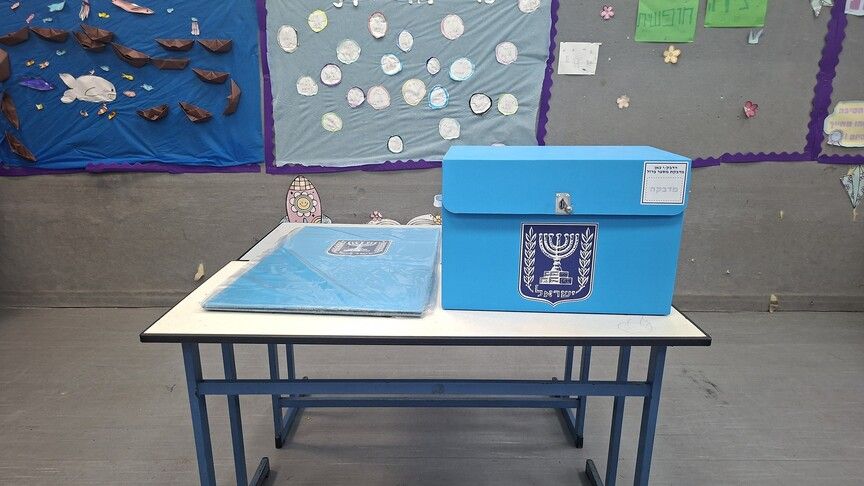
Polling stations opened across Israel at 7 am local time on Tuesday. Voting is scheduled to close at 10 pm, according to Israel’s Central Elections Committee.
Authorities have prepared a total of 12,018 polling stations nationwide. Around 18,000 ballot boxes and approximately 100,000 election workers have been deployed for the vote.
Thirty-seven parties and electoral lists are competing in the parliamentary elections. A party or alliance needs at least 61 seats to form a governing coalition.
The general vote represents Israel’s first national election since the start of the war on the Gaza Strip in October 2023.
The main contenders include Prime Minister Benjamin Netanyahu’s Likud party. Other leading factions include the Yashar party, headed by former Army Chief of Staff Gadi Eisenkot, and the Together alliance led by former Prime Minister Naftali Bennett.
Prominent factions participating in the ballot also include the Democrats led by Yair Golan, Avigdor Lieberman’s Yisrael Beiteinu, and Jewish Power, which is led by National Security Minister Itamar Ben-Gvir.
Palestinian-led parties are taking part in the electoral contest. These include the Joint List headed by Yousef Jabareen and the United Arab List, known as Ra’am, which is led by Mansour Abbas.
Diplomatic voting took place earlier on 15 to 16 October. The Central Elections Committee reported that 4,218 Israelis cast their ballots during early voting at 101 polling stations established across 99 diplomatic missions abroad.
That early turnout represented 86.7 percent of the 4,863 eligible overseas voters.
Vote counting will begin immediately after polling stations close at 10 pm local time. Israeli television channels are expected to release exit polls at that time.
Initial results are projected to emerge overnight. The Central Elections Committee stated that official results are scheduled to be published by 4 November.