African nations face severe economic fallout from the ongoing Middle East conflict. Escalating fuel and fertiliser costs threaten future food production.
Trade ministers from the region and a senior United Nations official issued the warning during the World Investment Forum in Doha on Monday.
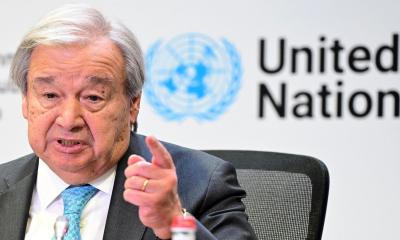
Luz Maria de la Mora directs the Division on International Trade and Commodities at UN Trade and Development. She stated that the crisis in the Strait of Hormuz must be resolved swiftly to ensure fertiliser remains affordable for rural communities. Soaring prices for agricultural inputs could directly affect upcoming harvests and overall food availability.
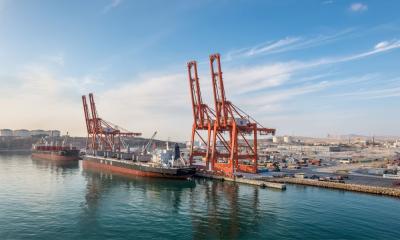
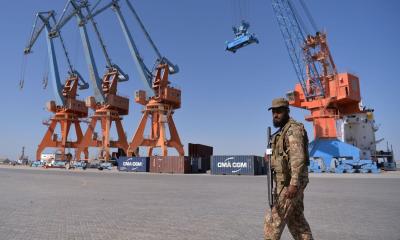
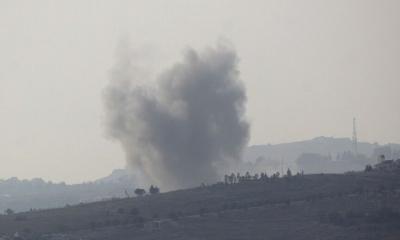
The military confrontation involving the United States, Israel, and Iran has disrupted the Strait of Hormuz. This maritime route previously handled one-fifth of global oil and liquefied natural gas shipments. Rising oil prices have caused supply chain disruptions that are lasting longer than anticipated.
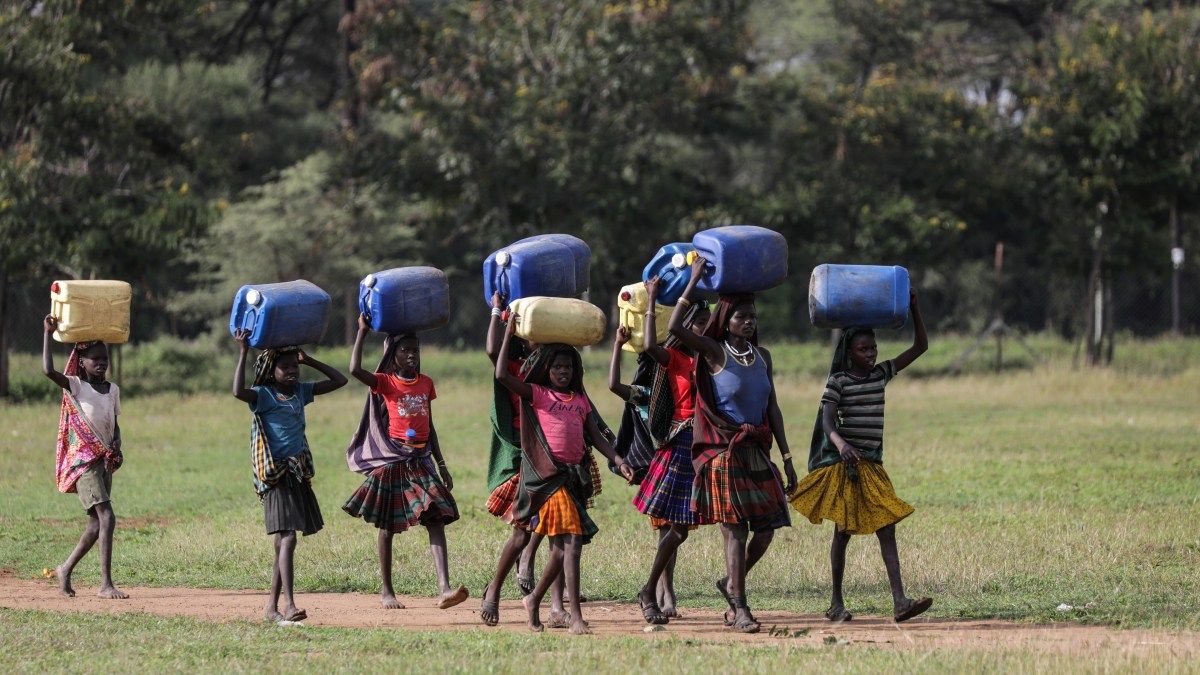
The disruption has hit African agricultural sectors hard. In Zimbabwe, rising fuel and fertiliser expenses represent a serious threat in a nation where over seventy percent of the population relies on farming, according to Monica Mutsvangwa, the country’s minister of women affairs, community, small and medium enterprise development.
Uganda has experienced a similar shock. Fuel prices have more than doubled, according to Sanjay Tanna, the country’s minister of trade, industry and cooperatives. Tanna added that the Ugandan shilling has lost ten percent of its value against the US dollar since mid-2026.
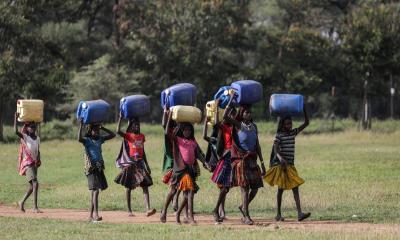
Despite these financial pressures, Uganda has found some protection through its heavy reliance on subsistence farming and domestic food production. Producing local food offers an advantage while international supply chains remain under pressure, even though global trading systems treat nations unequally.
For Zimbabwe, the crisis has pointed to the necessity of drawing investment while navigating geopolitical divisions. Mutsvangwa stated that Harare positions itself as a partner to investors from both the United States and China amid ongoing trade tensions. She pointed to the country’s lithium and graphite deposits alongside its tourism potential, noting that Zimbabwe welcomes any investor who follows local regulations and contributes to national development.
De la Mora explained that attracting foreign capital remains difficult for developing economies because investment tends to concentrate in a small number of countries. Capital is risk-averse and requires certainty regarding returns, which governments can support through transparent institutions, the rule of law, and reliable infrastructure.
Building resilient economies also requires a focus on younger generations and local processing. Jean-Jacques Bouya, the Republic of Congo’s deputy prime minister for coordination, development infrastructure and land planning, stated that his country intends to expand domestic processing so that more value from natural resources stays within the nation.
Africa can no longer function merely as an extraction site for raw materials that are processed elsewhere and resold at higher prices, Bouya told reporters. He noted that the Republic of Congo has aligned its national development plan with African Union ambitions, prioritizing connectivity through electricity, digital systems, and physical infrastructure.