Thousands of cargo vehicles remained stranded on both sides of the Iran-Pakistan border on Monday. Business representatives in southwest Pakistan confirmed that overland trade had only partially resumed after a week-long closure.
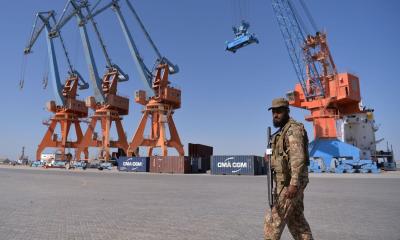
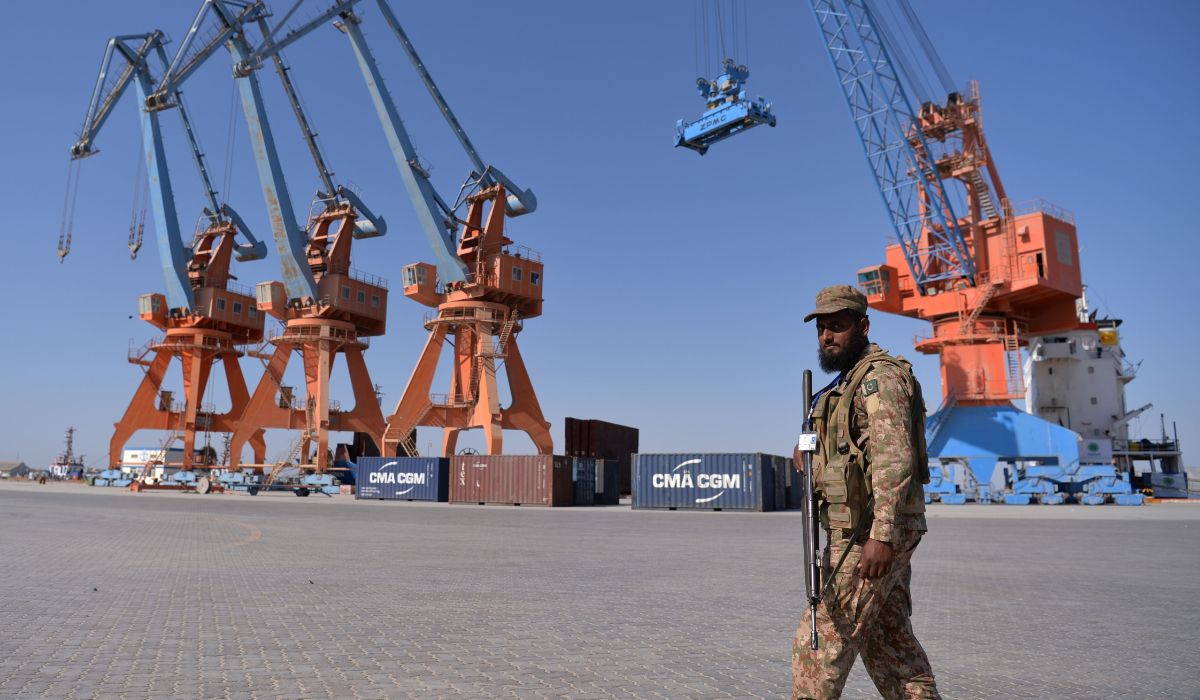
Mir Naveed Jan Kalmati, president of the chamber of commerce for Gwadar city on the Arabian Sea coast, stated that the frontier was only partially open. He estimated that between three and four thousand trucks were waiting on the Iranian side, alongside two to three thousand vehicles on the Pakistani side.
Kalmati explained that authorities were permitting only specific vehicles to cross in an effort to clear the massive backlog. Businessmen and drivers on both fronts were experiencing severe frustration, as they wanted to return home and resume their commercial operations.
Fida Ahmad Dashti, a businessman based in the Kech district of Pakistan’s southwest Balochistan province, reported being informed that only vehicles possessing paperwork prepared before October 16 were granted crossing rights. Two other local businessmen in Balochistan confirmed that their drivers received the exact same instructions at the frontier.
The Gwadar Chamber of Commerce issued a statement on Saturday warning that the abrupt border closure and the suspension of liquefied petroleum gas imports had disrupted the national supply chain. These disruptions caused domestic prices to skyrocket.
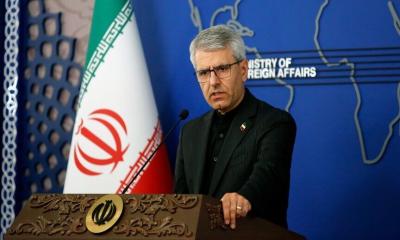
Diplomatic tensions and administrative hurdles compounded the logistical crisis. Reza Amiri Moghadam, Iran’s ambassador to Pakistan, posted on the social media platform X on Sunday that no restrictions existed on the Iranian side, including for liquefied petroleum gas exports.
Moghadam instead blamed the border bottlenecks on alterations to Pakistan’s E-Form procedure for imports from Iran. He asserted that the changes left traders literally and effectively unable to dispatch cargo from Iran into Pakistan.
Officials from Pakistan’s interior and foreign ministries did not respond to requests for comment regarding the situation. Commercial chambers on both frontiers continued urging authorities to permit a complete restoration of trade.
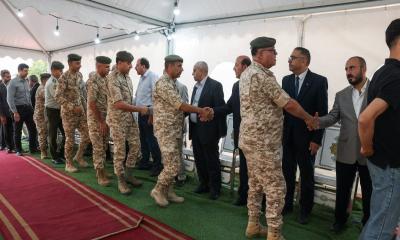
Political and military engagements also took place concurrently in Tehran. The Pakistani military announced that army chief Field Marshal Asim Munir visited Tehran on Monday, marking his second trip to the Islamic republic in less than a week, as Pakistan attempted to mediate a peace deal in the Middle East war.
Iranian and Saudi authorities confirmed that senior officials from Saudi Arabia, Turkiye and Pakistan were scheduled to hold regional security talks with Iranian officials on Monday in Tehran. Saudi Arabia and Turkiye previously signed the Makkah Joint Defense Agreement in August, committing Saudi Arabia, Turkiye and Pakistan to mutual defense if any of the three nations face an attack.