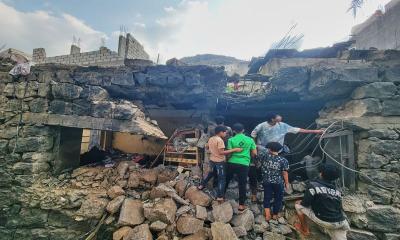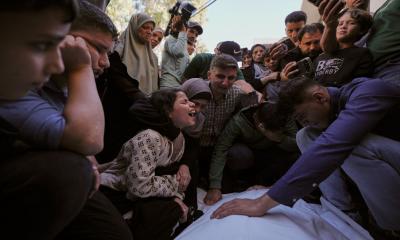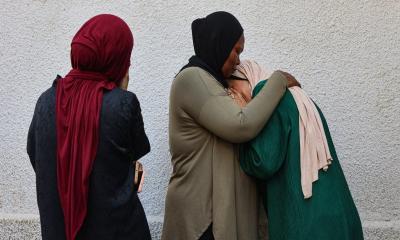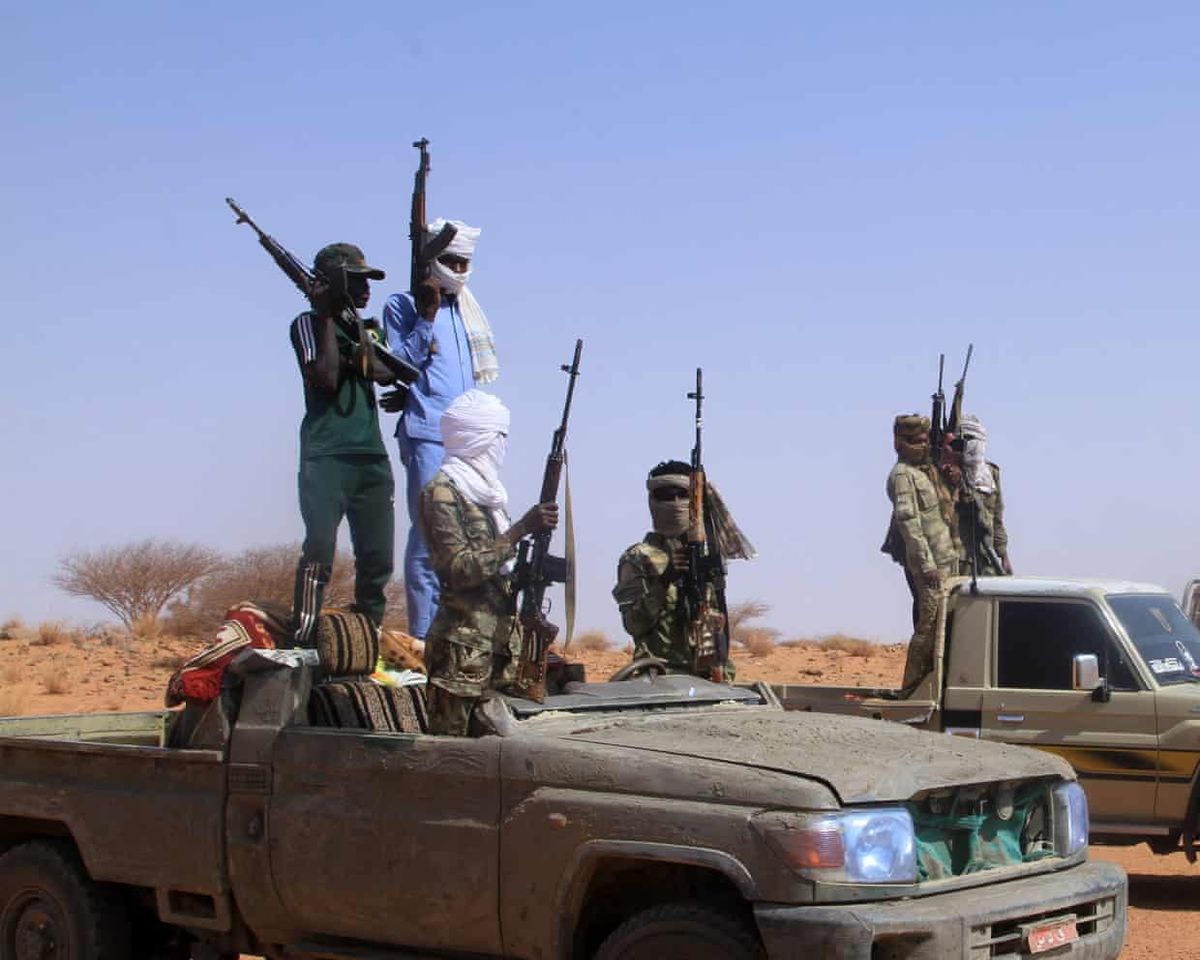
The British government has targeted senior Sudanese commanders implicated in a campaign of rape. The move coincided with the first anniversary of a mass atrocity that left tens of thousands of civilians dead in El Fasher over several days.
Fifteen commanders from both factions in the ongoing civil conflict have been subjected to asset freezes and travel bans. The targeted individuals belong to the Rapid Support Forces and the Sudanese Armed Forces.
The Foreign Office stated that it hoped the measures would ensure the horrors that occurred at El Fasher remain known globally. Up to 10,000 men, women and children were reportedly slaughtered during a two day period when the Rapid Support Forces took the city. This marked the largest and fastest civilian massacre of the century.
Another 40,000 people remain unaccounted for following the offensive. The killings followed an 18-month starvation siege led by the Rapid Support Forces, which faced allegations of backing from the United Arab Emirates. The United Arab Emirates has consistently denied supporting the paramilitary group.
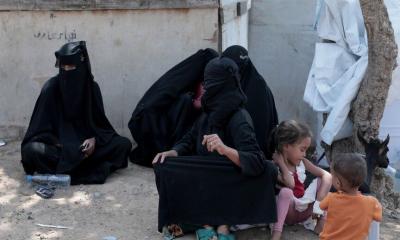
El Fasher now retains fewer than 70,000 residents, down from a prewar population exceeding 1 million. Conditions inside the city remain severe, with testimonies pointing to routine unlawful killings, torture and detention.
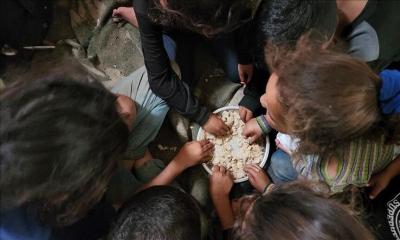
Among those penalized by the British government is Hussein Abu Jalak, a Rapid Support Force colonel tied to atrocities during the siege. The blockade previously forced hundreds of thousands of civilians to survive on animal feed.
Al-Nour Ahmed Adam, also known as Al-Qubba, was another commander penalized for playing a prominent role in the city assault. An investigation earlier in the year showed that internal warnings from the United Kingdom and the United States were sidelined before the attack, leaving potential life-saving measures untaken.
The Coalition on Atrocity Prevention and Justice for Sudan issued a statement marking the anniversary of the massacre. The group stated that victims will not be forgotten, survivors will be heard, and the pursuit of accountability for those responsible will continue.
Sudan’s destructive conflict has displaced 14 million people from their homes over the past year. The civil war has increasingly evolved into a drone conflict.
Recent drone strikes conducted by the Rapid Support Forces targeted power stations, causing widespread electricity outages across eastern Sudan.