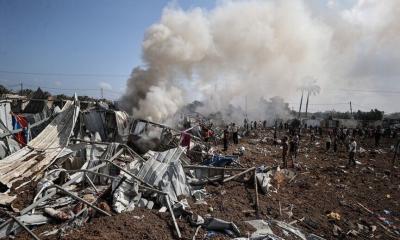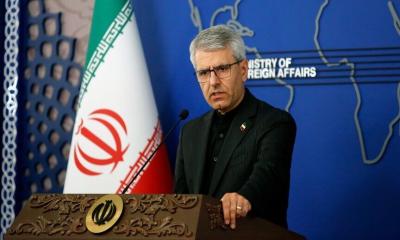
Starvation and worsening humanitarian conditions in the Gaza Strip have emerged as campaign material in Israel. Extreme right-wing National Security Minister Itamar Ben-Gvir released an artificial intelligence generated video on Tuesday depicting a completely destroyed Gaza by 2030, part of his Jewish Power party election platform.
Four distinct crises now threaten the enclave: the loss of food assistance for half a million people, the imminent shutdown of hospital services due to depleted fuel, the expansion of areas under Israeli military control, and a rising death toll. These developments persist alongside ongoing bombardment, gunfire, and restrictions on supplies despite a ceasefire agreement that took effect on Oct. 10, 2025.
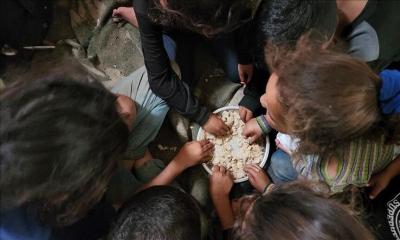
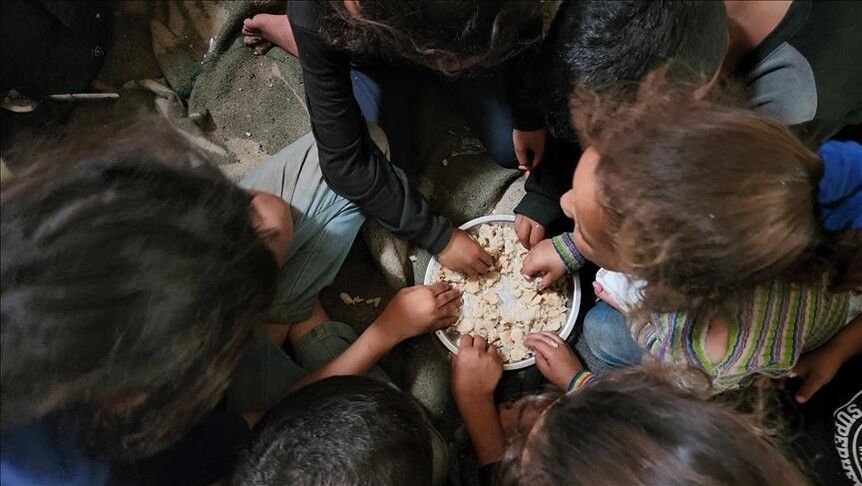
The World Food Program announced on Oct. 19 that it was reducing food assistance in Gaza by one-third. This cut left approximately 500,000 Palestinians without support, lowering the beneficiary count from 1.6 million in September to 1.1 million in October. Reductions included halving food parcels and cutting wheat flour quantities.
The agency also dropped daily hot meal distribution from 250,000 to 150,000. Families in hard-to-reach areas, particularly near the Yellow Line, now receive a meal only every other day. The UN agency blamed a funding shortage, with 2026 financing having fallen to less than half of previous levels. It stated a need for $450 million to maintain operations across Gaza and the West Bank through March 2027.
Humanitarian operations faced obstacles due to Israeli restrictions on supply entry. The UN Office for the Coordination of Humanitarian Affairs reported on Oct. 19 that aid deliveries encountered continuous difficulties regarding inspection procedures, limited crossing capacity, and coordination rules. Gaza government officials accused Israel of waging a war of starvation, while the Palestinian government warned on Oct. 20 of climbing malnutrition rates among children and pregnant women.
Hospital operations faced a parallel collapse when Gaza Health Ministry officials announced on Oct. 21 that generator fuel stocks had run out. Remaining generators risk immediate failure, which would halt life-saving medical services. Hospitals require more than 2,500 litres of fuel monthly to sustain operations amid a complete lack of electricity.
Mazen al-Araishi, director general of engineering and maintenance at the ministry, stated on Sept. 13 that allowed fuel quantities were insufficient for generator operations and maintenance. Gaza hospitals have relied entirely on generators since Israel cut electricity supplies in October 2023 and the enclave power plant ran out of fuel. These generators power operating rooms, intensive care units, neonatal incubators, ventilators, and dialysis machines.
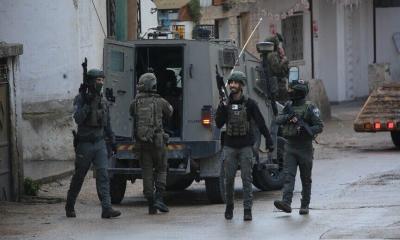
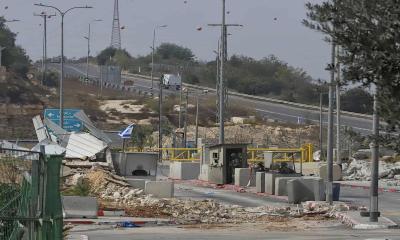
Meanwhile, the Israeli military has continued to expand control by moving Yellow Line markers westward, contrary to the ceasefire withdrawal plan. The Yellow Line marks the initial withdrawal boundary, separating military-controlled territory from areas where Palestinians remain. Roughly 53% of Gaza remained under Israeli control when the ceasefire began.
Israeli forces advanced dozens of meters into the Shujaiya neighborhood east of Gaza City on Oct. 11, moving concrete markers farther west and displacing scores of families. OCHA confirmed the marker shift on Oct. 19, warning of displacement risks. Prime Minister Benjamin Netanyahu stated on Sept. 2 that Israel would not withdraw from the Yellow Line, linking further movement to the disarmament of Hamas. Hamas responded that it is prepared to address its weapons alongside a gradual Israeli withdrawal.
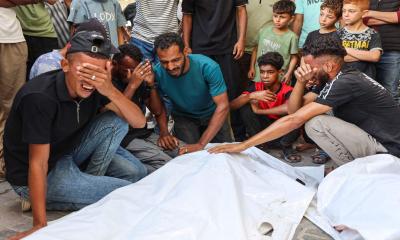
As military control expanded, the death toll from Israeli actions between Oct. 2 and Oct. 21 rose by roughly 40% compared to the same period in September, according to Health Ministry data. Officials recorded 95 deaths during that October window, compared to 68 in September. Total deaths resulting from Israeli actions since the ceasefire agreement reached 1,534 by Oct. 21. Since October 2023, military operations have killed 74,494 Palestinians, injured 175,604 others, and destroyed approximately 90% of civilian infrastructure in the enclave.