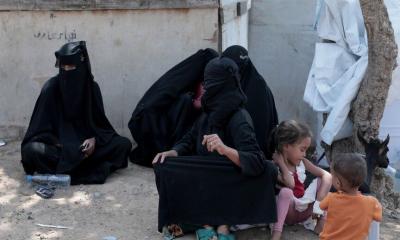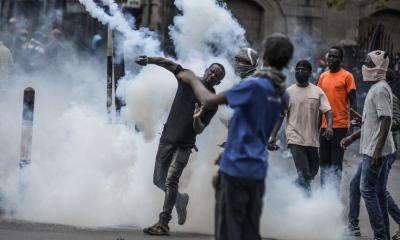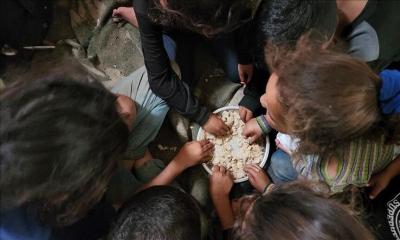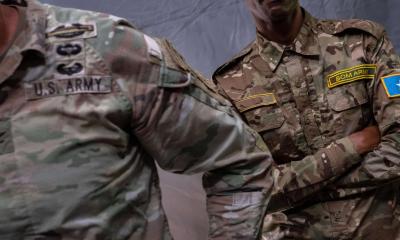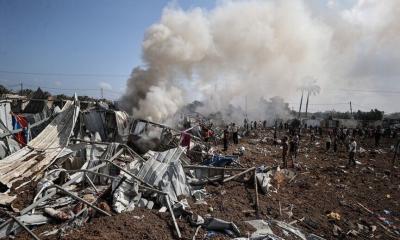
Residents fleeing southern Somalia have accused United States forces of trapping women and children in the path of severe seasonal floods by intensifying airstrikes in al-Shabaab territory. Accounts gathered from displaced people on Monday show that ongoing military operations around the city of Jilib have pushed populations toward the banks of the overflowing River Juba.
Cayni Ali, a mother of six who fled the city, said drones operate constantly over the area. She stated that the strikes kill both animals and civilians while destruction remains widespread. Asho Omar, from a nearby village, described constant bombardment that made movement difficult and killed numerous people.
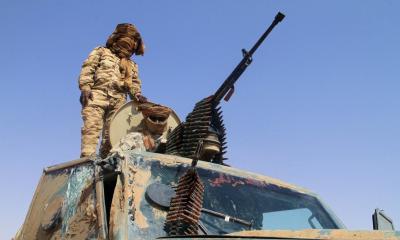
The city of Jilib serves as the de facto capital for al-Shabaab militants, who control roughly thirty percent of Somalia. The area is closed off from the outside world. Residents report seeing bodies lying in the streets amid a legally ambiguous conflict coordinated by the United States in East Africa.
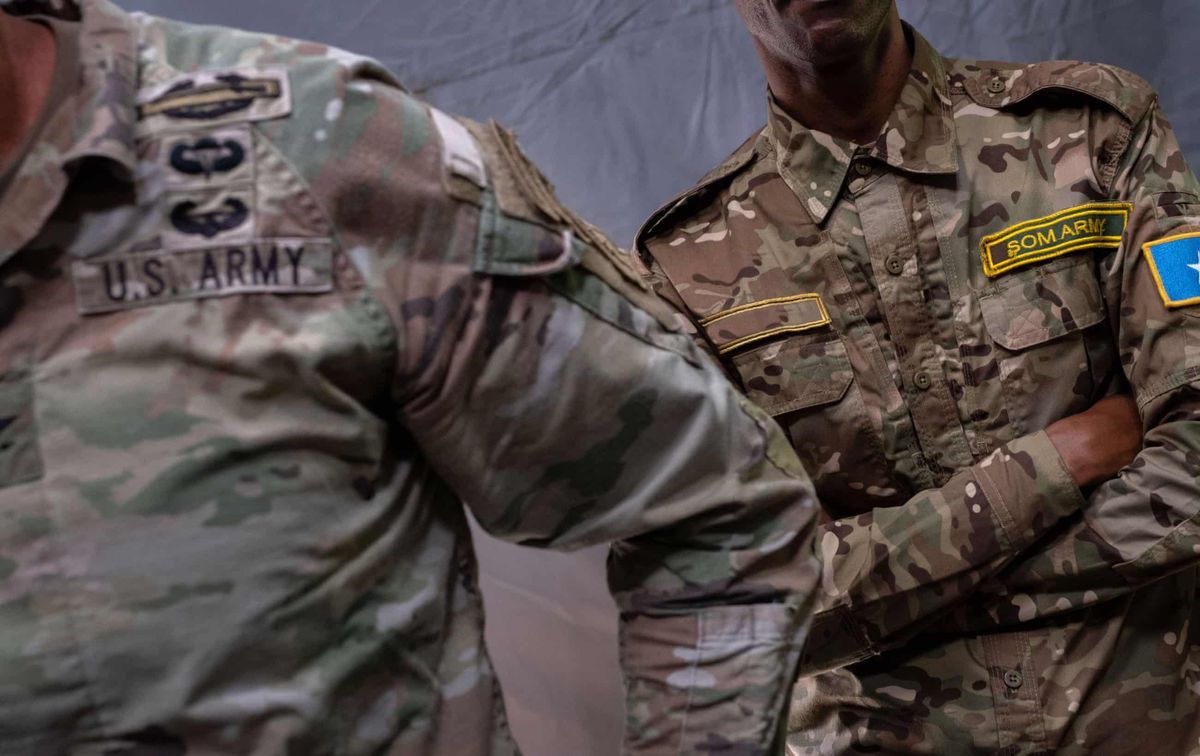
The United States Africa Command declined to share operational security details regarding its campaign. Monitors of the Juba floodplain stated that the military strategy appears to exploit a rapidly strengthening El Nino. One source monitoring the region said the offensive is forcing civilians close to the river, effectively using weather as a weapon of war to push populations into flood-prone zones.
During the previous El Nino event in 2023, floods displaced more than 1.2 million people in Somalia. Analysts have questioned whether military planners are using humanitarian remote sensing mapping data to direct operations in ways that compound natural hazards. Jethro Norman, a senior researcher with the Danish Institute for International Studies, stated that using humanitarian mapping to inflict casualties represents a reversal of its intended purpose to mitigate harm.
United States officials have denied exploiting climatic factors for military gain. A spokesperson for Africom stated that the command does not target civilians, conduct operations to displace populations, or use weather and flooding as a method of warfare. They added that forces target lawful military objectives while taking feasible measures to mitigate civilian harm.
International organizations have warned of severe weather impacts in the Juba River basin. United Nations agencies and the International Committee of the Red Cross have issued warnings regarding impending severe floods. Local agricultural workers report that crops of maize and sorghum are already submerged.
Ali Adan Ali, the commissioner for displaced people in Jubaland, expressed concern over a severe lack of rescue boats. He noted that thousands of people risk being trapped on the eastern side of the river without the means to reach safety in Kismayo. During the 2023 floods, nineteen thousand people were stranded without food for a week, and current aid funding has dropped significantly compared to previous years.
Local defenses against the rising waters remain minimal. Residents reported that earth walls erected along the river are inadequate, and al-Shabaab authorities have not communicated any readiness plans for the floods. United States defense officials maintained that operational security prevents the release of details concerning potential civilian casualties.