More than 268,000 people have been displaced inside Yemen. The International Organization for Migration released these figures on Sunday, stating that almost all of the displacement happened after the beginning of September.
Escalating conflict in western Yemen has also forced people to flee across national borders. By October 17, at least 3,836 Yemeni nationals had arrived in Djibouti. Half of these arrivals were children, including 282 under the age of five.
Most arrivals fled worsening insecurity. Several boats reached the shore short of their destination after running out of fuel during the crossing.
Separately, the organisation documented 1,327 migrants crossing by sea from Yemen to Djibouti while attempting to return to their countries of residence.
Within Yemen, families are moving south in search of safety. The displaced population in Aden has more than doubled since October 7, surpassing 42,000 people, while Lahj is currently hosting roughly 67,000 displaced individuals.
The migration agency recorded displaced families sheltering in 62 districts across 10 governorates, reaching as far east as Al Maharah.
Abdusattor Esoev, the migration agency’s chief of mission in Yemen, said the scale and speed of the displacement left families in desperate need of assistance while the operational response struggled to keep pace.
"Our teams are reaching people every day, but funding is falling far short," Esoev said. "Without urgent support, more families will go without assistance that could save their lives."
Displaced people face acute difficulties in accessing clean water, health care, and basic services. Severe fuel shortages and soaring prices for food and medicine compound these challenges.
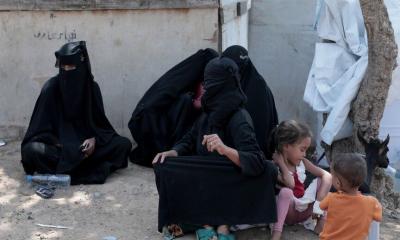
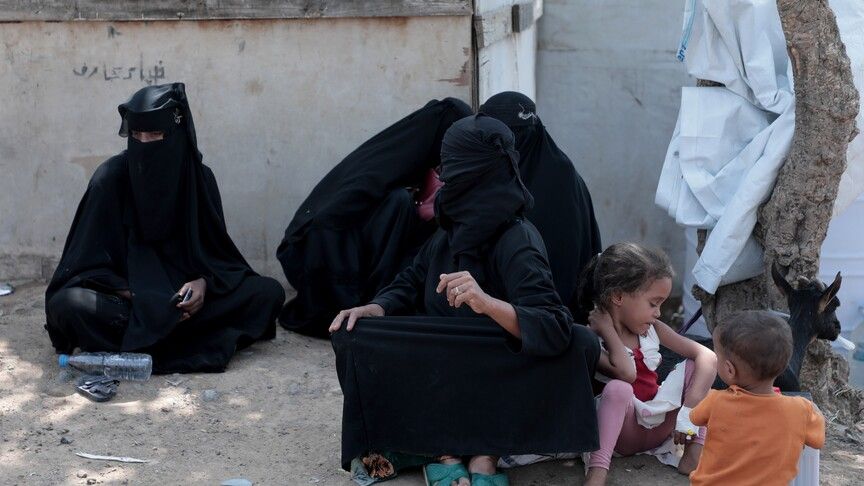
Families are sleeping outdoors or crowding into public buildings, frequently lacking adequate sanitation facilities. Women, children, older people, and individuals with disabilities face higher protection risks, while humanitarian access restrictions in Taiz continue to delay aid deliveries.
"Support must reach both displaced families and the communities hosting them now, before more lives are put at risk," Esoev said.
The agency urged international donors to increase financial support and called on all parties to protect civilians and aid workers while ensuring safe and unimpeded access to populations in need.