Severe fuel shortages in Yemen have forced a hospital in the besieged city of Taiz to slash the number of operational incubators from forty down to ten. This places newborn infants in immediate danger.
Weeks of active fighting have choked off vital supplies, deepening a wider humanitarian emergency affecting hundreds of thousands of civilians in the area.
Nada Ahmed, a nurse in the neonatal unit at the Yemeni-Swedish Hospital for Maternity and Childhood, described the dire conditions to reporters.
There is no oxygen and no fuel to run the incubators or keep the babies warm, she said.
Nawal Najeeb, a supervisor in the same neonatal department, warned that the facility could soon stop operations entirely if new fuel supplies fail to arrive.
It will be a catastrophe for the babies, a catastrophe of deaths and disabilities, Najeeb stated.
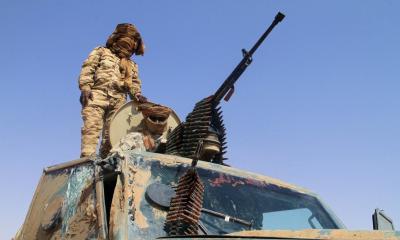
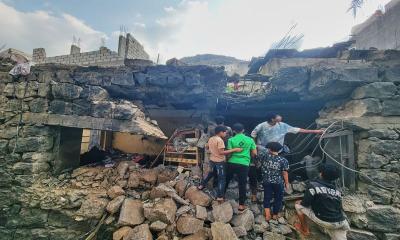
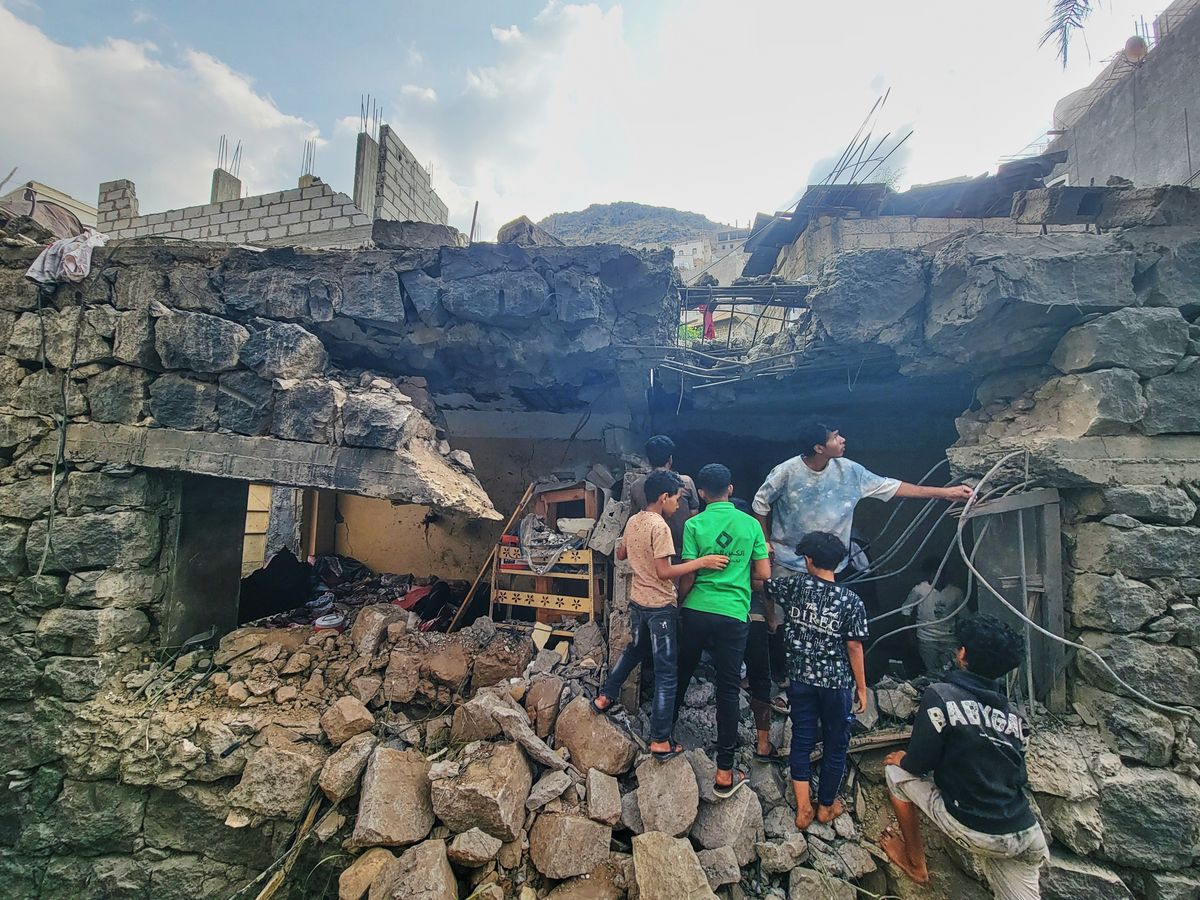
Taiz has been largely isolated since October 3. Intense fighting prevents civilians from leaving and blocks humanitarian aid from entering the city following an escalation between the Yemeni government army and the Houthi movement.
Houthi forces have blocked key supply routes, including the vital Taiz-Aden corridor, worsening shortages of food, water, and fuel. According to the United Nations, the city now hosts nearly half of the two hundred and fifty thousand people displaced by recent fighting.
Christian Lindmeier, a spokesperson for the World Health Organization, reported that forty-two health facilities inside Taiz city face acute shortages of fuel, oxygen, medicines, and medical supplies.
Driver Abdullah Al-Radfani said that fuel prices have climbed sharply to two thousand Yemeni rials per litre.
Fatma Jaffar Shotah, policy, advocacy, and media manager for Oxfam Yemen, explained that the fuel crisis is heavily impacting people’s lives. She cited the case of a dialysis patient who now has to spend two nights at a health care centre instead of travelling home between sessions because transport costs have jumped from half a dollar to roughly ten dollars.
The strain extends well beyond Taiz. Médecins Sans Frontières reported that fuel shortages are causing severe power outages at hospitals and primary health care centres in the southern governorates of Aden and Lahj, impacting operating theatres and intensive care units.
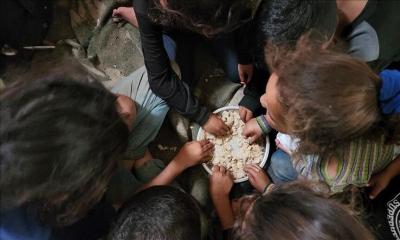
United Nations agencies and international aid organisations also warned of escalating hunger and malnutrition. The World Food Programme stated that more than eight hundred thousand people have been cut off from food assistance in Taiz and surrounding areas.
Ricardo Pires, a UNICEF spokesperson, reported that fifty-two thousand out of one hundred and sixty-eight thousand children screened in Taiz this year are acutely malnourished, including more than eleven thousand five hundred suffering from severe acute malnutrition.
UNICEF has positioned nearly eight thousand cartons of therapeutic food to sustain treatment services for about three months. Pires warned that growing insecurity and movement restrictions could block future deliveries and stop families from reaching clinics.
Médecins Sans Frontières stated that rising displacement is worsening child malnutrition across southern Yemen as families flee fighting in the north and along the west coast.
Between September 15 and October 22, the aid group screened two hundred and ninety-nine children under the age of five at mobile clinics in Aden and Lahj. Forty-four children, or fourteen point seven percent, suffered from moderate acute malnutrition, while twenty-eight children, or nine point four percent, were severely malnourished and required hospital care.
Sara Ghanem, mobile health activity manager for Médecins Sans Frontières, said that in every location they visit on a daily basis, they encounter at least one or two children suffering from severe acute malnutrition.