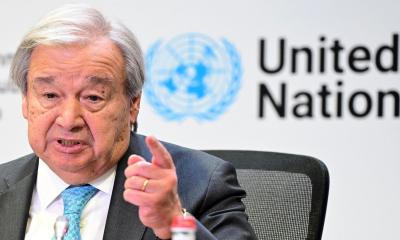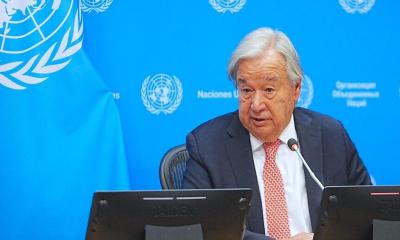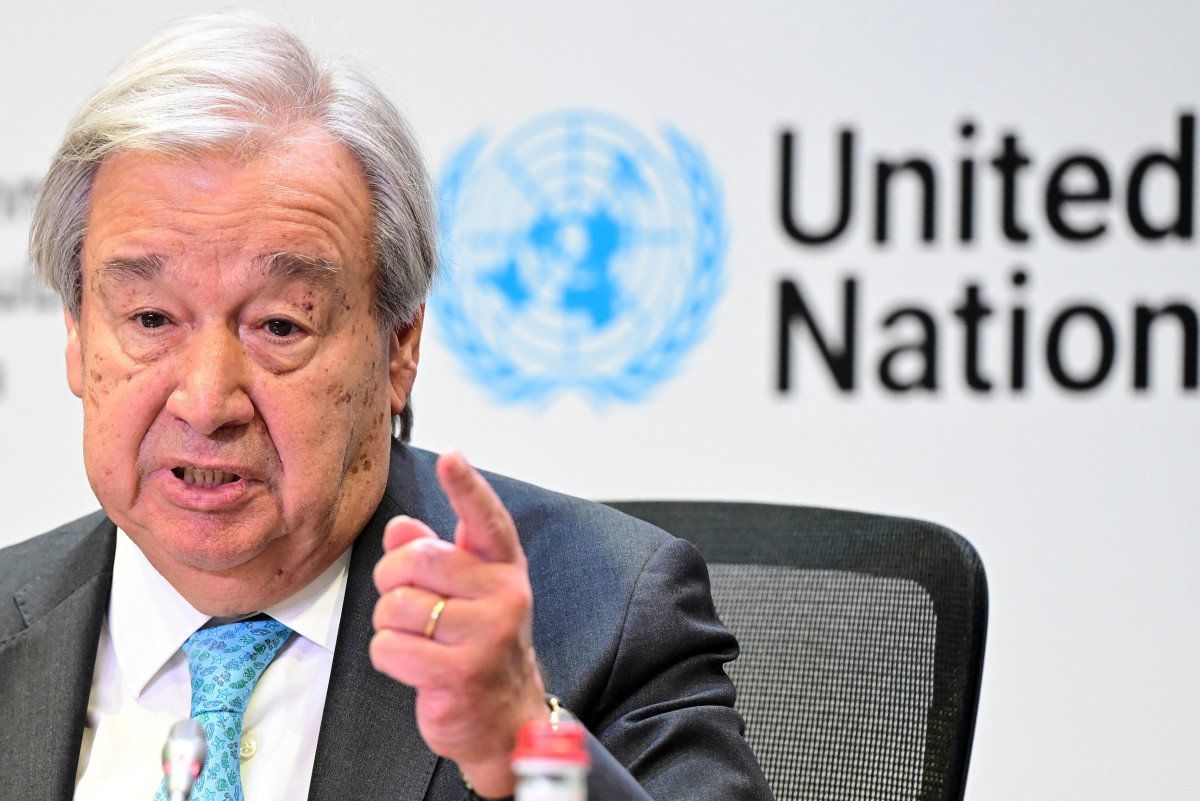
The world’s poorest economies are receiving only a small fraction of the capital pouring into artificial intelligence, semiconductors, clean energy, and critical minerals. United Nations Secretary-General Antonio Guterres issued this warning on Sunday.
He delivered his message to the ninth World Investment Forum, which opened in Doha. These advanced sectors now account for nearly half of all new greenfield investment across the globe.
Guterres said these industries will reshape economies and global production. They create key opportunities to drive sustainable development.
Only a tiny fraction of this capital reaches least-developed and lower-middle-income countries. As global demand for capital intensifies, he described the gathering as a chance to bridge this investment divide.
He called on governments, investors, businesses, and development partners to build required partnerships. He urged the private sector to increase investments in developing regions, specifically in renewable energy, technology, and critical minerals.
Businesses must create value that is widely shared by beneficiary communities, Guterres added. He encouraged participants to support the Sevilla Commitment from last year’s UN financing-for-development conference in Spain.
That agreement pledged to boost global investment and mobilise development financing on a massive scale. Investment acts as an expression of confidence that tomorrow can be better than today, he said.
He expressed hope that the forum would generate the ambition, solidarity, and partnerships required to turn technological possibility into prosperity for all. UN Trade and Development organised the event in partnership with Qatar.
The event runs from October 25 to 27. Delegations from more than 100 countries are attending, alongside over 20 ministers and agency heads.
The meeting follows the UN Trade and Development World Investment Report 2026. That report showed global foreign direct investment rose 6 percent to 1.6 trillion dollars in 2025, ending two years of decline.
These gains were uneven. Investment in developed economies jumped 11 percent, while developing economies saw only a 2 percent rise. The top 20 host economies accounted for over 80 percent of global inflows. Inflows to the least-developed countries rose 21 percent to 43 billion dollars, representing a minor share of the global total.