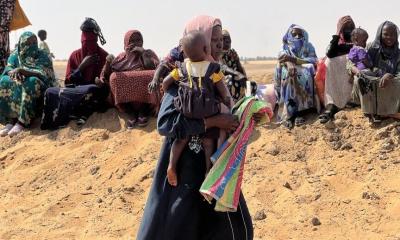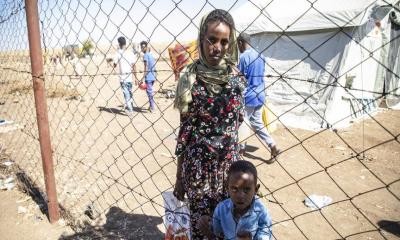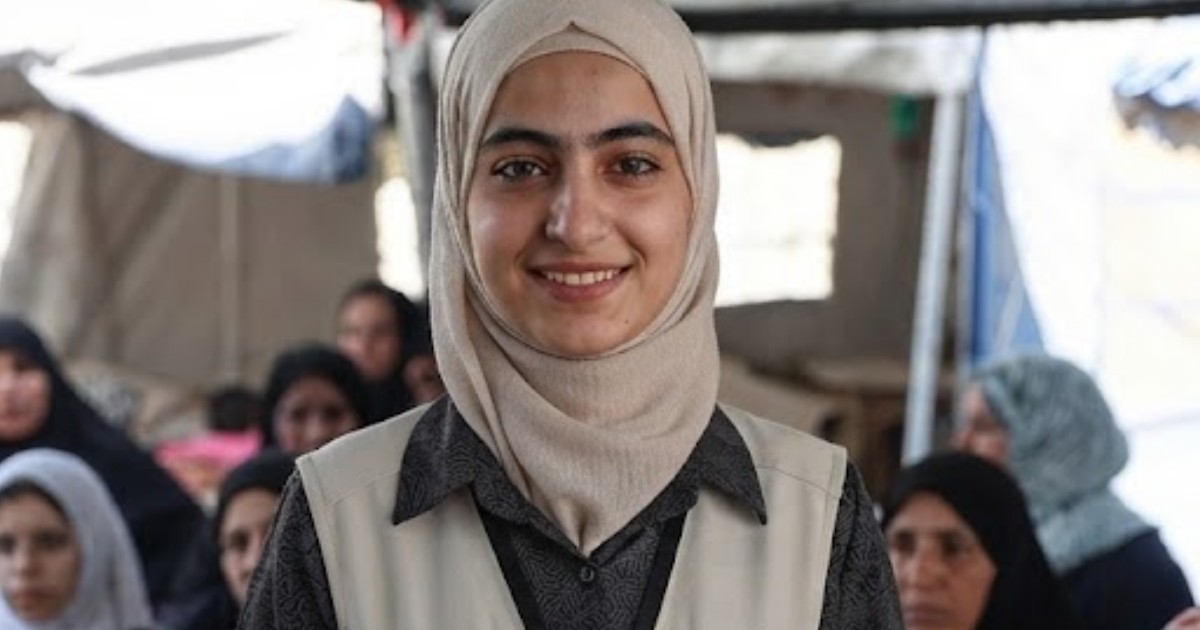
Every day at around nine in the morning, after tending to the essential needs of her five children, Ola Saleh steps out of the family tent in al-Amal camp. Walking just a few minutes, the thirty-nine-year-old arrives at a designated community tent where she can momentarily step away from the overwhelming demands of motherhood, displacement, and profound grief. According to reports from Al Jazeera, this designated women-only safe space provides daily sessions offering psychological support, group discussions, and practical coping mechanisms managed by the organization Collective Development Projects.
Here, Saleh finds an environment where she can share her emotional burden with others who understand her suffering without requiring lengthy explanations. Surrounded by professional psychologists and women carrying immense personal losses, she discovers a rare sense of solace. Her husband was killed instantly last August while walking to purchase basic household supplies, leaving her to navigate displacement in Deir el-Balah alone with children ranging from five to seventeen years of age. Data from UN Women indicates that thousands of women across the enclave have lost husbands since the conflict escalated, leaving approximately one in every seven families headed by a woman.
For the vast majority of these women, daily survival leaves virtually no time or physical environment for proper grieving. Confined to cramped tents lacking basic electricity and ventilation, their existence is consumed by the relentless pursuit of water, food, and security. Alaa Daoud, the field coordinator for the initiative, explained that the program was specifically established to grant women a secure sanctuary where they can express their emotions freely and receive targeted mental health assistance. Initiated initially at a school in central Gaza, the project has steadily expanded to reach other displacement sites across the territory.
In addition to emotional counseling, the daily sessions address pressing contemporary challenges including domestic pressure, severe economic hardship, and the complexities of raising children amidst ongoing conflict. Attendance has surged steadily since the launch, reflecting a profound community demand for structured mental health support. Saleh notes that while the sessions do not erase her underlying trauma, they provide moments of genuine relief and renewed perspective. Listening to fellow participants and mental health professionals helps her maintain resilience amidst a reality dominated by continuous loss and uncertainty.
Elderly participants like sixty-three-year-old Suad al-Gharabali contribute distinct value to the group dynamics by sharing decades of accumulated life experience. Having lost her home in Shujaiya and mourning two sons killed in separate air attacks, al-Gharabali channels her grief into offering practical guidance to younger mothers facing unprecedented parenting hurdles. For initiative coordinators like Daoud, these safe spaces serve a dual purpose of delivering vital counseling while formally acknowledging the immense burdens carried by women throughout the devastating conflict. As more participants join daily, these sanctuaries remain a vital lifeline for emotional survival in Gaza.