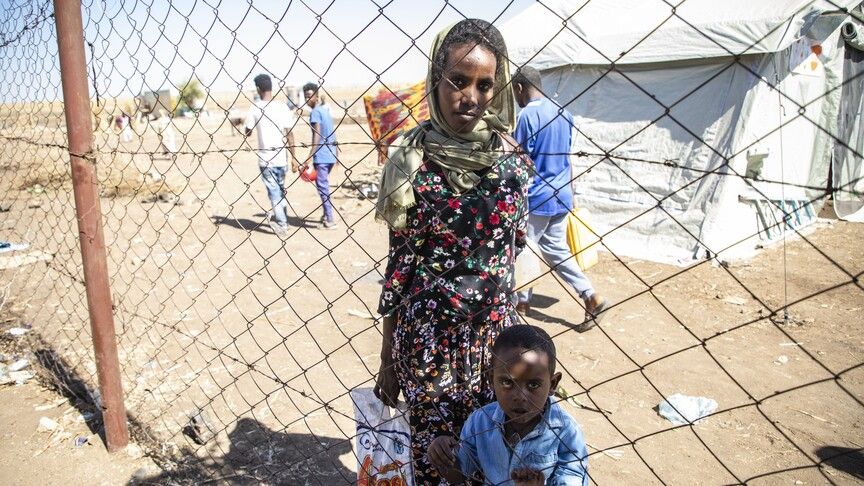
Nearly 40,000 people have crossed from Ethiopia into Kenya to escape armed conflict near the shared border, according to the Kenya National Commission on Human Rights. This figure marks a steep rise from the 14,000 displaced individuals reported by the Kenya Red Cross over the weekend.
Claris Ogangah, chairperson of the human rights commission, issued a statement calling for immediate intervention. The protection of life and human dignity cannot be postponed, she said. She urged authorities and partners to act urgently so everyone seeking safety in Moyale is protected by the law and can access essential humanitarian assistance.
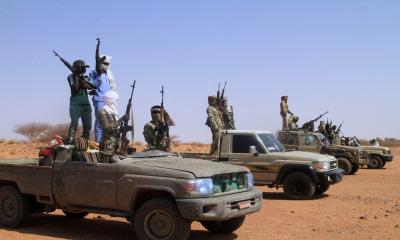
The fighting in Ethiopia involves regional security forces and armed civilians from the Oromia and Somali regional states. The violence stems from longstanding disputes over administrative boundaries and territorial control between the Oromo Borana and Somali Garre communities around Moyale.
Tensions escalated after a dispute over raising the Somali Regional State flag and opening a new administrative office in a zone claimed by Oromia authorities. The killing of a 13-year-old girl on October 18 sparked protests, business closures, and subsequent confrontations. Heavy gunfire erupted on October 22 as combat spread across several settlements in southern Ethiopia.
Representatives from the rival communities have blamed each other for instigating the violence. Residents have reported fatalities, injuries, and the destruction of homes and businesses, alongside the disruption of transport and commercial activity along the vital trade corridor.
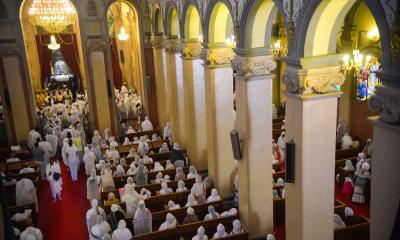
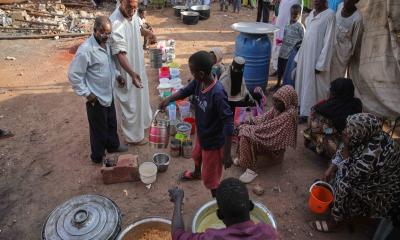
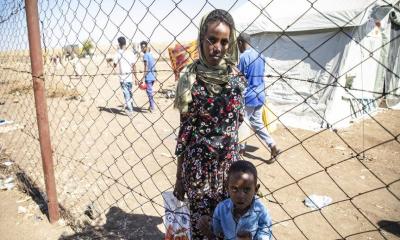
More than 15,000 displaced people are staying in eight temporary shelters, including schools and churches. Over 20,000 others have found accommodation with friends and relatives in the area.
The sudden influx has strained host communities, triggering shortages of food, clean water, shelter, sanitation, and healthcare. The human rights commission warned that severe overcrowding and poor sanitation heighten the risk of communicable disease outbreaks.
The crisis has also created urgent medical needs. Four women have given birth since arriving in the area, with two deliveries recorded at Manyatta Burji and two at Bitiye, pointing to an immediate demand for maternal healthcare, emergency treatment, and postnatal services.
Kenyan parliamentarians representing Marsabit County earlier appealed to President William Ruto to pursue diplomatic engagement with Ethiopian authorities to help restore calm. In response to the crisis, the human rights commission called on both governments to coordinate efforts to end the violence and manage civilian movement safely.
The commission reminded authorities that domestic constitutional protections apply to all individuals within Kenya regardless of nationality or legal status. It also noted state obligations under international refugee law, specifically the principle of non-refoulement, which forbids returning people to locations where they face persecution or severe threats.
The human rights agency said any humanitarian response must account for the needs of Kenyan host communities to prevent living conditions from worsening.