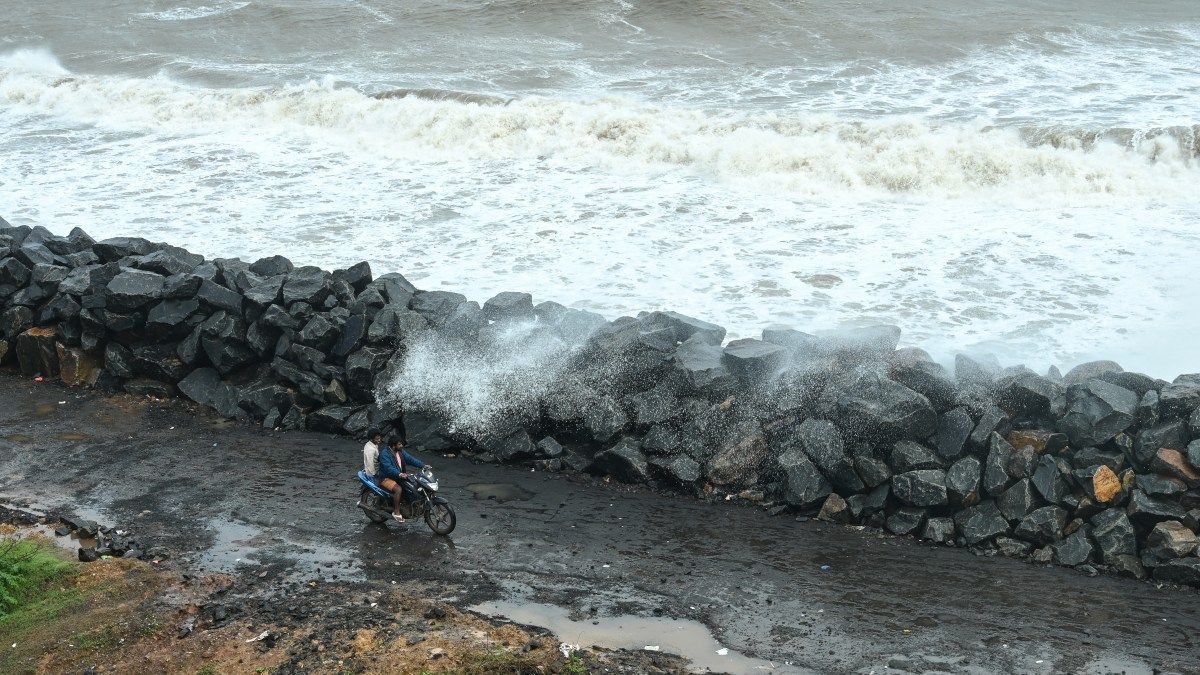
Indian authorities evacuated tens of thousands of residents from coastal regions as a powerful storm approached the eastern seaboard on Tuesday. The India Meteorological Department warned that Cyclone Arnab had intensified significantly since Monday and would make landfall on Wednesday morning.
Meteorologists located the very severe cyclonic storm 260 kilometres southeast of Visakhapatnam, the largest port city in Andhra Pradesh. The storm system developed over the Bay of Bengal, a frequent breeding ground for tropical systems that regularly impact India’s eastern coastline.
The weather department stated that the storm was tracking northwest and would cross the coast by 11:30 am local time on Wednesday. Sustained winds were expected to reach between 115 and 125 kilometres per hour, with powerful gusts hitting up to 140 kilometres per hour.
State disaster management officials reported that over 12 million people reside along the projected path of the storm as it moves inland toward the north. In Andhra Pradesh alone, nearly 50,000 residents were moved into designated shelters by Monday night.
Prakhar Jain, managing director of the state disaster management authority, told reporters that about 400,000 people require evacuation from vulnerable zones. Officials in neighbouring Odisha also prepared emergency measures, announcing plans to relocate 48,000 people away from danger zones.
Railway networks responded to the severe weather warnings by cancelling at least 12 trains across eastern India. Transport officials also suspended services on 53 routes along the southern coast for Tuesday and Wednesday.
Further inland, authorities in Nepal issued travel warnings for tourists visiting high-altitude regions. Officials cautioned that the storm system could bring heavy rainfall, severe snowstorms, and dangerous avalanches to the Himalayas between Thursday night and Saturday. That Himalayan warning follows a deadly flash flood in August that left approximately 1,500 people dead across Nepal.