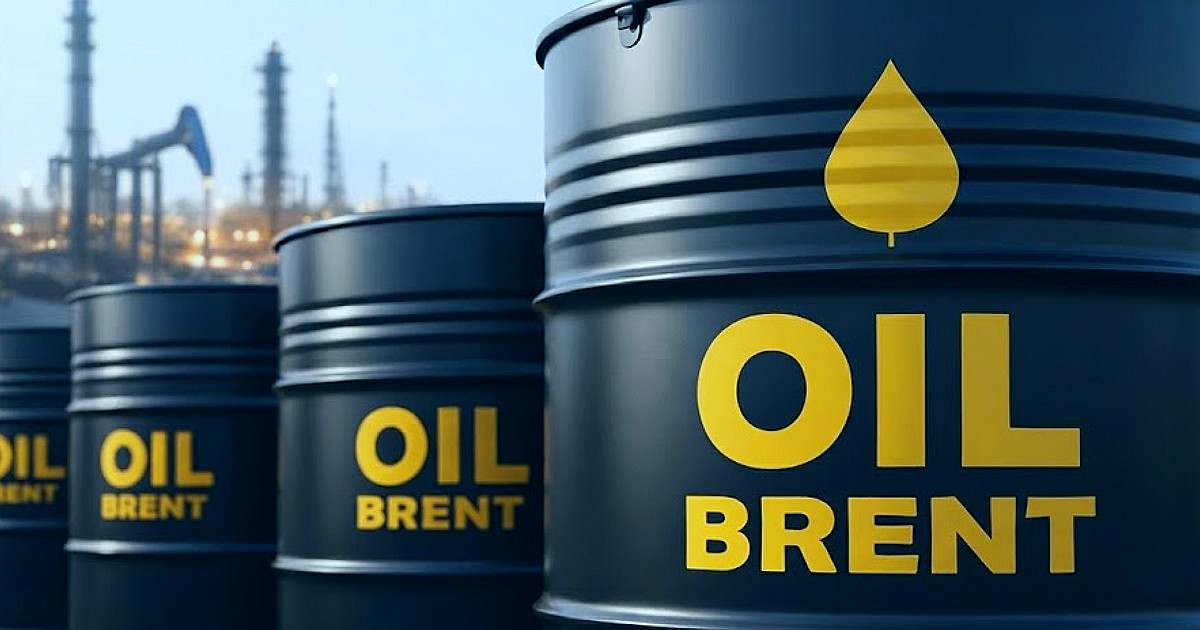
Global oil prices tumbled sharply as the United States and Iran temporarily halted military strikes over the weekend, raising diplomatic hopes for a resolution to the conflict, official market data reported by BBC News and Reuters showed. International benchmark Brent crude sank over 9 percent to fall below 88 dollars a barrel at one point. The drop marks a dramatic turnaround from last week when supply disruption fears pushed prices above 100 dollars a barrel for the first time since May.
The sudden pull-back in energy prices followed official confirmation that Washington paused military strikes for a second consecutive night to allow diplomatic negotiations room to maneuver. An Iranian army spokesperson confirmed on Sunday that Tehran had suspended retaliatory strikes across the region in response. The mutual pause in hostilities provided immediate relief to volatile commodity markets that had priced in prolonged military escalation.
The initial outbreak of the military conflict between Washington and Tehran caused a sharp surge in global energy benchmarks by effectively closing the Strait of Hormuz. The narrow waterway serves as a vital transit route carrying roughly 20 percent of global crude oil and liquefied natural gas shipments. When both nations signed a memorandum of understanding in June to reopen the channel, Brent crude retreated to pre-war baseline levels near 70 dollars a barrel.
However, the subsequent collapse of that ceasefire earlier this month reignited intense fears regarding global supply security. Tensions escalated further when Houthi forces in Yemen launched strikes against oil tankers in the Red Sea, threatening an alternative export corridor utilized by Saudi Arabia to bypass Hormuz. What remains unclear is whether current diplomatic discussions will produce a permanent ceasefire capable of fully restoring maritime transit routes.
Financial analysts emphasized that market sentiment remains fragile despite the steep drop in crude prices. Susannah Streeter, chief investment strategist at Wealth Club, noted that investors remain cautious due to unpredictable geopolitical shifts. She highlighted that significant uncertainty remains integrated into current energy pricing, reflecting skepticism about whether talks can secure a lasting agreement.
The persistent volatility in crude oil continues to drive up domestic fuel costs, including petrol and diesel, across multiple nations. Higher transportation expenses are increasingly passed on to consumers, reinforcing inflationary pressures on essential goods. Elevated inflation has forced major central banks to consider further monetary tightening, with the European Central Bank already raising key interest rates to contain price pressures generated by the conflict.