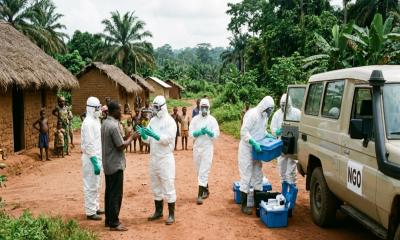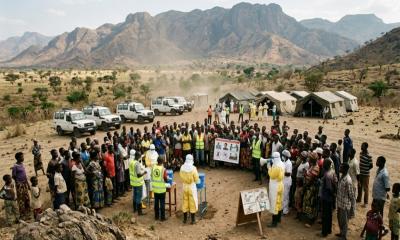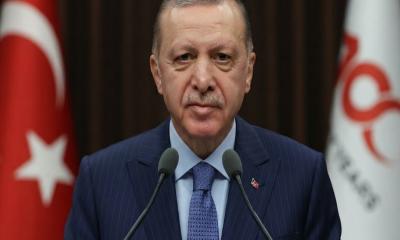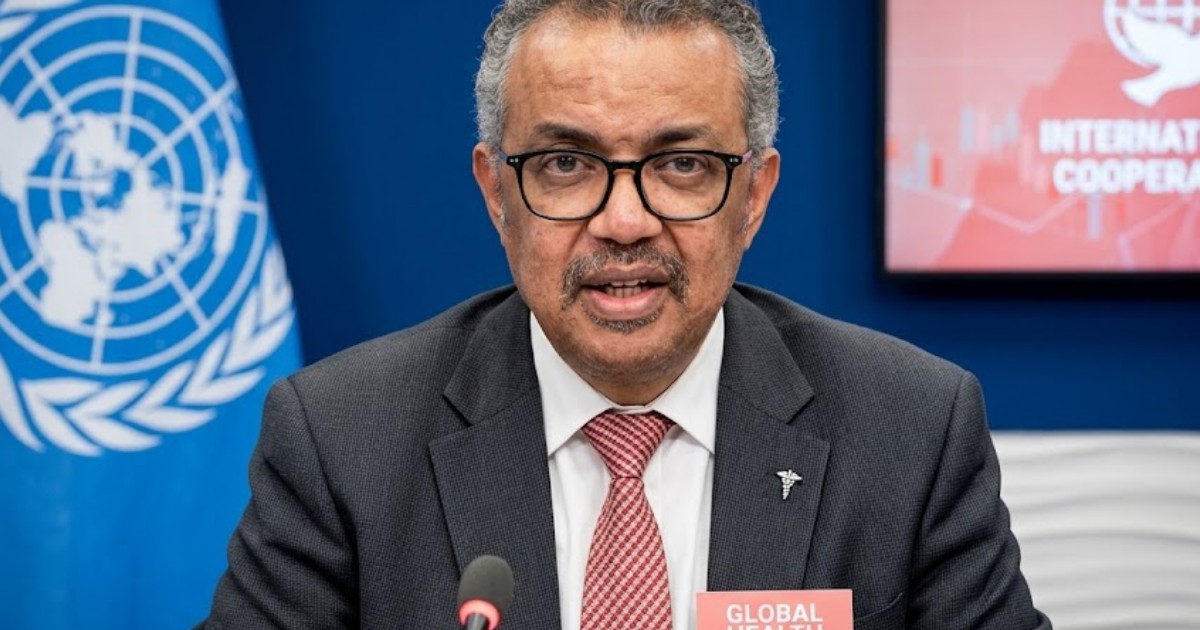
The ongoing Ebola outbreak in the Democratic Republic of Congo is on track to surpass the deadliest outbreak of the disease ever recorded, World Health Organization Director-General Tedros Adhanom Ghebreyesus warned, according to BBC News. Speaking to reporters in Geneva, the WHO chief stated that the 2026 outbreak, at its current pace, would eclipse the devastating 2014 to 2016 occurrence in West Africa, which killed more than 11,000 people. Officially declared on May 15, 2026, the current epidemic in eastern DR Congo has already caused at least 4,300 cases and resulted in more than 2,000 deaths.
Health officials admitted that although the epidemic was formally declared in May, epidemiological investigations indicate the virus began spreading at least three months earlier in February. Speaking at a news conference in the city of Bunia, WHO Africa Director Dr. Mohamed Janabi stated that response teams are struggling to keep up with the rapid spread of the disease. Initial cases were frequently misdiagnosed as malaria or typhoid, allowing the virus to circulate undetected across remote communities before health authorities identified the outbreak.
The current epidemic is caused by the rare Bundibugyo species of Ebola, which has previously triggered only two documented outbreaks in 2007 and 2012. Unlike more common strains of the virus, no approved vaccines or specific therapeutic treatments currently exist to combat the Bundibugyo species. Efforts to contain the spread are further complicated by persistent military conflict and regional instability in eastern DR Congo. According to Dr. Janabi, humanitarian conditions and insecurity mean health workers are currently reaching only about 30 percent of active cases across affected health zones.
Ebola is a severe viral illness transmitted between humans through direct contact with infected bodily fluids, such as blood or vomit. Early symptoms typically manifest between two and 21 days after exposure, presenting as sudden fever, fatigue, and muscle pain that mimic flu or malaria. As the disease advances, patients suffer severe gastrointestinal symptoms leading to internal bleeding and multi-organ failure.
International medical researchers are rushing to develop countermeasures, with the UK Medicines and Healthcare products Regulatory Agency authorizing the first human clinical trials for a candidate vaccine against the Bundibugyo strain. Developed by researchers at the University of Oxford using the same platform technology behind the Oxford-AstraZeneca COVID-19 vaccine, the jab represents a potential breakthrough alongside three other candidate formulas currently in development. What remains unclear is whether clinical trials and international response measures can scale rapidly enough to stem transmission as security obstacles continue to hamper medical access on the ground.