Iran has firmly rejected recent claims by United States President Donald Trump asserting absolute control over the strategic Strait of Hormuz, insisting that the vital waterway remains fully under Iranian management and supervision, according to reports from Al Jazeera and Reuters. The remarks were delivered on Thursday by Hossein Taeb, a senior official and commander of the Basij paramilitary organization under the Islamic Revolutionary Guard Corps, during statements broadcast on state television and highlighted by regional news agencies. The sharp rhetorical exchange underscores escalating tensions in one of the world`s most critical energy chokepoints amid ongoing regional conflicts.
The diplomatic friction flared a day after President Trump took to his social media platform Truth Social to declare that the United States maintained total control over the vital trade corridor, characterizing the American naval presence as an unyielding wall of steel. Trump asserted that Tehran could take no action to challenge American dominance in the region, reflecting a narrative of military superiority promoted by Washington throughout the five-month regional conflict. However, Iranian military and political officials immediately moved to dismantle those assertions, denouncing them as baseless fabrications designed for domestic political consumption.
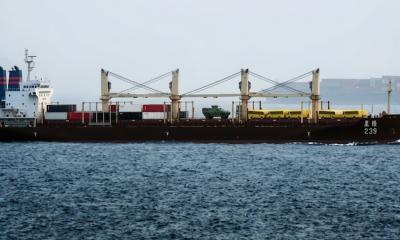
Commander Hossein Taeb emphasized during his address that the Strait of Hormuz continues to operate under the absolute control and management of the Islamic Republic, ensuring complete security for approved national transit while denying unauthorized access. Iranian military spokespersons reinforced this position, stating that no commercial vessel or oil tanker can safely navigate the strait without explicit authorization and supervision from Iranian armed forces. Tehran has maintained a strict regulatory posture over the vital energy conduit since hostilities began, requiring vessels to undergo comprehensive inspection and coordinate transit procedures.
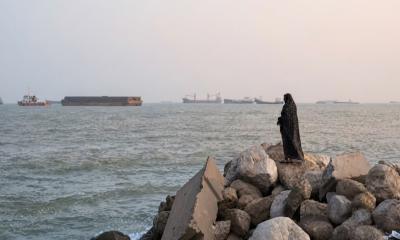
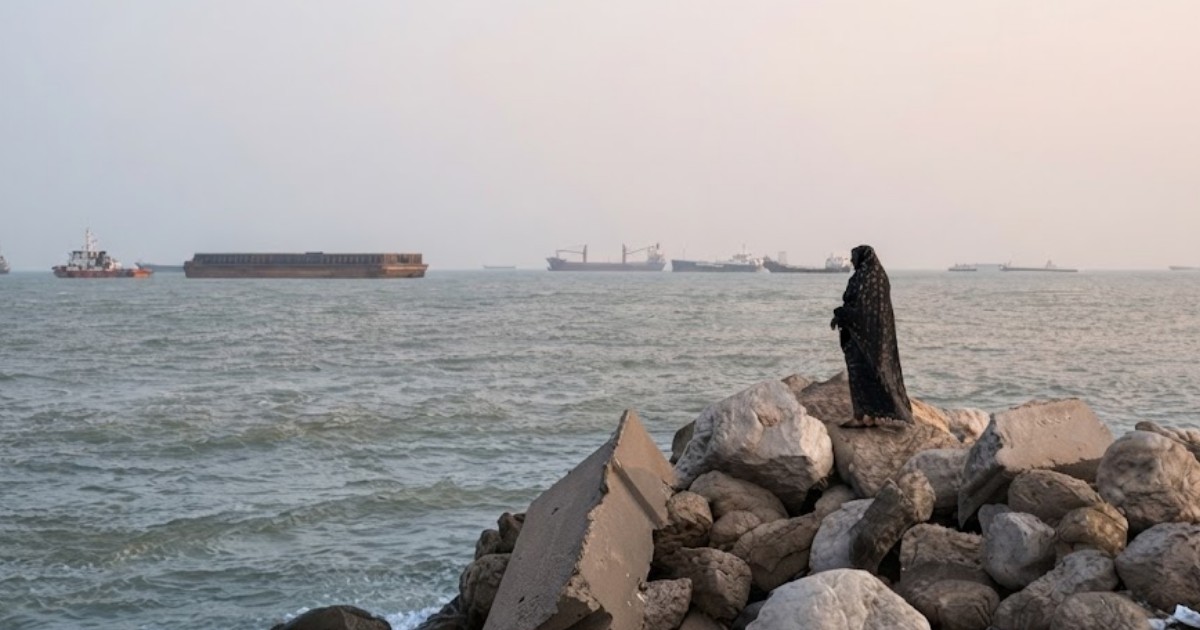
The Strait of Hormuz is internationally recognized as a critical artery for global petroleum trade, carrying nearly twenty percent of worldwide crude oil consumption. Disruptions or security standoffs within this narrow maritime passage historically trigger immediate volatility in international energy markets, threatening global economic stability. International shipping organizations and commercial carriers have expressed persistent alarm over the rising frequency of security incidents, naval patrols, and competing territorial claims across the Persian Gulf and the Gulf of Oman.
Diplomatic analysts note that the conflicting declarations highlight the deep chasm between Washington and Tehran regarding regional sovereignty and freedom of navigation. While the United States and its allies maintain robust naval deployments to safeguard commercial shipping lanes, Iran insists that security arrangements must account for its national interests and regional standing. Indirect negotiations aimed at resolving broader maritime security disputes and securing a sustainable cease-fire have experienced repeated delays and diplomatic hurdles, leaving the waterway in a precarious state.
What remains unclear is whether diplomatic channels can successfully bridge these fundamental disagreements before maritime security deteriorates further into active armed confrontation. Commercial operators continue to navigate the high-risk waters under stringent security protocols, constantly adapting routes to mitigate potential hazards. As regional powers reinforce their military and political stances, the international community watches closely, recognizing that stability in the Strait of Hormuz remains indispensable for global economic health and regional peace.